



Start with the job, not the product
Every signage or plastic part starts with a simple question: what must it do every day? A shop fascia needs visibility from the road, a safety sign must be easy to read at a glance, and a machine part must hold its shape under load, heat or chemical contact. When you know the job, it becomes easier to choose the right size, thickness, finish and fixing method.
For buyers in Cape Town and the west coast areas, local conditions matter. Coastal humidity, sun exposure and wind can change the way a sign wears, and load-shedding can affect illuminated work if the supply is not planned properly. A good guide should help you think through those points before production starts.
Choosing between sign types for your site
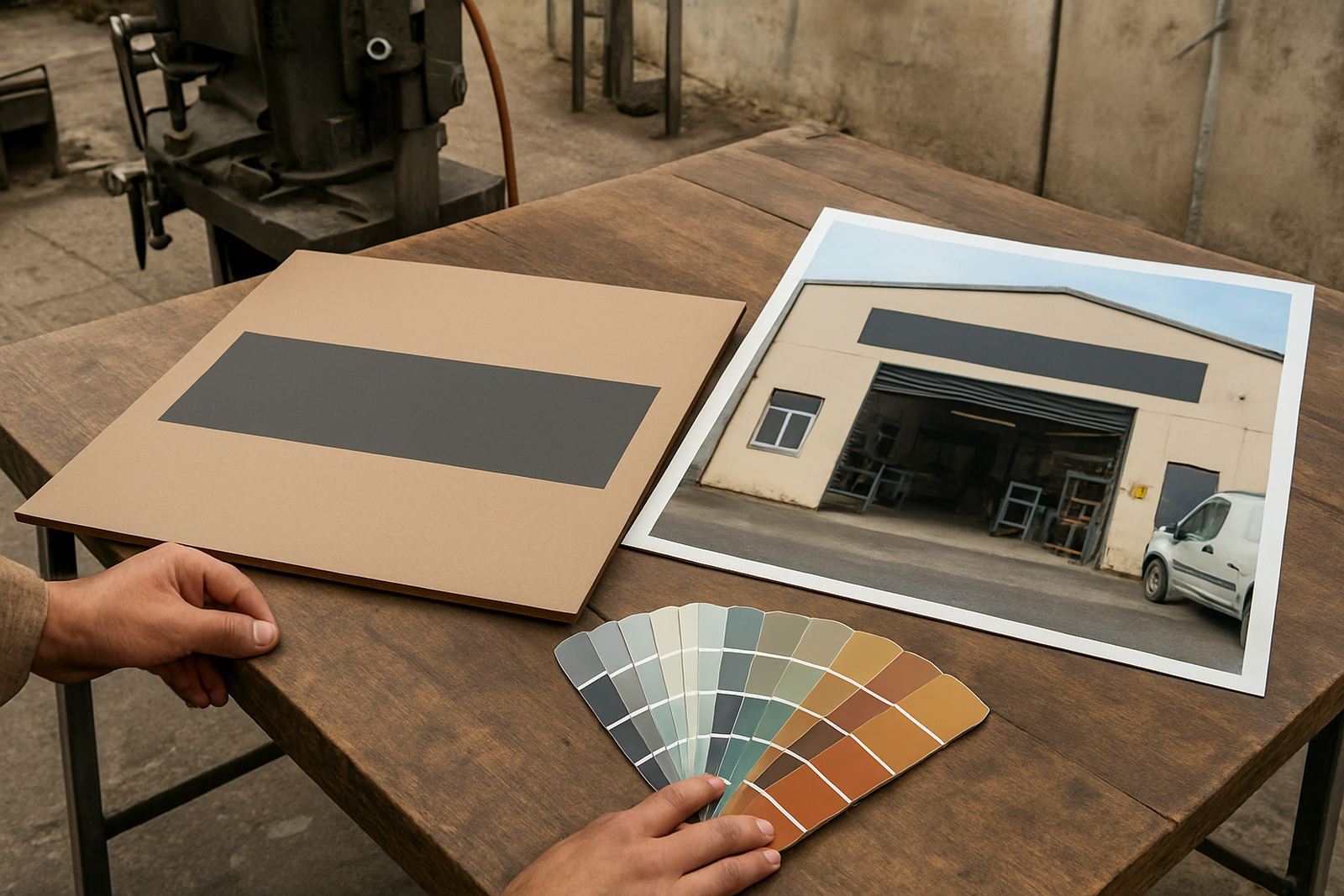
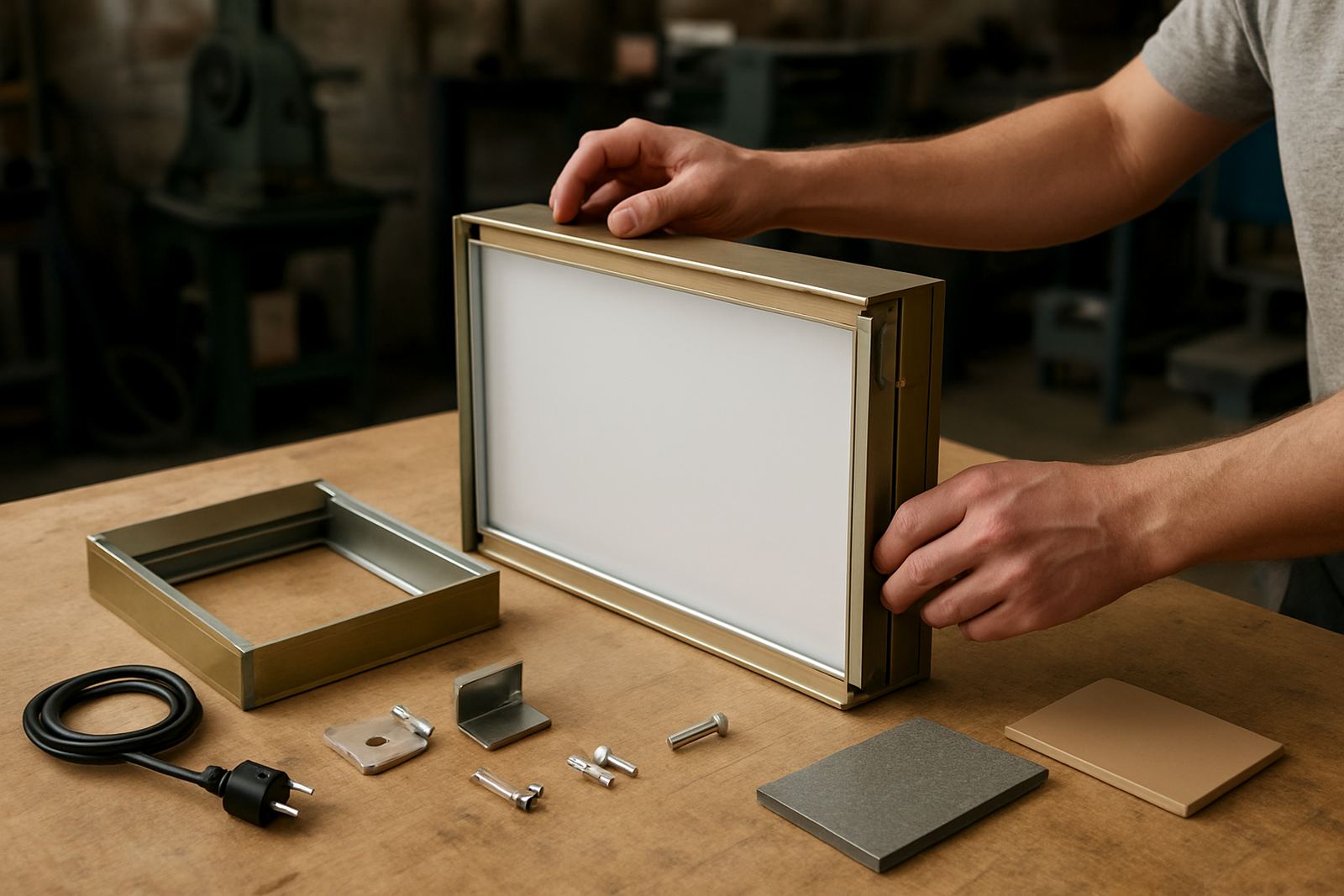
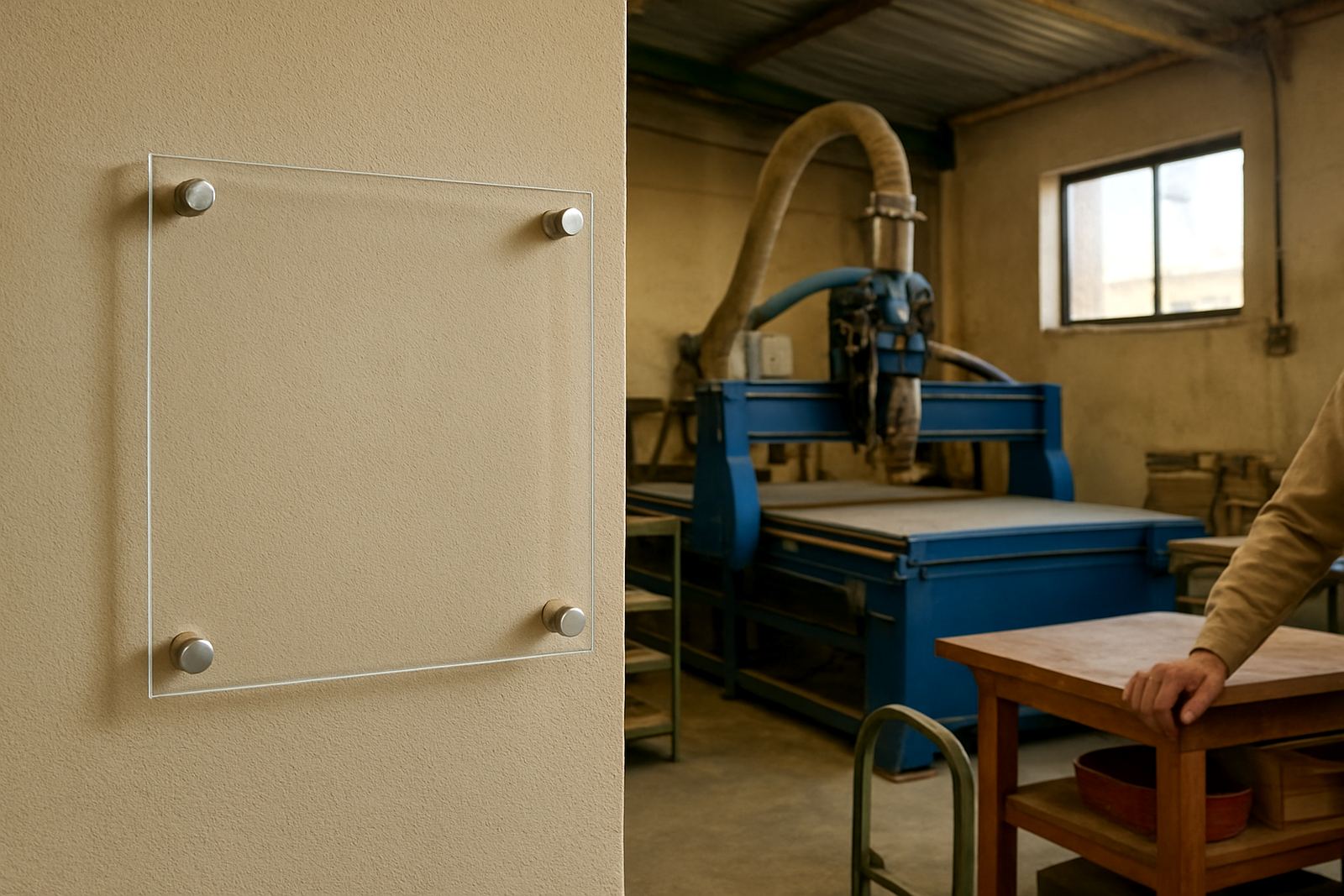
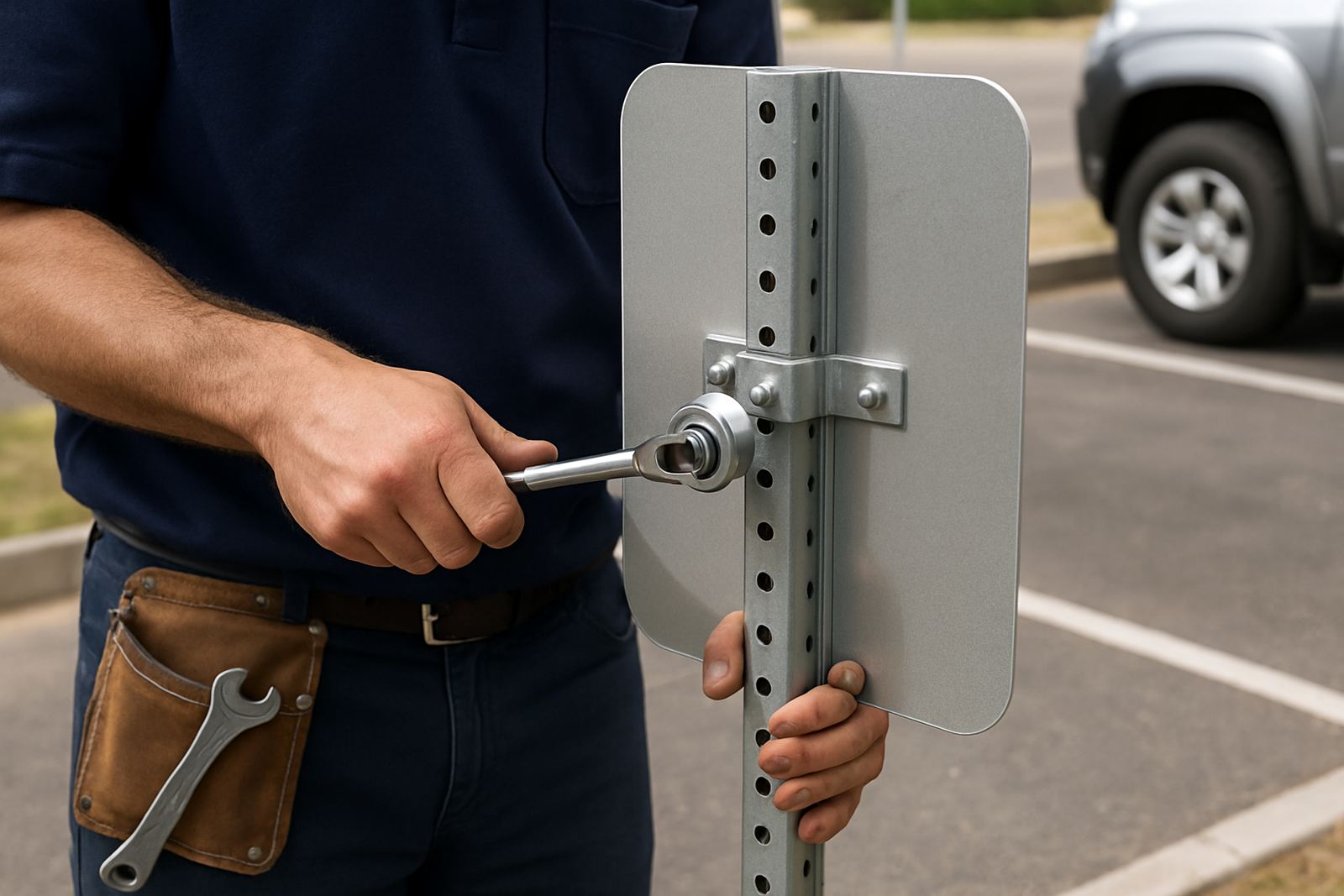
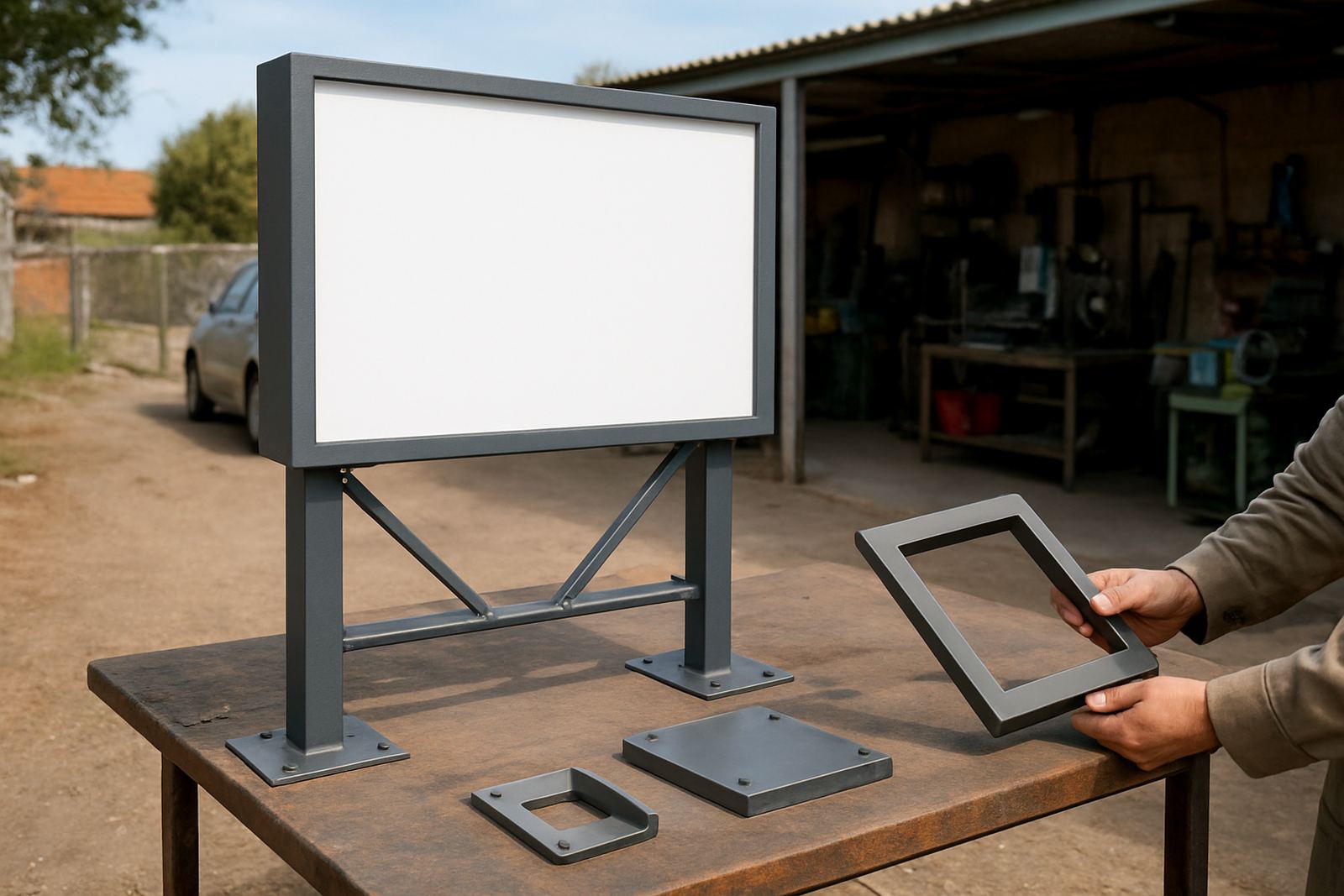
Not every business needs the same kind of sign. A retail frontage may suit a flat panel sign, while a service yard may need directional boards, safety signage or a light box that stays visible after dark. If you are fitting out a building, think about how far people will be reading the message and whether the sign will be seen by pedestrians, drivers or both.
- Flat signs work well for clear branding and basic wayfinding.
- Light boxes suit trading hours that extend into the evening.
- Safety signs are important where access control, machinery or restricted areas apply.
- Internal signs must stay legible under indoor lighting and from a short viewing distance.
What to know before ordering vehicle branding
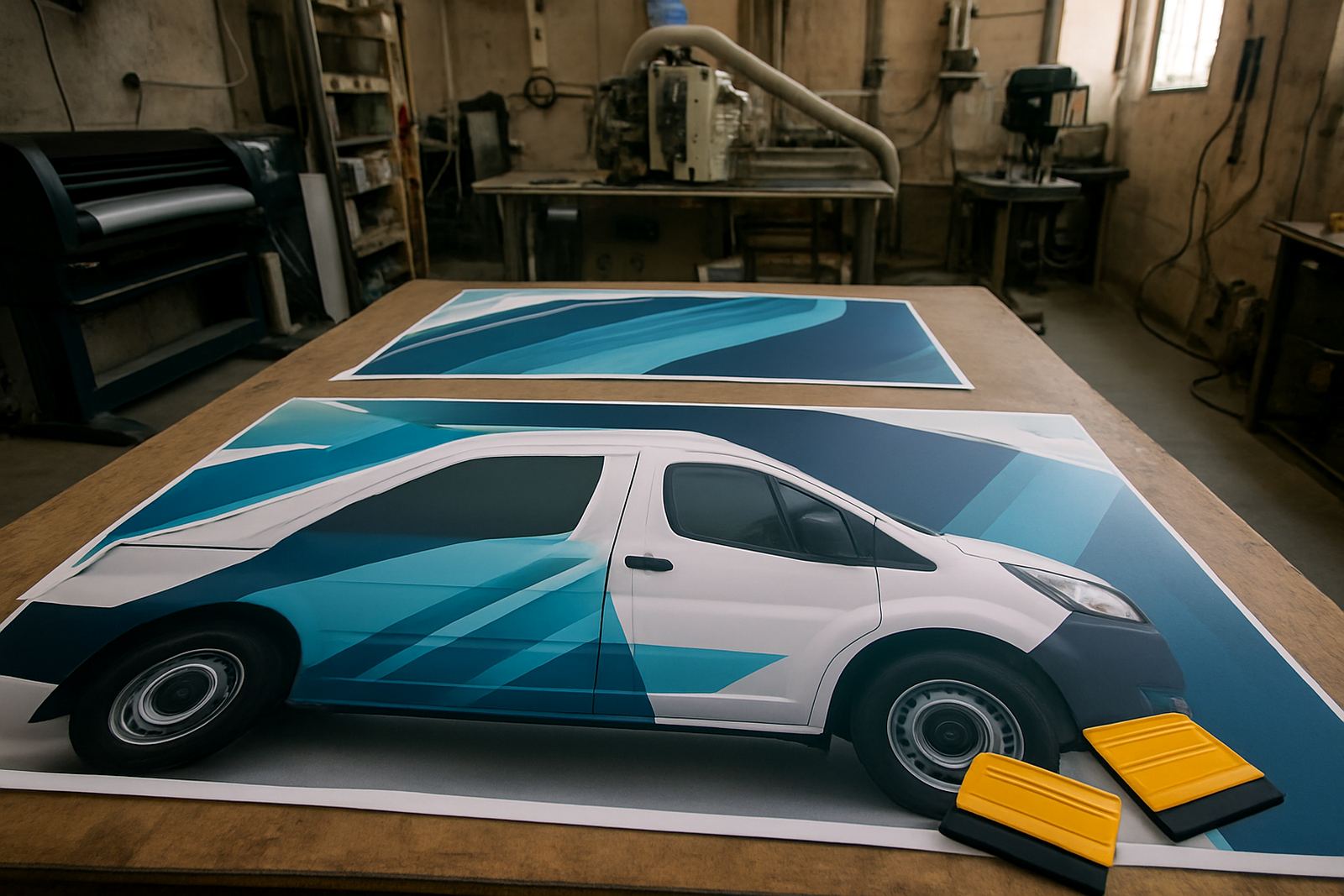
Vehicle branding should match how the vehicle is used. A delivery bakkie that stops often needs durable graphics that can handle washing and daily contact. A fleet vehicle travelling across Cape Town and the Northern Suburbs may need a simpler layout that reads clearly at speed. The surface condition of the panels, the curve of the bodywork and any existing scratches all affect the finished result.
It also helps to decide how much of the vehicle must be covered. Some clients prefer door logos and contact details only, while others want full wraps for a stronger visual impact. If the vehicle is leased, check the permission rules first so there are no issues at handover.
Selecting engineering plastics for workshop and site use
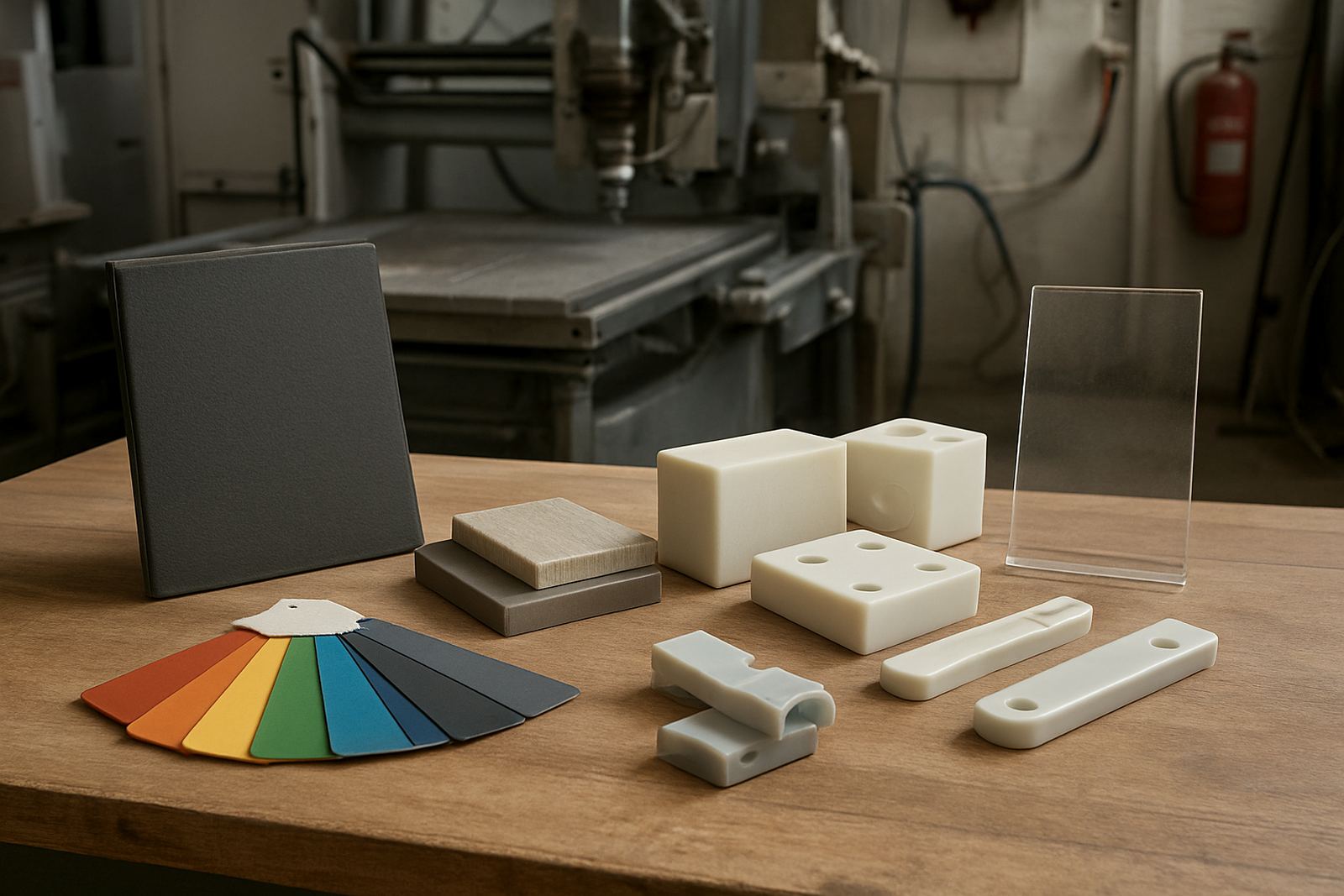
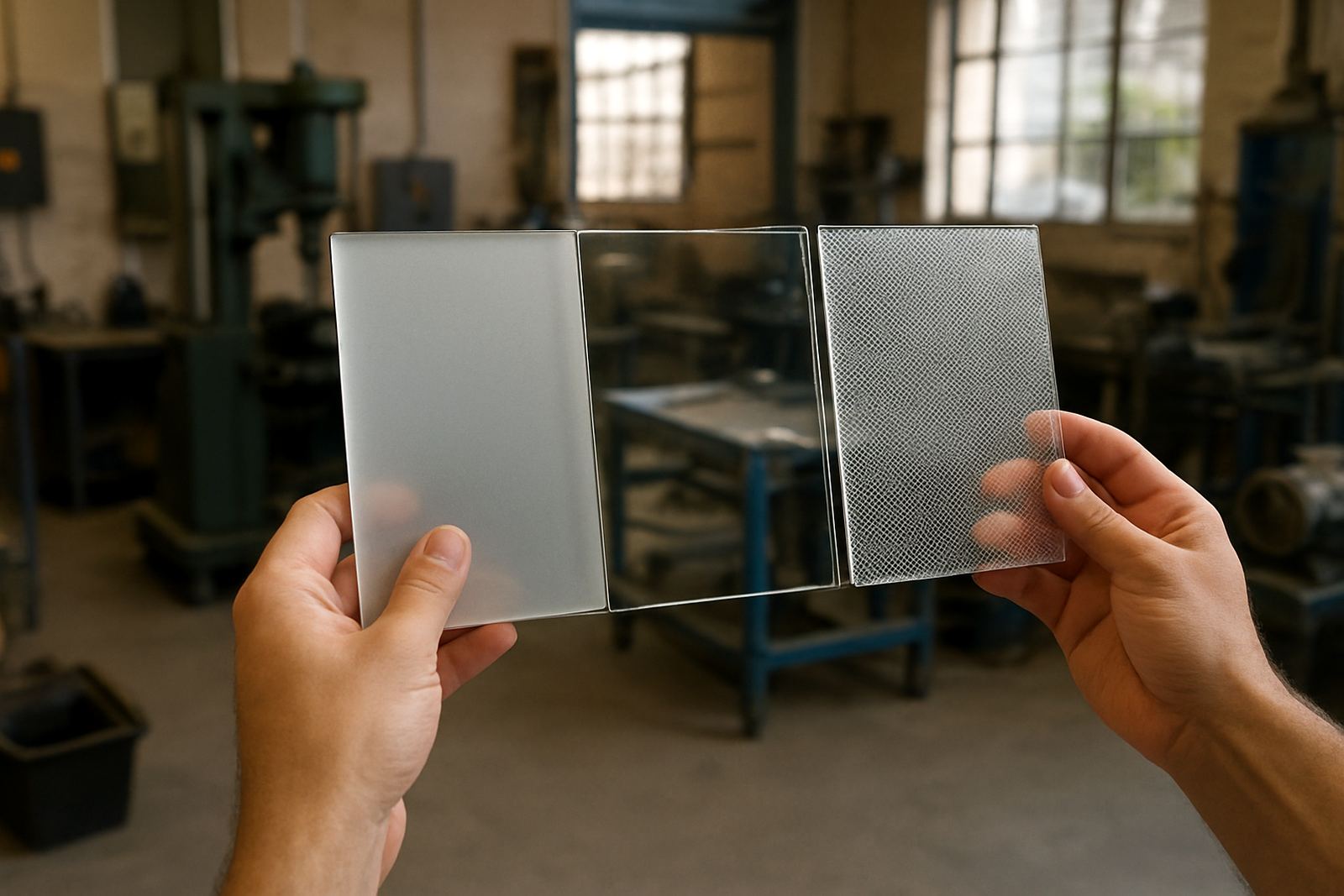
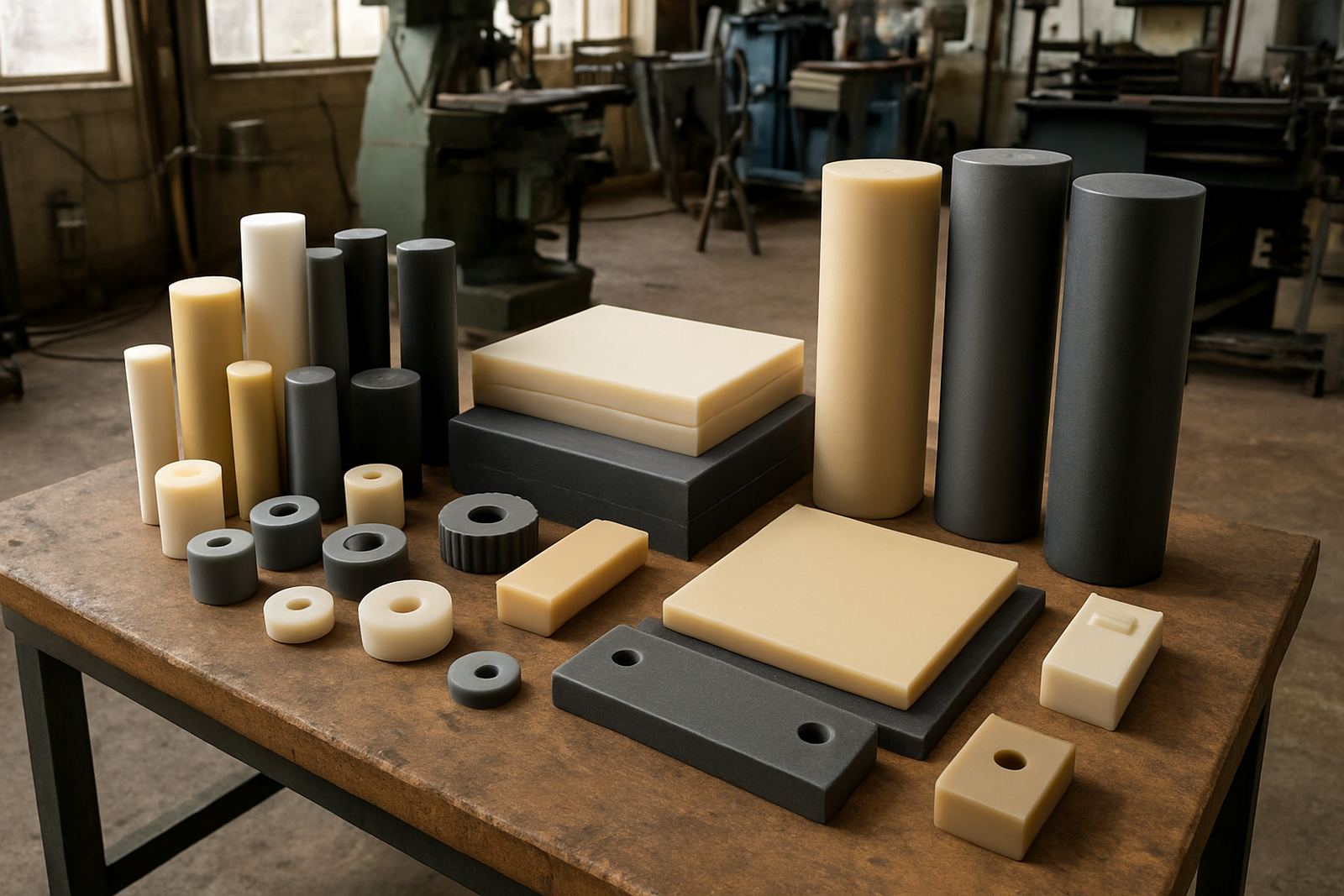
Engineering plastics are often chosen because they can be cut to size, machined accurately and used in places where timber or metal may not be the best fit. Buyers usually need to consider thickness, stiffness, wear resistance and whether the part will be exposed to moisture, oils or repeated movement. For parts used in workshops, production areas or retail fit-outs, accurate dimensions matter as much as the material itself.
- Thicker material is better where a part must resist flexing.
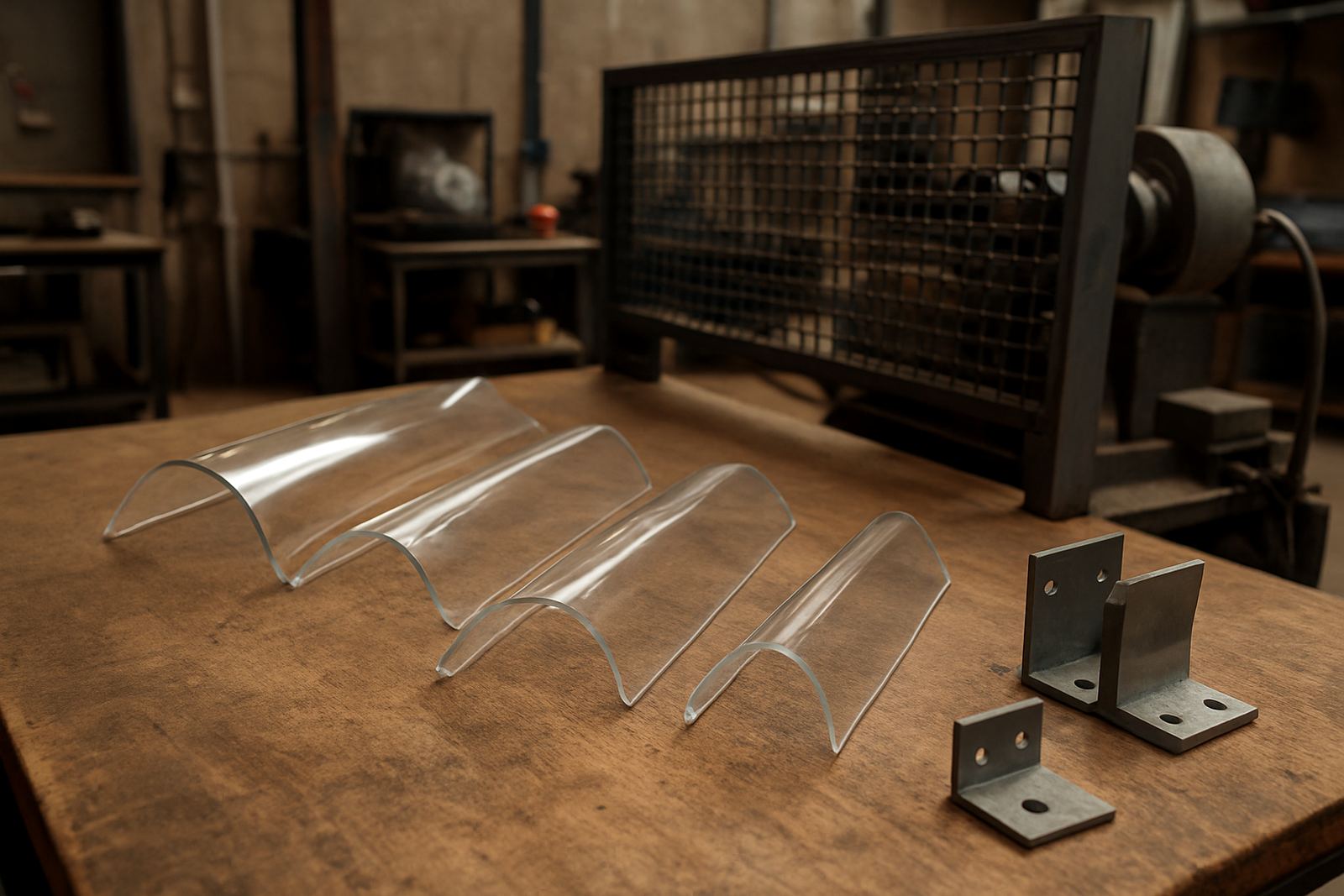
- Clear material may be useful where visibility is needed through a panel.
- Urethane, acrylic and similar materials each behave differently under cutting and engraving.
- Allow for fixing holes, edge finish and any tolerance needed for assembly.
How to compare quotes properly
A fair quote should show more than a total price. It should explain what is included, such as design work, material, fabrication, installation and any maintenance needed later. If two prices look very different, check whether the thickness, fixing method or installation scope is not the real reason for the gap. Cheaper is not always better when the sign has to survive wind, sun and regular cleaning.
Ask whether the quoted price includes site measurement, mounting hardware and labour for installation in areas like Table View, Milnerton or Paarden Eiland. If not, you may end up comparing apples with oranges and that makes budgeting harder.
What to prepare before you ask for a quote
A clear brief saves time and reduces rework. It helps to send the approximate size, where the item will be used, what it must say and any artwork you already have. If you need a replacement part or a sign for a specific wall, door or vehicle, photos are useful too. The more practical detail you give, the better the advice you will get back.
- Measurements in millimetres or metres
- Indoor or outdoor location
- Any colour requirements or branding rules
- Preferred installation date
- Site photos or a rough sketch