Start with the job, not just the sheet
Before you pick a sheet, decide what the part must do. A small indoor label, a shop sign face, a machine guard and a decorative panel all need different material grades and thicknesses. In coastal areas like Table View and Blouberg, humidity and salt in the air can affect how a finished edge looks over time, so the application matters as much as the size.
For signage and display work, acrylic is often chosen because it gives a clean finish and can be cut accurately. For technical parts, the same sheet may need tighter tolerances, cleaner corners and better impact resistance. If the part will be drilled, engraved, routed or bonded, the cut quality and thickness must match the way it will be used.
- Indoor label or cover: lighter sheet, often 2 mm to 3 mm
- Sign face or light box panel: often 3 mm to 5 mm
- Machine cover or guard: usually 5 mm and above, depending on span
- Custom cut part: thickness should suit fixings, load and edge finish
Choosing the right thickness for strength and finish
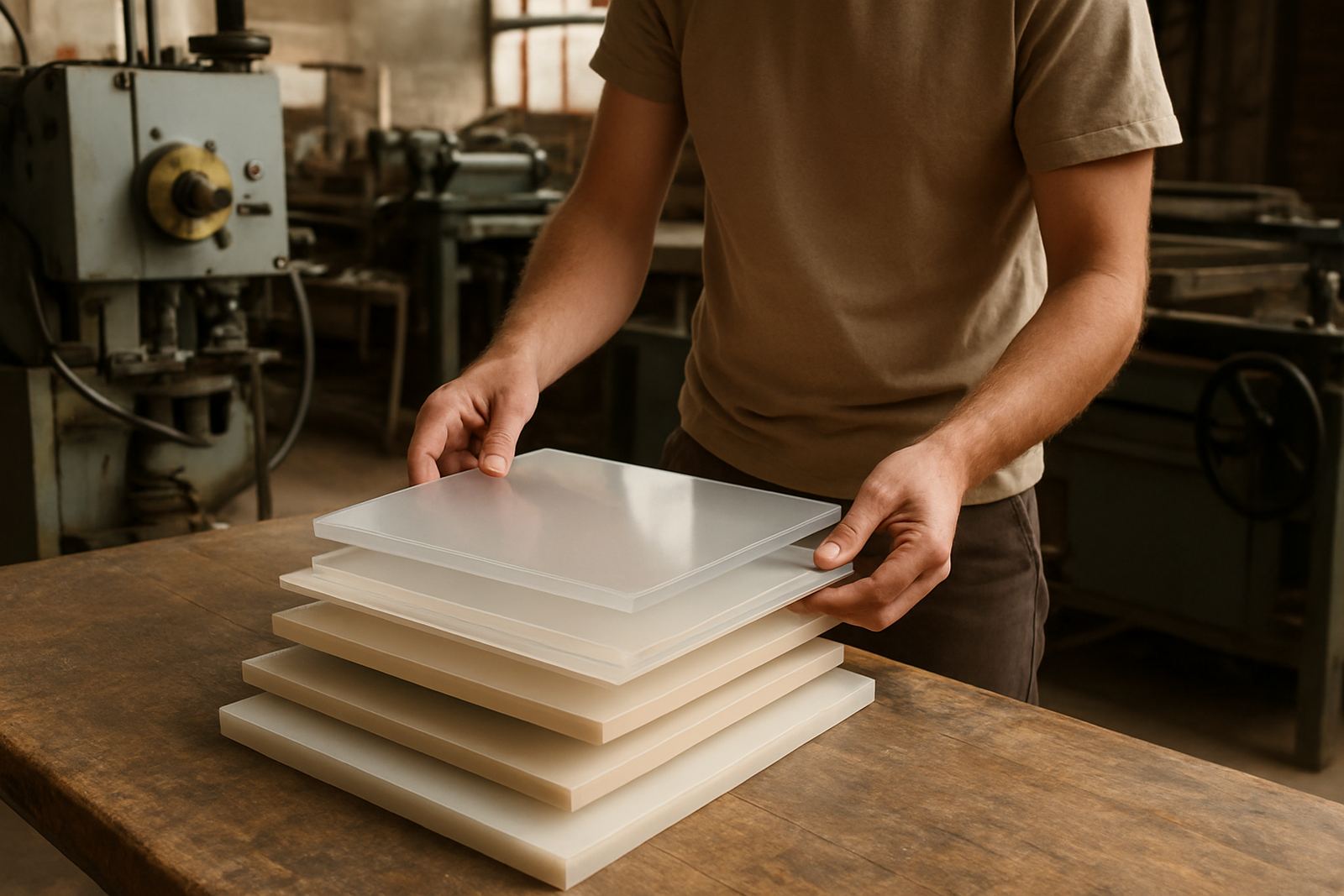
Thickness is not only about strength. It also affects how the sheet sits in a frame, how it bends, and whether it stays flat in warm sun. A thin sheet can look neat on a small indoor panel, but it may flex too much on a larger sign. A thicker sheet gives more stiffness, though it can cost more and may need stronger fixings or deeper rebates.
As a simple rule, longer spans need more thickness or more support. If a sign face is going into a light box, the frame depth, heat from the lighting and the fixing method should all be checked before cutting. In a workshop setting we also look at transport and installation, because a large sheet that is too thin can crack at the corners on the way to site.
- 2 mm to 3 mm: good for small indoor items and light covers
- 4 mm to 5 mm: common for signage faces and general panels
- 6 mm to 10 mm: better for structural uses, guards and heavier wear
- Ask for extra allowance if the part will be drilled near an edge
Surface finish: clear, tinted or opaque
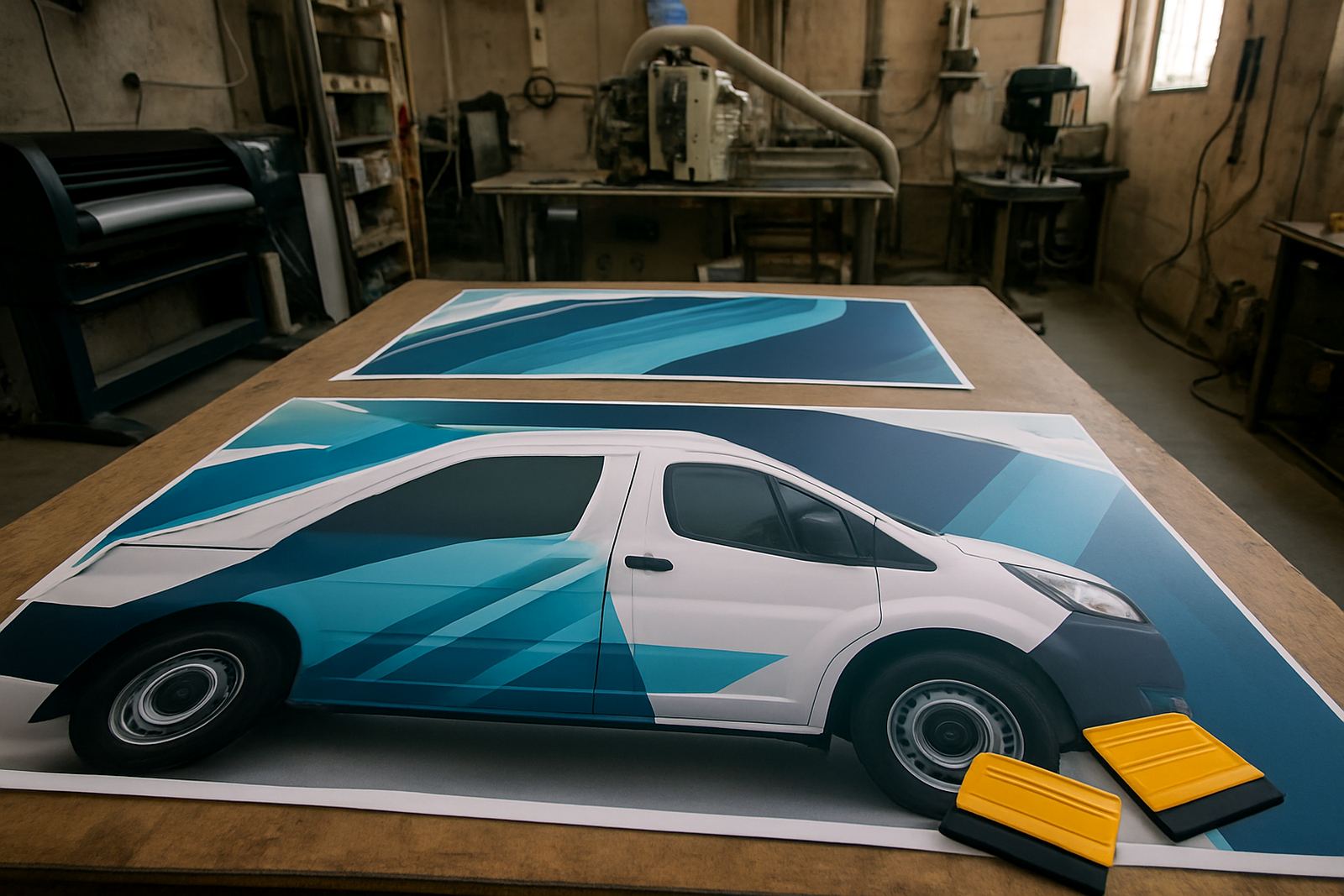
The finish changes both the look and the function. Clear acrylic is used where visibility matters, such as display covers, windows in enclosures or protective screens. Tinted sheets reduce glare and can improve the appearance of a sign or panel. Opaque colours are better when you need privacy, clean branding or a solid backer for printed graphics.
For outdoor use around Cape Town, glare can be a real issue on west facing walls and shopfronts. A gloss face may look sharp in the workshop but reflect too much light on site. If the part is being engraved or used for layered signage, a contrasting finish can make the lettering easier to read at a distance. Matte finishes can also hide minor handling marks better than a high gloss surface.
- Clear finish: best for viewing through the sheet
- Tinted finish: useful for glare control and visual separation
- Opaque finish: strong for branding and privacy
- Matte finish: helps reduce fingerprints and reflections
What good cut quality looks like
Cut quality is easy to miss until the part is installed. A clean cut should have smooth edges, accurate corners and no heavy chipping. On routed parts, the tool path should be neat and consistent. On engraved work, the detail should be sharp enough to read without rough edges around the letters. If the sheet is going to be joined, the edge finish can affect bonding and alignment.
For CNC cutting, the setup matters just as much as the machine. Correct feed rates, the right tool and proper clamping reduce breakout and help keep dimensions consistent. This is important when parts need to fit into aluminium frames, sign channels or custom housings. A small error of even 1 mm can cause trouble on site, especially when several pieces must line up exactly.
- Check edge smoothness by looking at the cut under strong light
- Confirm hole positions and corner radii before production
- Ask for protective film to stay on until installation where possible
- For visible parts, request a sample edge or test cut if the finish is critical
When acrylic needs extra support or protection
Some jobs need more than a standard sheet. If the part will sit in direct sun, near vehicle traffic, or in an area with regular cleaning, it may need thicker material or a protective detail around the edges. In coastal and industrial areas like Montague Gardens, Paarden Eiland and Milnerton, dust and moisture can also work into open edges if the design is not finished properly.
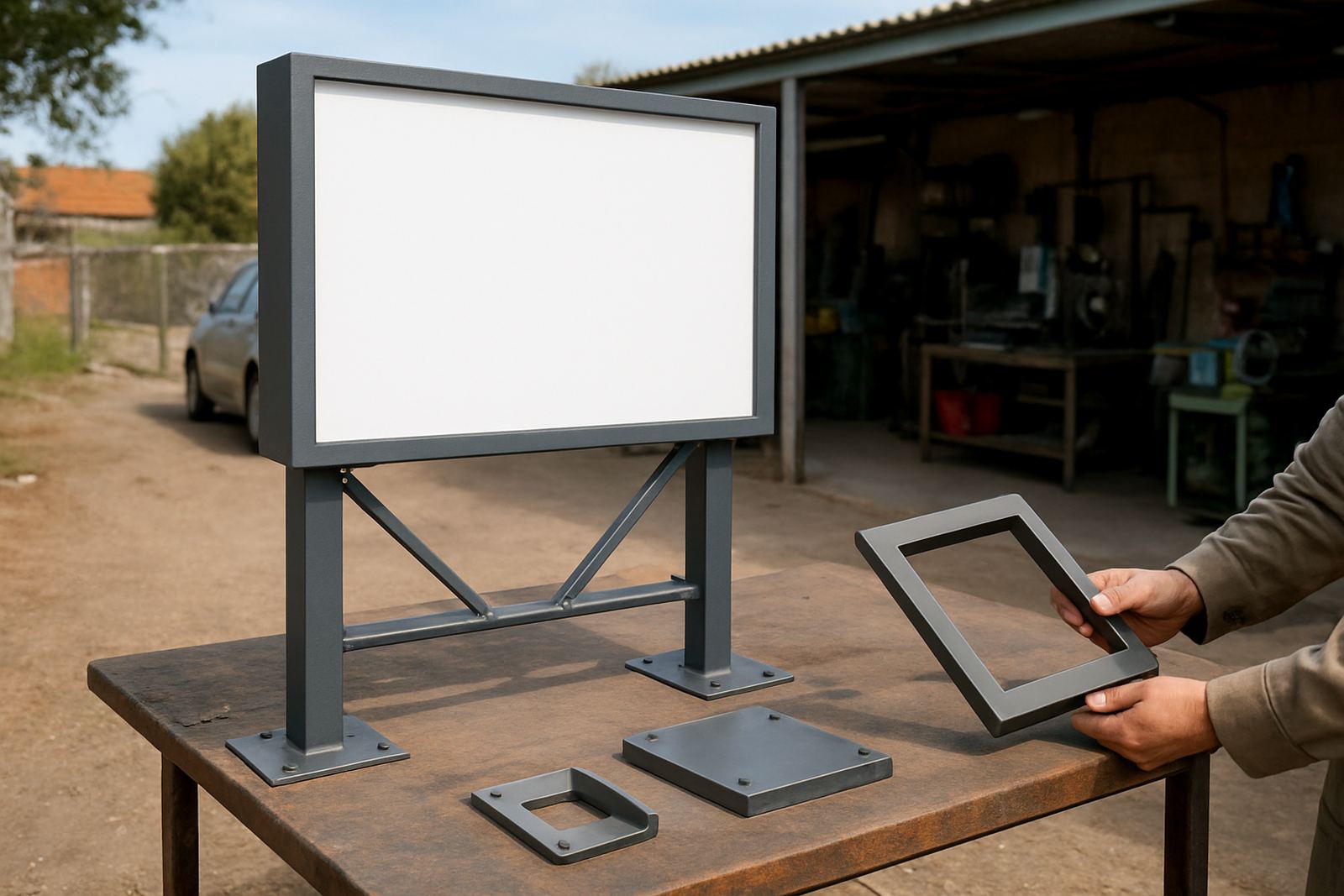
Support brackets, standoffs, rebates and sealed edges all help the sheet last longer. For safety signage, the mounting method should not cover important wording or reduce visibility. For light boxes, the sheet must allow the light to spread evenly without hot spots. A part that looks fine on a bench can still fail if the frame is too tight or the fixing points are under strain.
- Use edge support on wide spans
- Allow for thermal movement in warm weather
- Keep drill holes clear of tension points
- Seal or protect exposed edges where needed
A practical checklist before you order cut acrylic
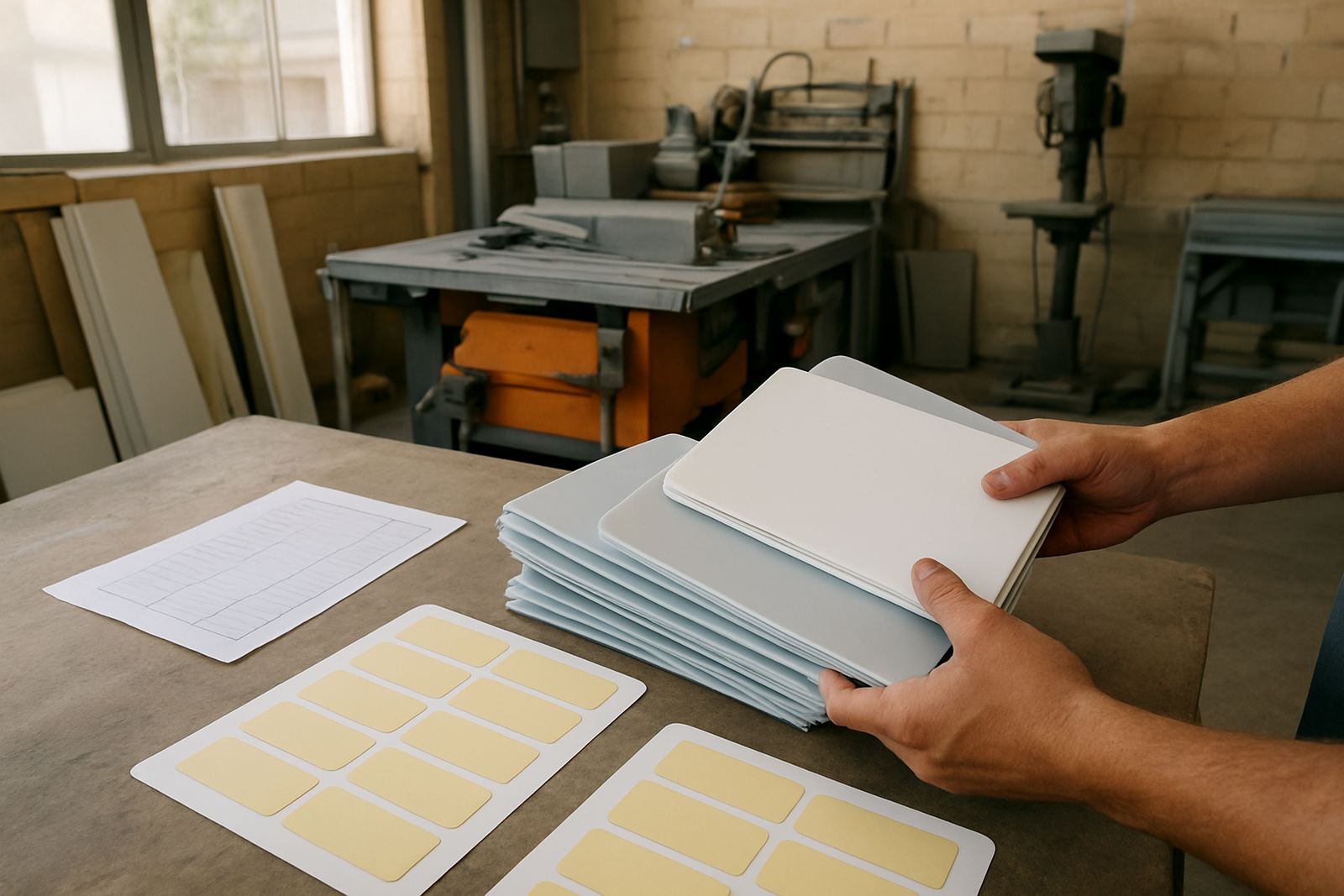
A clear brief saves time and reduces waste. Measure the finished size, confirm the thickness, and note whether the sheet is for indoor or outdoor use. If the part needs engraving, routing or bonding, tell the workshop early so the cut plan can allow for tool size, corner detail and fixing space. It is also worth checking whether the item must meet any site rules, especially in public areas or commercial buildings.
At Blouberg Signz & Engineering, we handle signage manufacture, CNC routing, plastic machining and cut-to-size parts for businesses across Table View, Blouberg, Parklands, Durbanville and Cape Town. That means the sheet choice can be matched to the job from the start, rather than being adjusted after the first cut. A few minutes of planning can save a second run through the machine and a lot of site rework.
- Confirm exact dimensions in millimetres
- State the use: signage, guard, cover, display or structural part
- Choose finish: clear, tinted, opaque or matte
- Confirm whether the cut must be polished, engraved or drilled
- Check how the part will be fixed on site
- Allow for sun, moisture and handling during installation
Signs your acrylic spec needs revising
If a sheet keeps cracking at the corners, bowing in the sun or showing tool marks after cutting, the specification may be off. That can mean the sheet is too thin, the cut path is too aggressive, or the finish is not suited to the job. On some projects the answer is a thicker sheet; on others it is better support, cleaner routing or a different finish altogether.
When in doubt, recheck the brief against the real site conditions. A retail panel in Durbanville does not face the same wear as a workshop divider in Montague Gardens. The right acrylic choice should balance appearance, strength and cost without over specifying the job.