Start With the Final Use of the Part
The first thing we need to know is what the part will do. A display panel, machine guard, splash shield, stencil or cover plate may all look similar on paper but need different plastic grades and thicknesses. If the sheet is going outdoors in Table View or Blouberg, we also need to know about sun exposure, wind and salt air, because that affects material choice and edge finishing.
Tell us if the item must stand up to impact, light heat, cleaning chemicals or regular handling. If it is for a food area, workshop, office fit out or marine related use, say so in the notes. That helps us advise on a suitable sheet before anything is cut.
- What the part is for
- Where it will be used indoors or outdoors
- Any heat, moisture or chemical exposure
- Whether it will be handled often
Give Us Accurate Measurements in Millimetres
Please send the finished size you need in millimetres. If you are replacing an existing piece, measure the old part and confirm whether you want the same size or a small adjustment for fit. A difference of 1 or 2 mm can matter on snug panels and inserts.
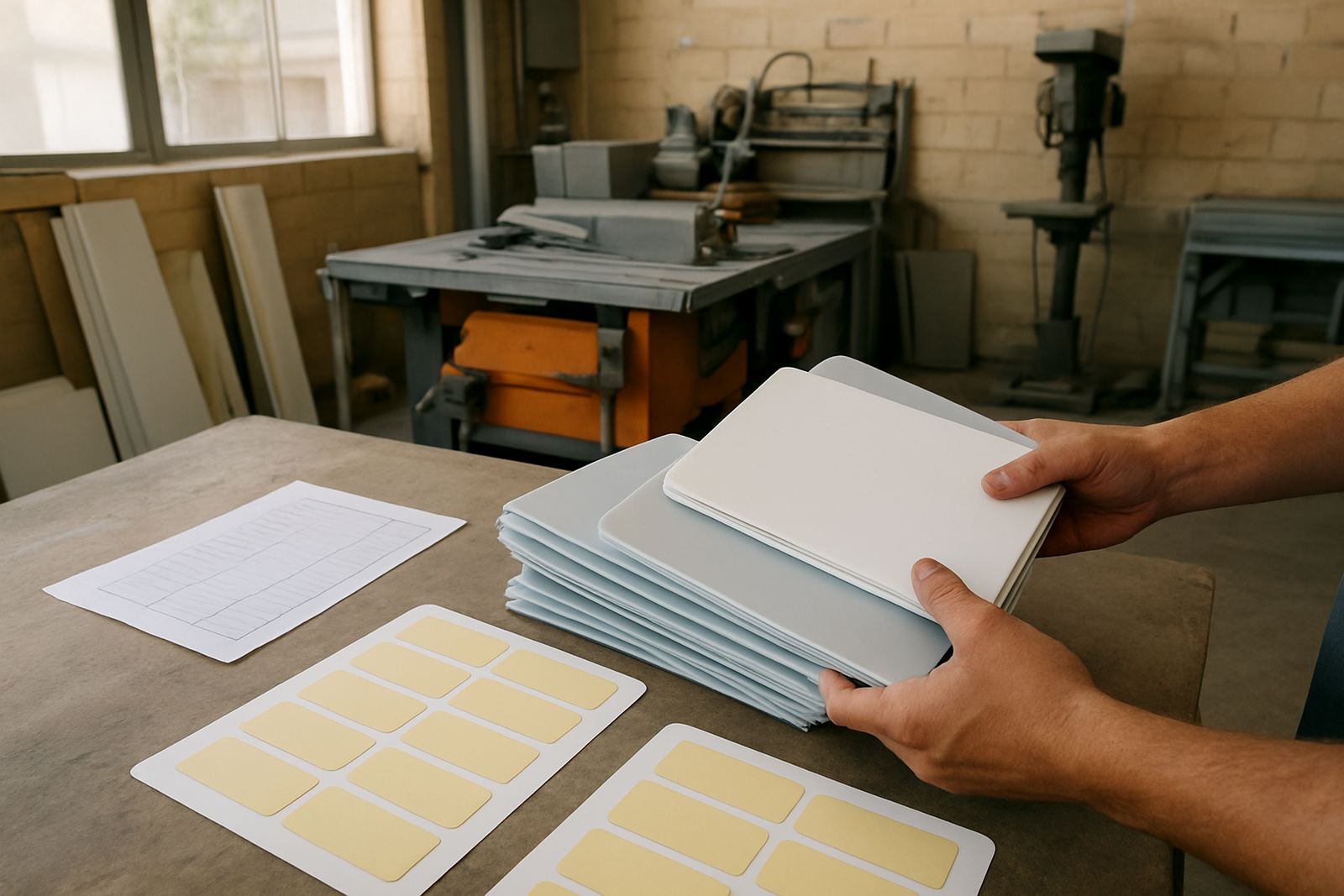
For shaped items include the overall length, width and any cut-outs, corners or holes. If possible, add a simple sketch or marked photo. We can work from clear notes, and it saves time on back and forth messages. When the job is for a cabinet, machine face or sign component, mention if the opening is square, slightly out or needs allowance for fixing strips.
- Length, width and thickness in mm
- Hole sizes and hole positions
- Radius corners or straight corners
- Any allowance needed for fitting
Choose the Right Plastic Type and Thickness
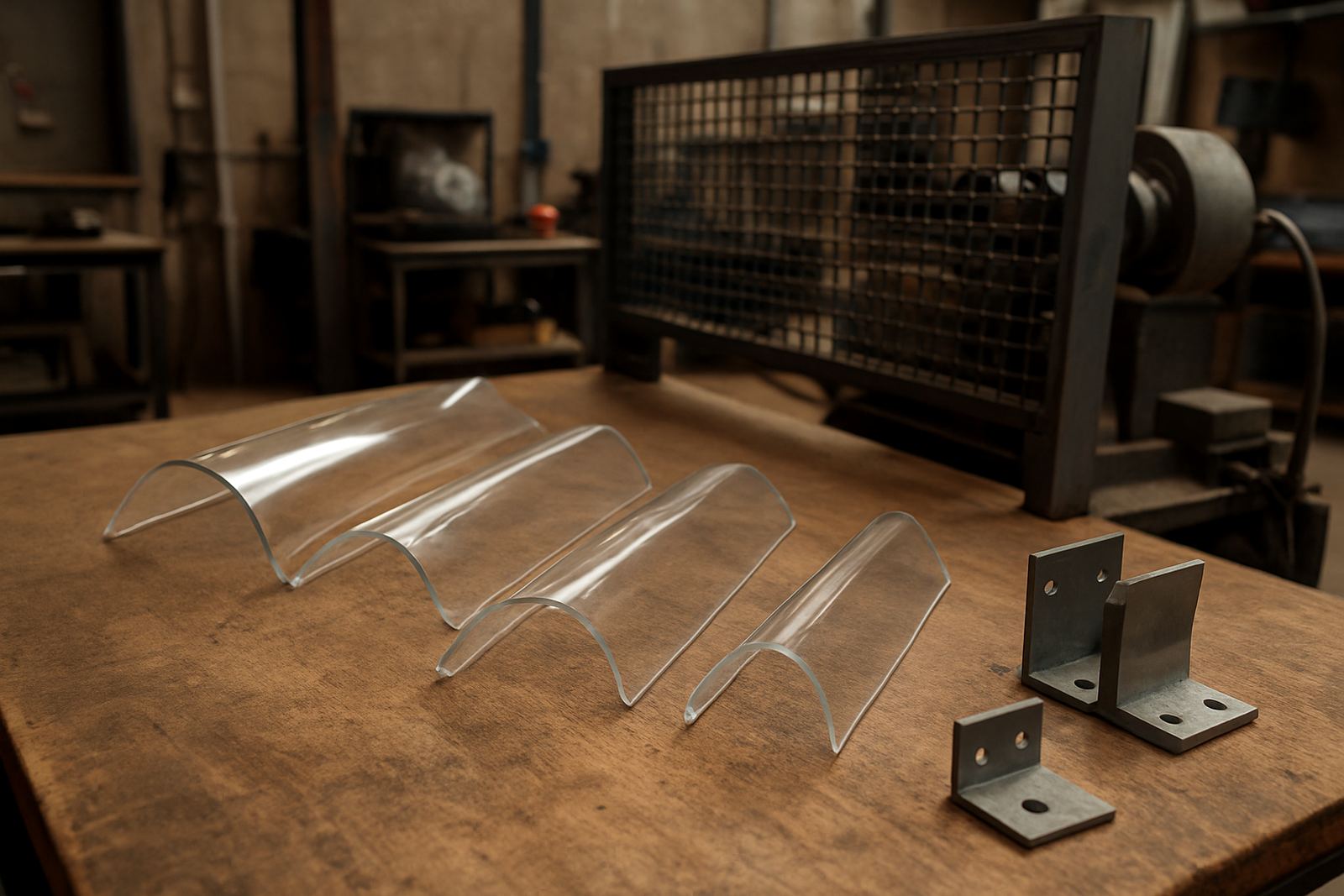
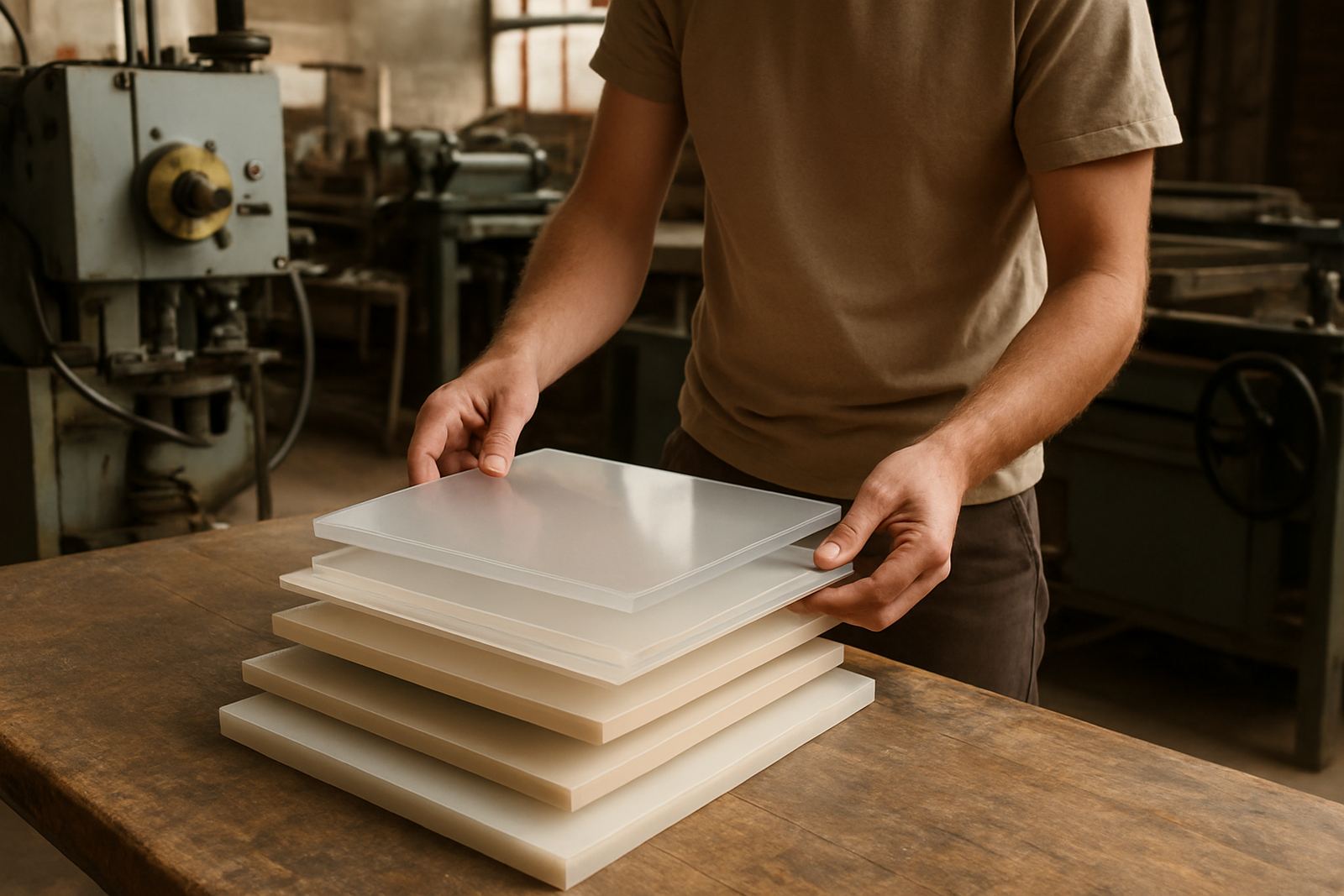
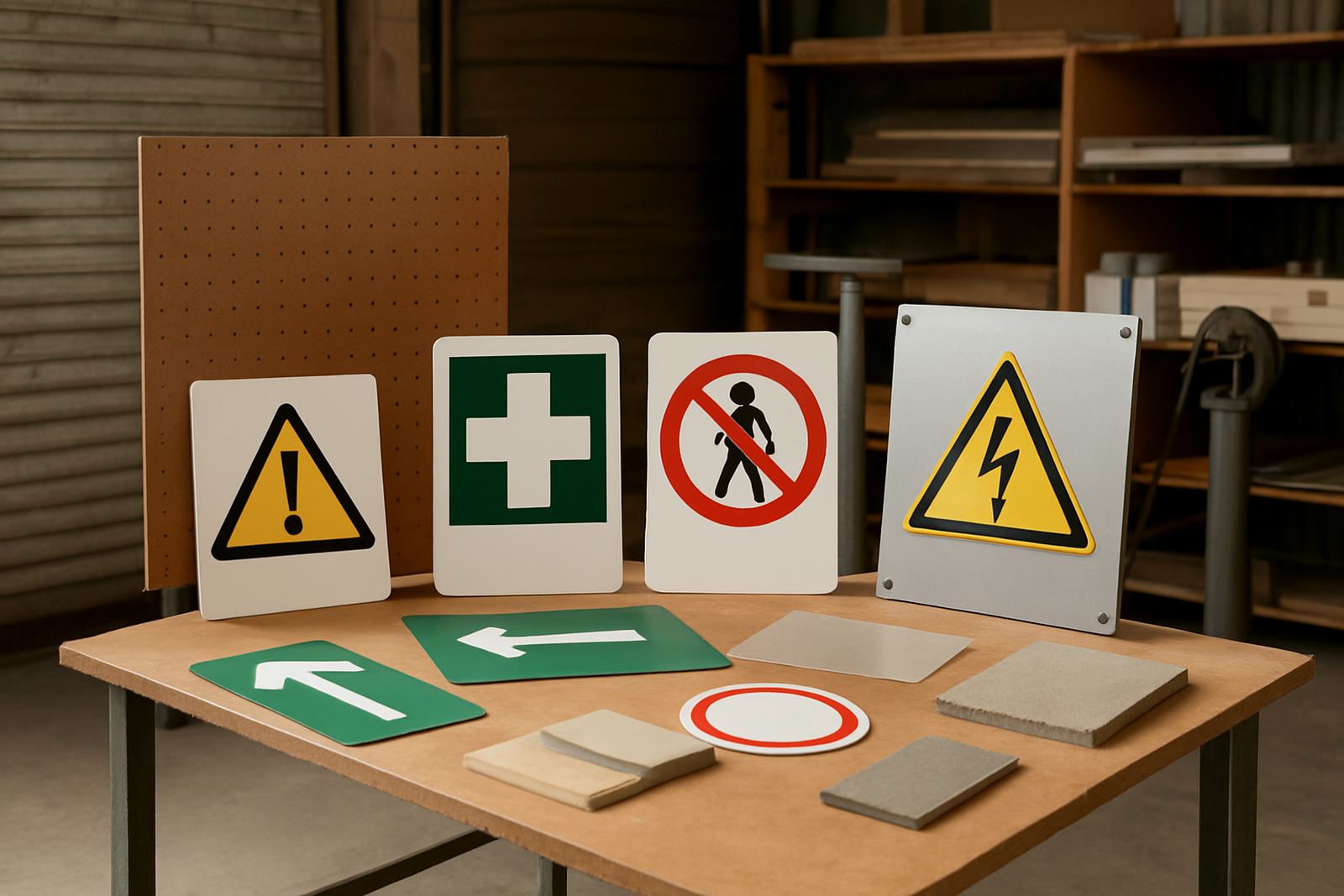
Different plastics suit different jobs. We supply and machine a range of engineering plastics and sheet materials, so it helps when you already know the type, but if not we can guide you from the application. Clear sheet is often used for viewing panels and guards, while coloured or opaque sheet is common for covers, dividers and signage parts. Some grades are better for wear, others for impact or moisture resistance.
Thickness matters just as much as material. A thin sheet may flex too much under load, while an unnecessarily thick sheet can add cost and weight. If you are unsure, tell us what the part must support and we will advise. In coastal areas like Milnerton and Paarden Eiland, material selection can also help with long term stability where there is humidity and regular cleaning.
It is also useful to say whether you need clear, frosted, black, white or a specific colour. If colour matching is important, include that in your enquiry so we can check availability before cutting.
Mark Any Holes, Cut-Outs and Edge Details
If the sheet needs holes, slots, recesses or internal cut-outs, please mark them clearly. This is especially important for mounting plates, machine panels and guards where fixings must line up properly. A rough sketch with measurements is often enough when the dimensions are clear.
Let us know if the edges need to be polished, rounded, chamfered or left as a clean machine cut. For some jobs, a smooth finish is preferred for safety or appearance. For others, a neat cut edge is fine and keeps costs lower. If the part must fit into a track, frame or channel, mention that too so we can allow for the correct clearance.
- Number of holes or cut-outs
- Distance from edges to centres
- Whether edges must be smooth or left cut
- Any tight fit, channel or frame details
Send Clear Reference Photos or a Sketch
A photo of the old part, the opening it fits into or the equipment it belongs to can make a big difference. Good photos help us see corner shape, fixings and surface condition. If you are sending a sketch, keep it simple but complete. Include units, arrows and labels for holes or sides.
If you are not able to measure everything yourself, a photo with a tape measure in frame can still be useful. We work with businesses across Table View, Parklands, Durbanville and Cape Town, so clear reference material helps keep the process efficient even when the site is busy or the job is part of a larger shutdown. The more detail you give us upfront, the fewer delays later.
Use the Checklist Before You Submit the Enquiry Form
Before sending your request through the contact page, go through this quick checklist. It helps us quote correctly and start the cut-to-size work without avoidable questions.
- Material type or a description of what you need
- Finished dimensions in millimetres
- Thickness required
- Quantity needed
- Indoor or outdoor use
- Holes, slots or cut-outs
- Edge finish required
- Colour or clarity preference
- Delivery or collection preference
If you are requesting several parts, list each one separately with its own measurements. For repeat orders, sending the previous job details helps us match the cut and save time. If the part forms part of a sign, safety panel or machine enclosure, mention that as well so we can factor in the application from the start. Small details save big problems later, especially on site fitments.
What Happens After We Receive Your Details
Once we receive your measurements and job notes, we check the sheet type, cutting method and any finishing required. If something is unclear, we will ask for a clarification before proceeding. That is normal and it helps avoid waste. For more technical parts, we may recommend CNC routing or a different plastic grade if the part is likely to flex, wear or be exposed to the weather.
When the order is confirmed, we cut to size in our Table View workshop and prepare the parts for collection or installation as needed. For businesses in Montague Gardens, Blouberg and surrounding areas, this means you can get practical parts made locally without waiting long lead times. Whether it is one off replacement pieces or a batch for a larger project, accurate information at the start keeps the job moving.