Start With the Job Your Glass Must Do
Before you choose a film or print, decide what the window must achieve during the day. A retail frontage in Parklands may need bold promotion, while a consulting room in Durbanville may need privacy and glare control more than advertising. At street level, you are also dealing with dust, sun exposure and regular cleaning, so the finish must suit real site conditions not just look good on a sample.
We usually begin by asking three simple questions. Who needs to see through the glass, what must people read from the outside, and how long should the application stay in place? Once that is clear, the material choice becomes easier. For some sites a full printed panel works best. For others, cut vinyl lettering with open viewing areas is the smarter option. In coastal areas like Table View and Blouberg, the edges and adhesive need to hold up in salt air and strong sun.
- Branding: logo, trading name, opening hours and key services
- Privacy: partial or full screening for offices, clinics and meeting rooms
- Promotion: seasonal offers, launches and event messages
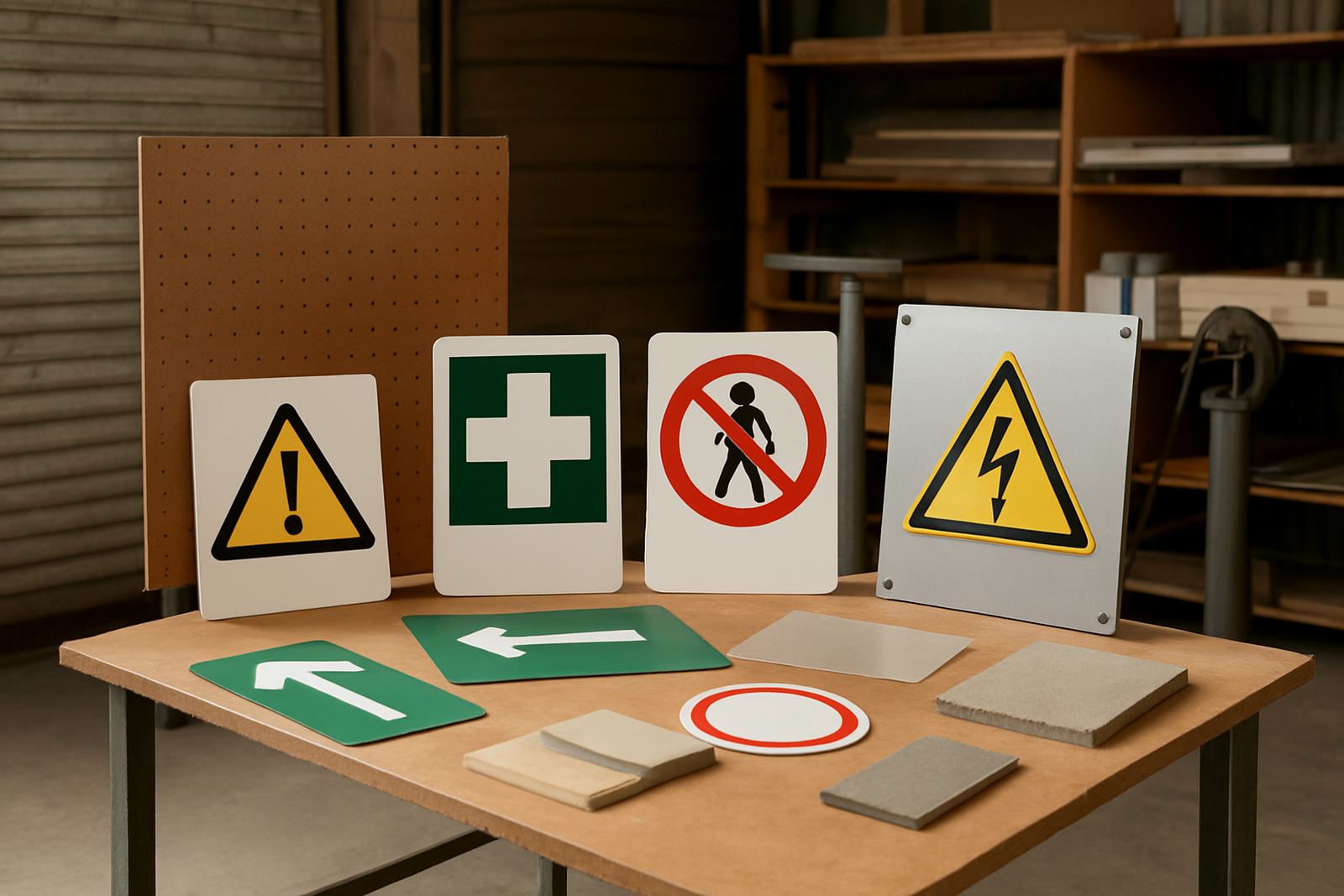
- Safety: warning messages, directional notices and compliance reminders
Choose the Right Window Application for the Site
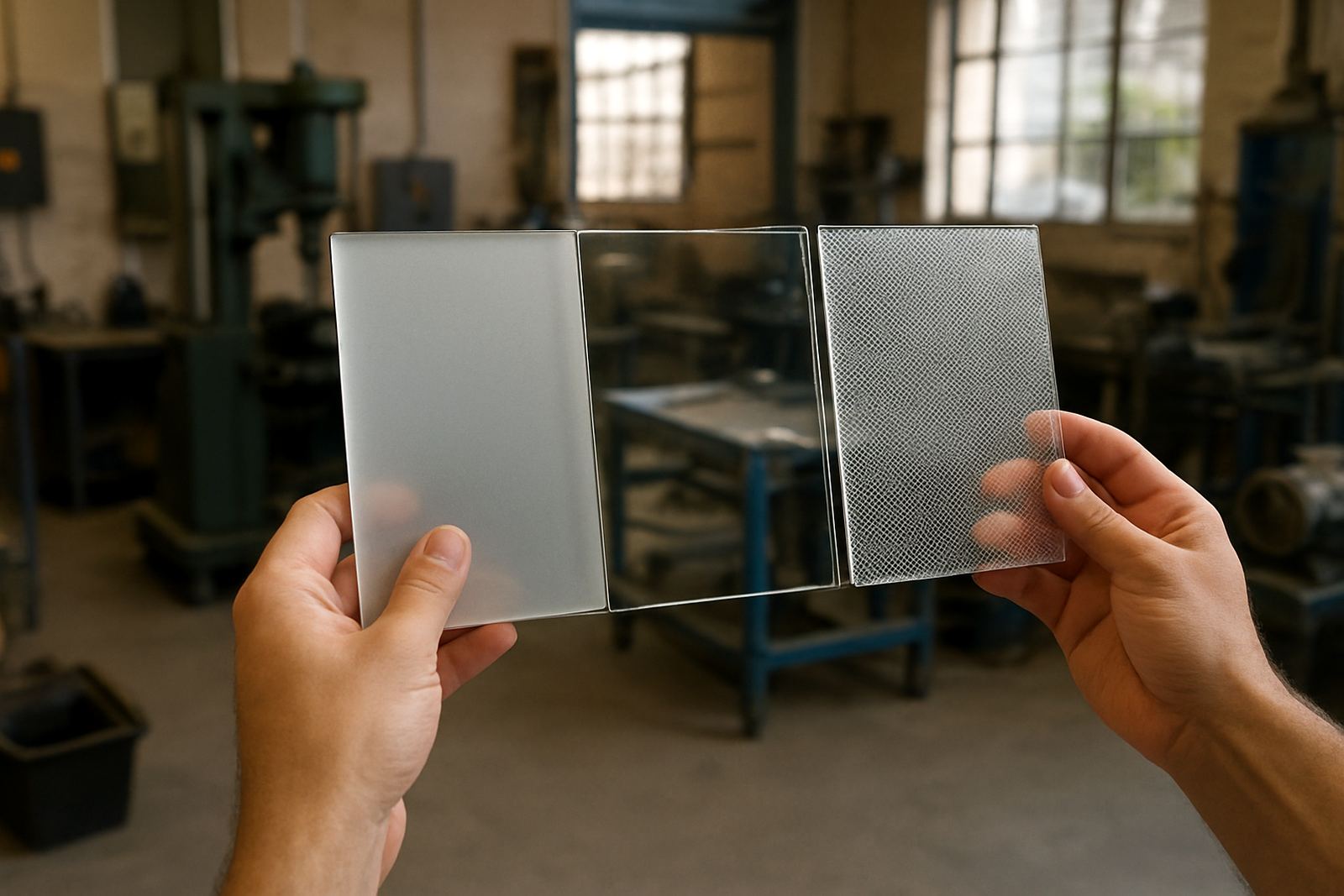
Different applications suit different jobs. Frosted film gives privacy while still letting light through, which works well for office partitions, treatment rooms and reception areas. Full-colour print is better when you want maximum attention from the street and need to use the glass as a display surface. Cut vinyl is often the neatest choice for logos, trading names and hours because it stays clear and easy to read.
For larger shopfronts or glass doors, a combined approach often gives the best result. You can place full coverage on lower sections for privacy, then keep upper panels open for visibility. Perforated film can also be used where you want outside graphics but still need daylight inside. If the window faces direct afternoon sun, ask for a layout that avoids excessive dark coverage, because too much solid print can make a room feel closed in.
- Frosted film for privacy without blocking light
- Cut vinyl for logos, lettering and simple shapes
- Printed film for promotions and stronger visual impact
- Perforated film for outward graphics with inside visibility
Plan the Artwork Before the Measuring Tape Comes Out
Good window graphics start with accurate measurements. Glass size, frame positions, handles, safety markings and door swing all affect the final layout. A graphic that looks fine on paper can fail quickly if it clashes with a latch, covers a required fire exit notice or sits too close to the edge of the glass. In busy areas like Montague Gardens and Paarden Eiland, we also check for loading bay sightlines and vehicle movement so the signage remains easy to read from the right direction.
The artwork itself should be simple enough to read from outside at a glance. Use strong contrast, keep text short and make the most important message the biggest. If your site has several windows, you do not need the same message on every pane. One window may carry branding, another may carry services and another may carry privacy film. That gives the front a more organised look and avoids visual clutter.
- Measure each pane separately, including frames and gaps
- Check for handles, hinges, security bars and opening sections
- Keep key wording large enough to read from the pavement
- Confirm whether the graphic must be viewed from inside, outside or both
Installation Steps That Help the Finish Last Longer
Window graphics last longer when the glass is properly cleaned, dried and prepared before application. Any dust, polish residue or moisture can cause lifting, bubbles or early peeling. On older shopfronts in Cape Town, paint overspray or silicone along the frame can also affect adhesion, so the preparation stage matters just as much as the print. When the site is exposed to strong weather, installation timing matters too. Hot glass can make some films tack too quickly, while windy conditions can make large panels difficult to position accurately.
For best results, the installer should work in sections and align each piece carefully before full bonding. Edge finishing is important on doors and frequently used panels, because repeated hand contact can wear the corners. If the graphic is going onto a vehicle-facing window or a business with high foot traffic, ask for a finish that can take regular cleaning without fading too fast. Small details make a difference, and a rushed fit often shows later.
- Clean glass thoroughly before any film is applied
- Allow enough time for accurate alignment and smoothing
- Protect door edges and high-touch areas where possible
- Confirm curing time before heavy cleaning starts
Maintenance, Cleaning and Replacement Planning
Window graphics need routine care if you want them to keep looking sharp. A soft cloth, mild cleaner and gentle wiping are usually enough. Harsh chemicals, rough scourers and pressure washing at close range can damage print and lift the edges. In coastal areas, salt build-up should be removed regularly because it can dull the finish over time. For businesses that trade seven days a week, it helps to set a simple cleaning routine and keep it consistent.
If your message changes often, plan for replacement before the old graphic becomes tired or starts to peel. Promotional windows are usually best updated on a seasonal basis, while branded privacy films may stay in place for much longer. It is also worth keeping spare artwork files on hand so future updates match the original style. A maintenance check every few months can save money by catching small edge lifts or faded areas early, before the whole panel needs redoing.
- Use mild soap and water or a suitable glass cleaner
- Avoid scraping tools, strong solvents and high pressure spray
- Check corners, joins and door edges for early wear
- Replace promotional graphics before they look dated
What to Prepare Before You Request a Quote
When you send an enquiry, the clearer your information the faster the quote can be prepared. A few photos of the windows from inside and outside help a great deal. It also helps to note whether you want privacy, promotion or both, and whether there are any access limits at the site. For shops, offices and workshops across Table View, Milnerton, Blouberg and Durbanville, this usually means checking trading hours, security gates and whether installation must happen after hours.
We also recommend having your logo files, wording and preferred colours ready. If you are not sure what format to use, send what you have and explain the result you want. From there the artwork, materials and fitting method can be matched to the site. For clear planning, use this short checklist before you enquire:
- Photos of the windows from both sides
- Approximate sizes or pane counts if available
- Your goal: branding, privacy, promotion or a mix
- Any legal notices or safety wording that must stay visible
- Preferred timing for fitting and any site access notes
Blouberg Signz & Engineering works from Table View and supports businesses across Cape Town with signage manufacture, installation, maintenance and custom cut pieces where needed. For window graphics, the best result comes from careful planning, practical material choice and a finish that suits the way your premises actually works.
Common Mistakes to Avoid on Glass
Some window graphics fail not because the idea is wrong but because the execution is rushed. Too much text is one of the most common problems. Another is choosing a finish that blocks too much light in a room that needs brightness. Poor sizing can also make a window look cluttered, especially when the same message is repeated on every panel. A cleaner layout usually works better and ages more gracefully.
It is also worth checking how the graphic reads from a passing car versus from a pedestrian standing close to the glass. What looks balanced at arm’s length may disappear from the road. Finally, do not ignore local conditions. A window in a sheltered courtyard behaves differently from one facing the afternoon sun and sea air. If the location is exposed, that should shape the material choice from the start.
- Avoid overcrowding the glass with too much copy
- Do not block essential visibility in offices or reception spaces
- Match the finish to sun, wind and salt exposure
- Check readability from the street as well as from close up