Start With the Frontage, Not the Sign Catalogue
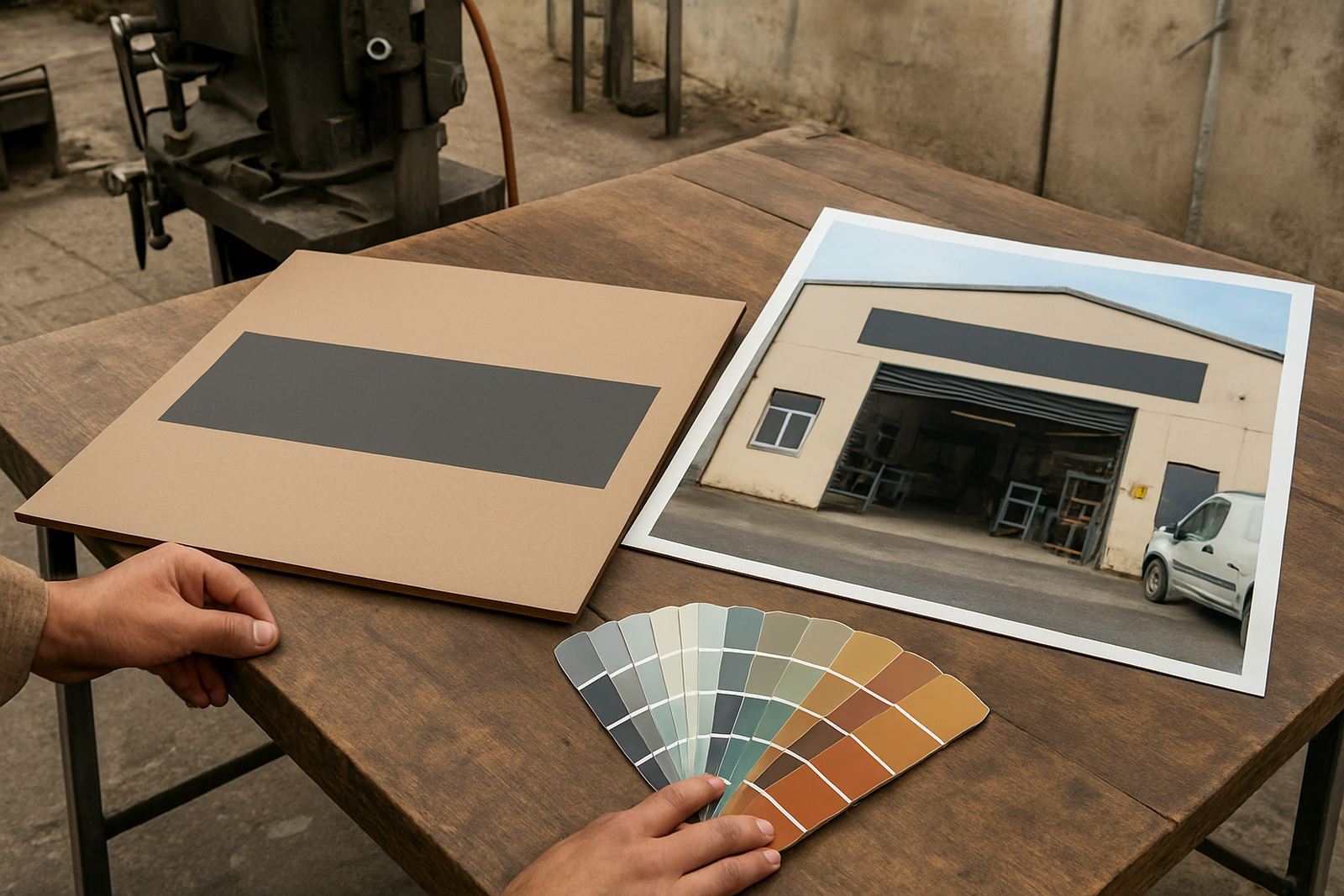
Before you choose colours or lettering, measure the actual frontage and look at what the sign has to work around. In Table View, Milnerton and along the Blouberg strip, a fascia sign often has to fit around roller shutters, canopies, parapet walls, lighting points and municipal building lines. A sign that looks good on paper can fail on site if the face is too shallow or the fixing points are wrong.
Work from the shopfront outwards. Check the visible width, the height available above the entrance, and where drivers and pedestrians will first see the sign. For a roadside frontage, the reading distance matters more than decorative detail. A small business on a busy street may need fewer words and larger letters, while a premises in a centre can use a more detailed layout.
- Measure the fascia width in metres and note any obstructions
- Stand across the road and test what can be read in 3 to 5 seconds
- Check whether the sign must sit flush, project slightly, or work with an existing frame
- Confirm whether the landlord, body corporate, or municipal rules limit size or lighting
Choose the Right Material for Cape Town Weather
Material choice affects how long the sign stays neat and how much maintenance it needs. Coastal humidity in Blouberg and Table View can be hard on exposed metal fixings and painted surfaces, while sun and salt air can fade some finishes faster than expected. For a business frontage, you want a face that keeps its colour and a structure that does not warp, rust, or lift in strong wind.
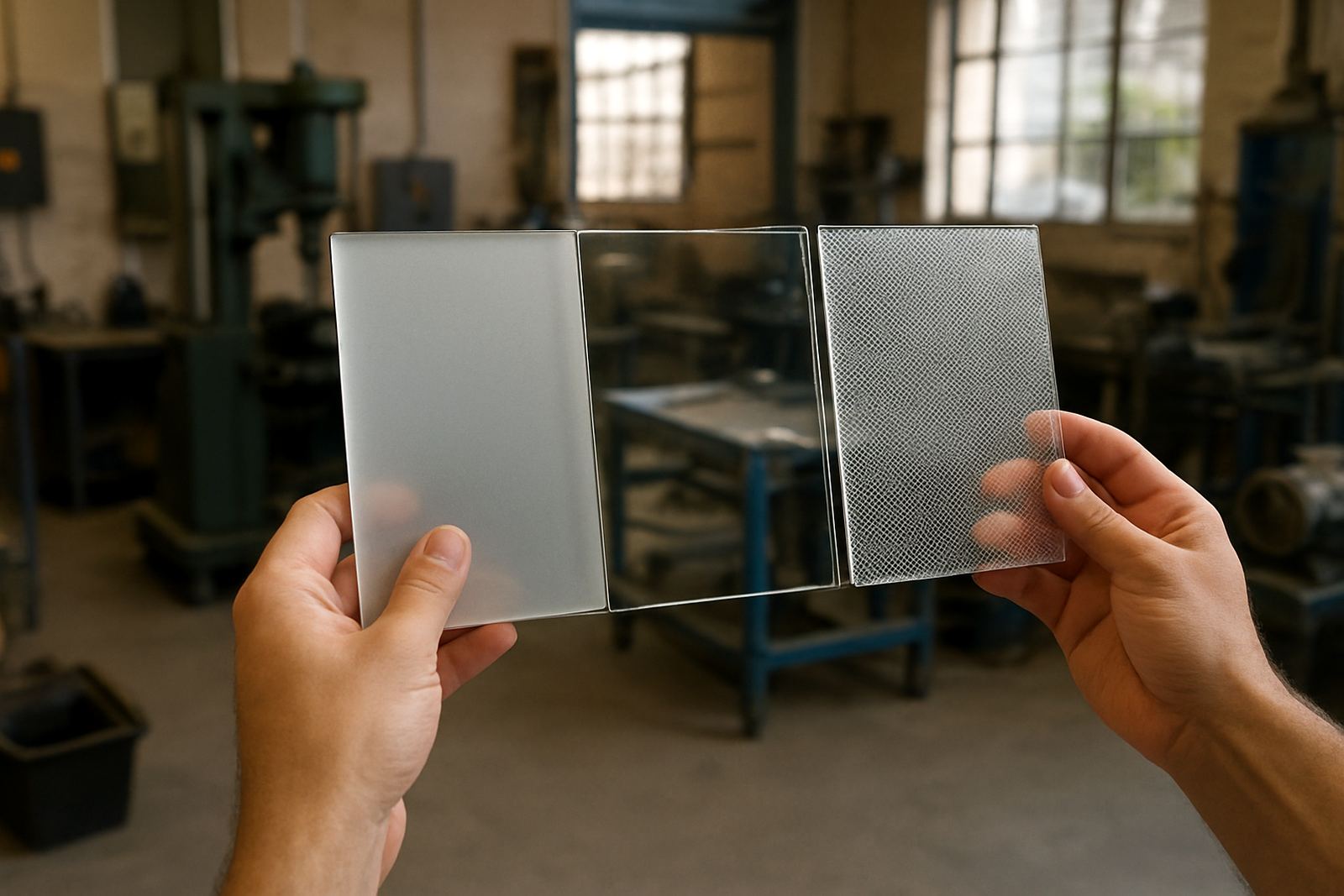
Common fascia sign options include aluminium composite panels, flat aluminium, acrylic faces, painted boards, and framed light boxes. Each one suits a different frontage and budget. A clean painted fascia may work well for a workshop or industrial unit, while a retail shop often benefits from a sign face that is brighter and easier to read in the late afternoon. If the area loses power during load-shedding, reflectivity and ambient light become part of the decision too.
- Ask how the sign will hold up in sun, wind, and salt air
- Check whether the frame and fasteners are suitable for outdoor use
- Compare maintenance needs over 3 to 5 years, not only the first invoice
- Consider whether the sign needs to be wipe-clean for dust and sea spray
Compare Visibility, Lettering and Colour Contrast
Good fascia signage is easy to read quickly. The best sign is not always the biggest one, it is the one with the clearest contrast and the right spacing. Dark text on a light background, or light text on a dark background, usually works better than busy artwork. If your frontage is on a road where traffic moves quickly, bold lettering and simple wording are important.
Think about how your brand looks in daylight and after dark. A light box can help after sunset, while cut-out letters or applied vinyl can suit a more refined frontage. In mixed-use areas like Montague Gardens, Paarden Eiland and Durbanville, signs need to balance visibility with the style of the building. It is worth testing the layout from 10 metres, 20 metres and further if vehicles pass at speed.
- Keep the wording short and direct where possible
- Use letter heights that match the viewing distance
- Check contrast in bright sun and under street lighting
- Avoid cramming in too many services if the frontage is small
Decide Whether a Light Box Is Worth It
A light box can make a strong difference for evening trade, indoor centres, shaded entrances and sites where the frontage is not fully lit. For many businesses in Cape Town, this is the difference between being seen and being missed after 6pm. It also helps when nearby buildings throw shadow over the sign face.
The decision should be practical. If the business closes before dark and gets plenty of daylight, a non-illuminated fascia may be enough. If trading continues into the evening or the frontage is set back from the road, illumination becomes more valuable. The electrical setup should also be considered carefully, because a sign that is hard to service can become a nuisance later. On a coastal site, good sealing and proper drainage in the box matters more than people think, and a loose fitting soon becomes a problem.
- Ask when the business is most visible to passing traffic
- Check whether the power supply can support the lighting load
- Confirm access for lamp or component replacement
- Make sure the housing is sealed against dust and moisture
Check the Installation Method Before You Order
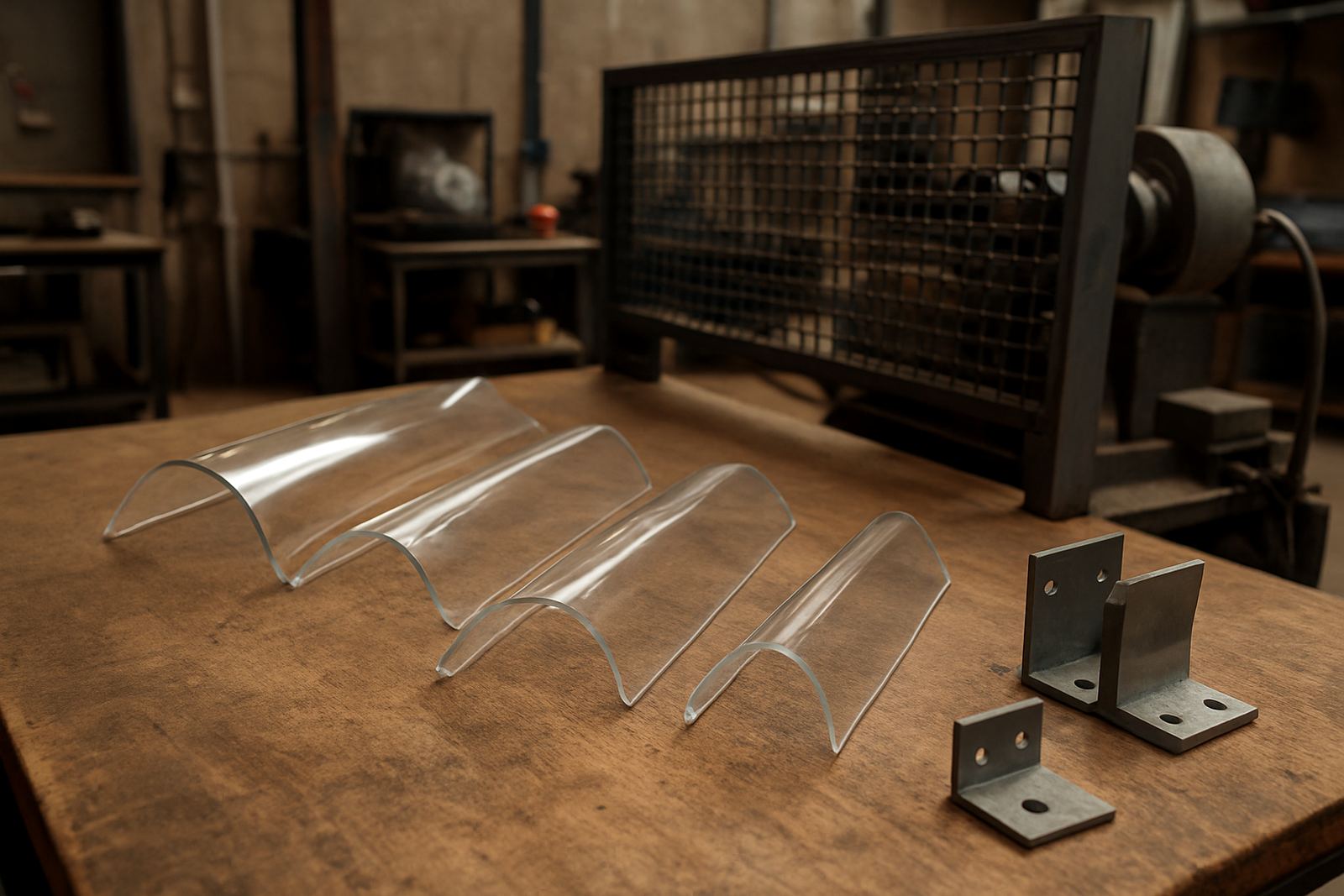
The best sign still needs proper installation. Fascia signs must be fixed to suit the wall type, the frame behind it, and the wind load at the site. A brick wall, steel structure and cladding panel all need different fixings. If the installation is rushed, you can end up with movement, water ingress or lifting edges after the first windy spell.
Before approval, ask how the sign will be mounted, how the cable route will work, and what access is needed for tools or lifting gear. A proper site check can save time and avoid extra costs. For businesses in busy areas like Cape Town city fringe or along main routes in Milnerton, installation timing also matters because traffic control, loading bay access and neighbour access can affect the job. It is better to plan for one neat visit than to patch problems later.
- Confirm the wall material and fixing points
- Ask whether a scaffold, cherry picker or ladder access is needed
- Check if the installation will affect tenants or parking bays
- Make sure the sign can be serviced without major dismantling
Use a Simple Checklist Before Sign-Off
Once the quotation is on the table, compare more than the price. Look at the drawing, the proposed materials, the method of fixing, the expected lifespan, and whether maintenance is included. A fascia sign is part of the front of the business, so it should be treated as a long term asset rather than a once-off decoration.
At Blouberg Signz & Engineering in Table View, we often help businesses compare fascia options against the frontage and the practical use of the site. Our team handles sign manufacture, installation, light boxes, safety signage, vehicle branding, sandblasting, CNC routing, plastic machining and cut-to-size parts for clients across Blouberg, Parklands, Durbanville, Milnerton, Montague Gardens, Paarden Eiland and Cape Town. If you need a sign that fits the site properly, it helps to start with the measurements and work through the checklist before the first cut is made.
- Is the sign readable from the street and from a parked car?
- Does the material suit outdoor weather at the site?
- Will the lighting, if needed, work during load-shedding?
- Can the sign be installed and maintained safely?
- Does the layout match the frontage size and business type?
With the right checks, a fascia sign can do its job for years without drawing attention for the wrong reasons.