What PTFE Seals Are Used For
PTFE seals are made from polytetrafluoroethylene, a hard working engineering plastic that handles aggressive chemicals, moisture and heat better than many general-purpose sealing materials. It is commonly used where product purity matters, or where a seal must stay stable in service and not swell, crack or leach under exposure. For food, chemical and process plants, that makes a real difference when downtime costs money.
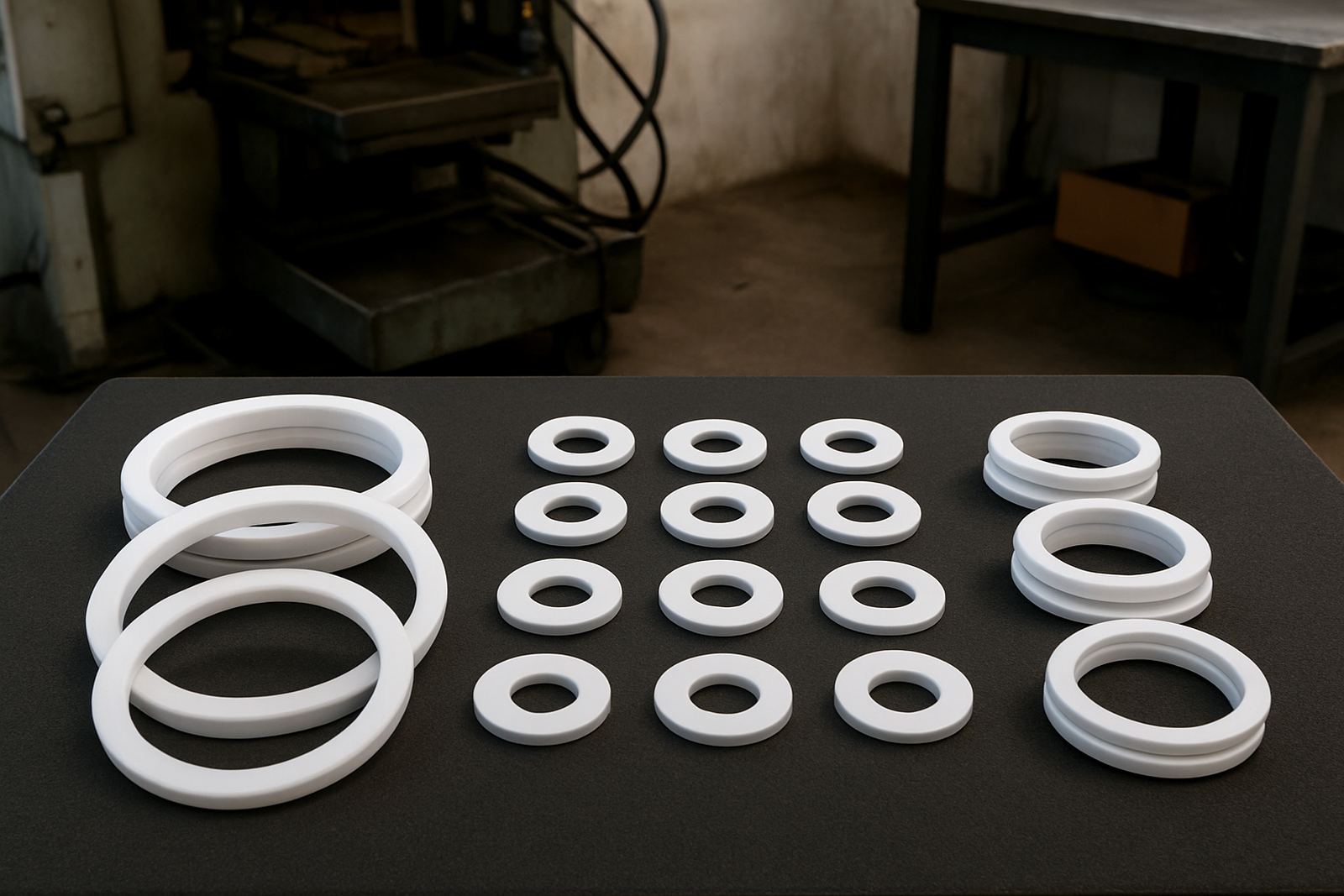
We machine PTFE into flat gaskets, ring seals, seat inserts, backup rings and custom profiles. Depending on the application, the part may be virgin PTFE for cleaner service, or filled PTFE for improved wear resistance and better shape retention. The right choice depends on the media, temperature, clamping load and how often the part is opened for cleaning or maintenance.
Sizes, Profiles And Machining Options
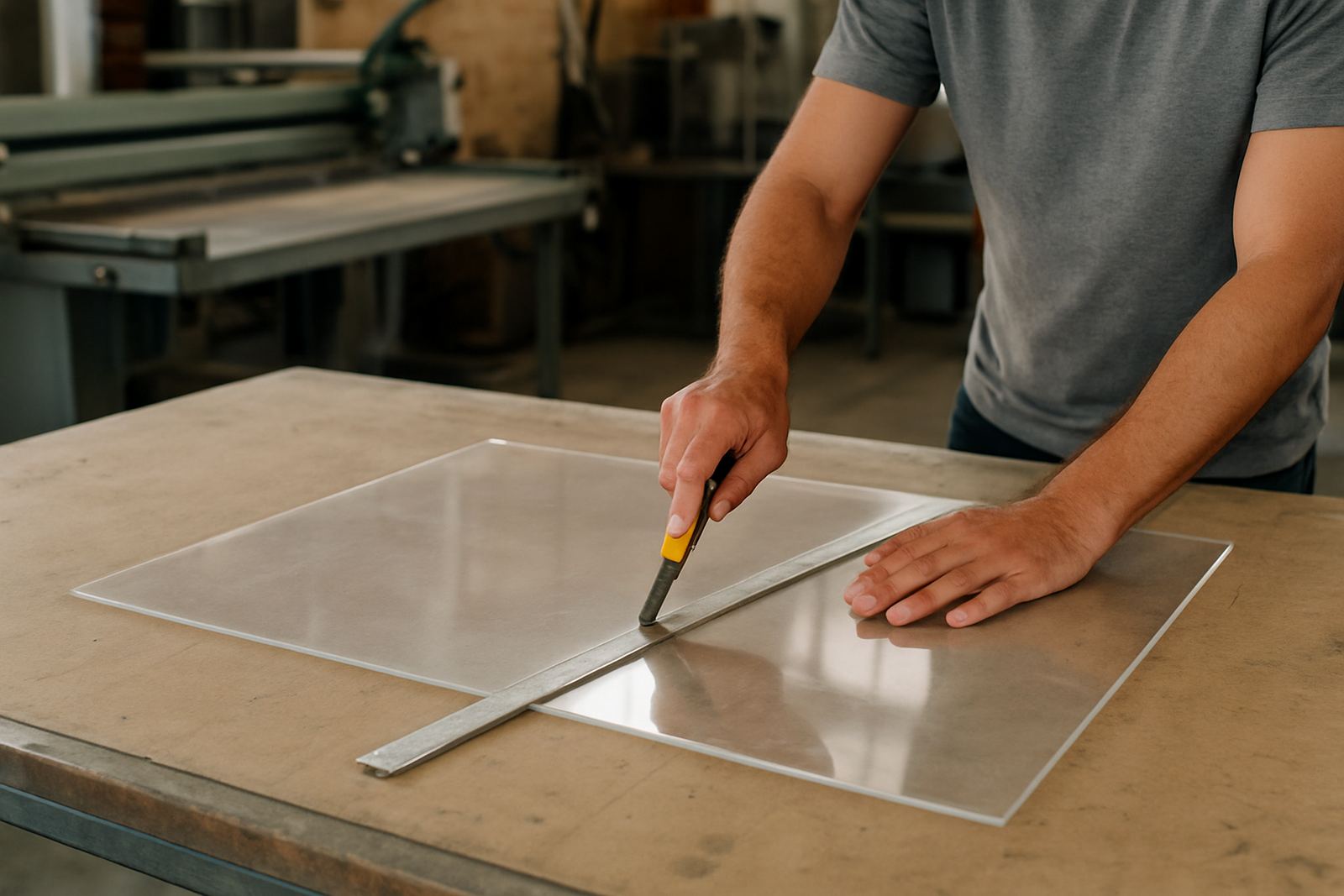
Our workshop cuts PTFE seals to your drawing, sample or dimensions taken from the existing part. We work from small 10 mm instrument seals through to large flanged pieces for tanks and pipework. Thickness can be matched closely, and where needed we machine internal and external diameters to tight tolerances for a proper fit.
- Flat seals and gaskets for flanges, covers and access plates
- Ring seals for pumps, valves and rotating equipment
- Lathe-turned and CNC-routed parts for repeatable sizing
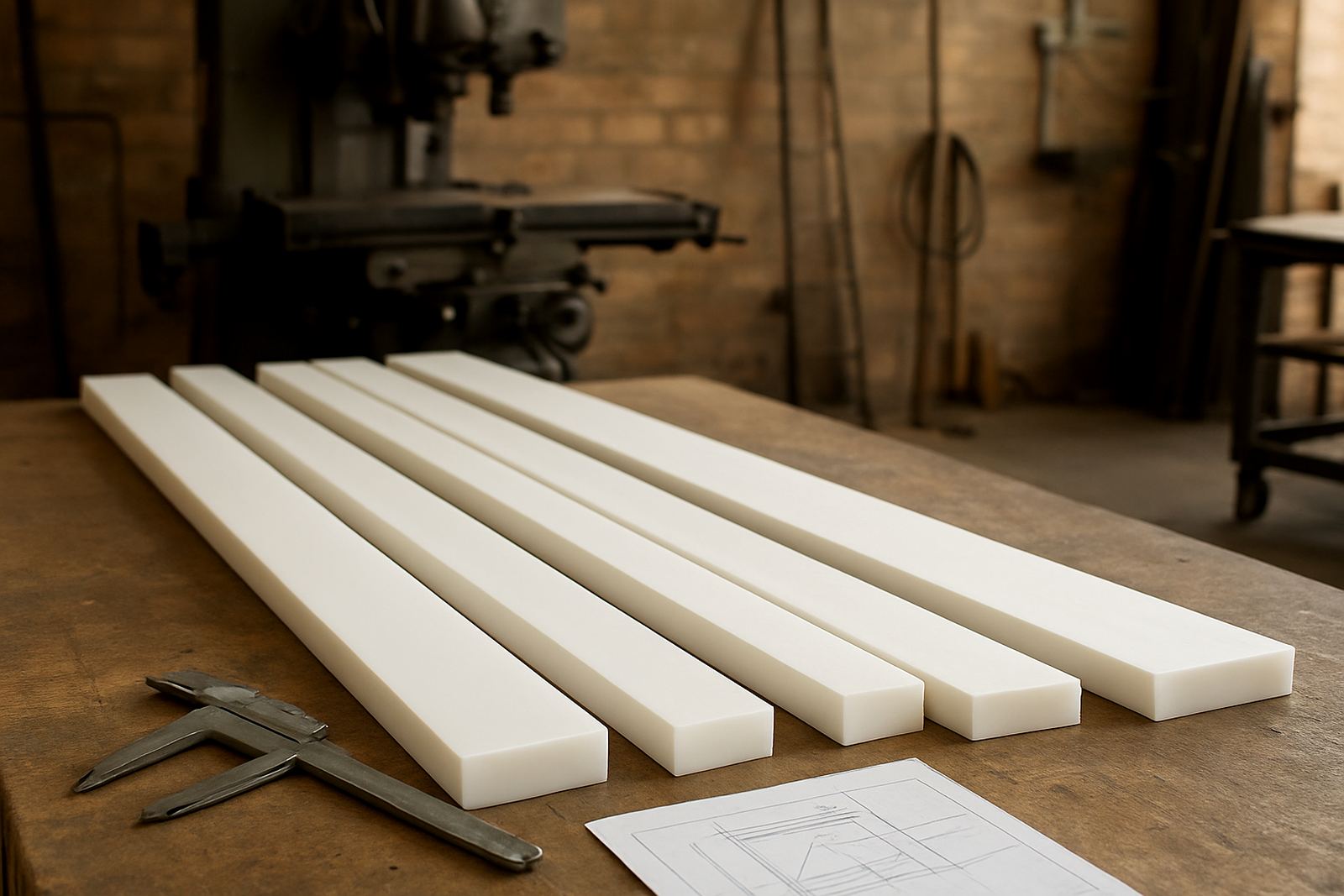
- Custom cut-to-size blanks for in-house finishing or assembly
Available sheet and rod stock can be used for short runs or one-off parts. If the original seal has distorted, we can often work from the housing or mating face instead of the worn item, which helps when an old part has gone brittle or has been overcompressed. Small typo in the right place won't change the fit, but the measurements still must be accurate.
Where PTFE Seals Suit Best
PTFE sealing parts are a strong option for chemical transfer lines, dosing systems, water treatment plants, food processing equipment, abattoirs, dairy plants and general industrial machinery. They also suit marine and coastal settings where humidity and salt can shorten the life of many softer materials. Around Table View, Milnerton and Montague Gardens, we often see them requested for plant that must keep running through load-shedding and irregular maintenance windows.
PTFE is not the answer for every duty, though. It is excellent for chemical resistance and low friction, but it can creep under constant load if the design has not allowed for the correct compression. Where there is vibration, pressure cycling or rough clamping surfaces, we usually check whether a filled grade, a back-up arrangement or a different profile will give better service life.
Installation, Power And Site Conditions
Most PTFE seals are installed as part of mechanical maintenance, so the main requirement is clean mating surfaces and correct compression. If the groove, flange face or gland is damaged, the new seal will only perform as well as the surface it sits against. We recommend checking bolt pattern, face finish and any sign of pitting before fitting a replacement.
PTFE itself does not need power or gas, but the equipment it serves often does, and that affects how the seal is specified. On heated lines, pressure systems or pumped chemical dosing skids, operating temperature, product compatibility and start-stop cycles all matter. In coastal areas the extra moisture can also affect adjacent parts, so we often advise on nearby plastics, backing rings and spacers at the same time.
- Clean the seating area before installation
- Check for sharp edges that can cut the seal
- Use even bolt tightening to avoid uneven loading
- Confirm that the replacement matches the media and temperature range
Care, Servicing And Wear Checks
PTFE seals need very little day-to-day care, but they should be inspected during planned maintenance. Look for flattening, edge nicks, extrusion, surface scoring and chemical attack around the contact zone. If a seal has been overcompressed, it may still look intact but fail to hold pressure once the system is back in service. That is why regular checks are worth the effort.
When a site has repeated failures, the problem is not always the seal material. It can be caused by misalignment, rough surfaces, poor gland clearance or the wrong compression rate. We can compare the failed part to the housing and advise whether the design needs a slight change. In many cases, a small adjustment saves a lot of repeat breakdowns and keeps spares usage lower.
What To Send When Ordering PTFE Seals
To produce a PTFE seal that fits properly, send us as much of the following as you have. A clear sample is best, but a drawing, photo with a ruler, or measured sketch can also work. If the seal is worn, tell us how it failed and where it was fitted so we can allow for the right tolerances.
- Inside diameter, outside diameter and thickness
- Material type if known, such as virgin or filled PTFE
- Temperature, pressure and chemical exposure
- Whether it seals a flange, pump, valve or tank opening
- Quantity needed and whether repeat supply will be required
Our Table View workshop serves clients across Blouberg, Parklands, Durbanville, Milnerton, Paarden Eiland and Cape Town. If you need one replacement seal or a small batch for scheduled maintenance, we can machine to size and keep the job practical, clean and accurate.
Key facts
| Material | Virgin PTFE or filled PTFE, depending on service |
|---|---|
| Form | Flat seals, ring seals, gaskets, seats and custom machined parts |
| Size range | From small instrument parts to large flange seals |
| Process | CNC routing, turning and precision cut-to-size machining |
| Typical use | Chemical, food, water treatment and process equipment |
| Service area | Table View, Milnerton, Blouberg, Parklands, Durbanville and Cape Town |