What Perspex Cut Panels Are Used For
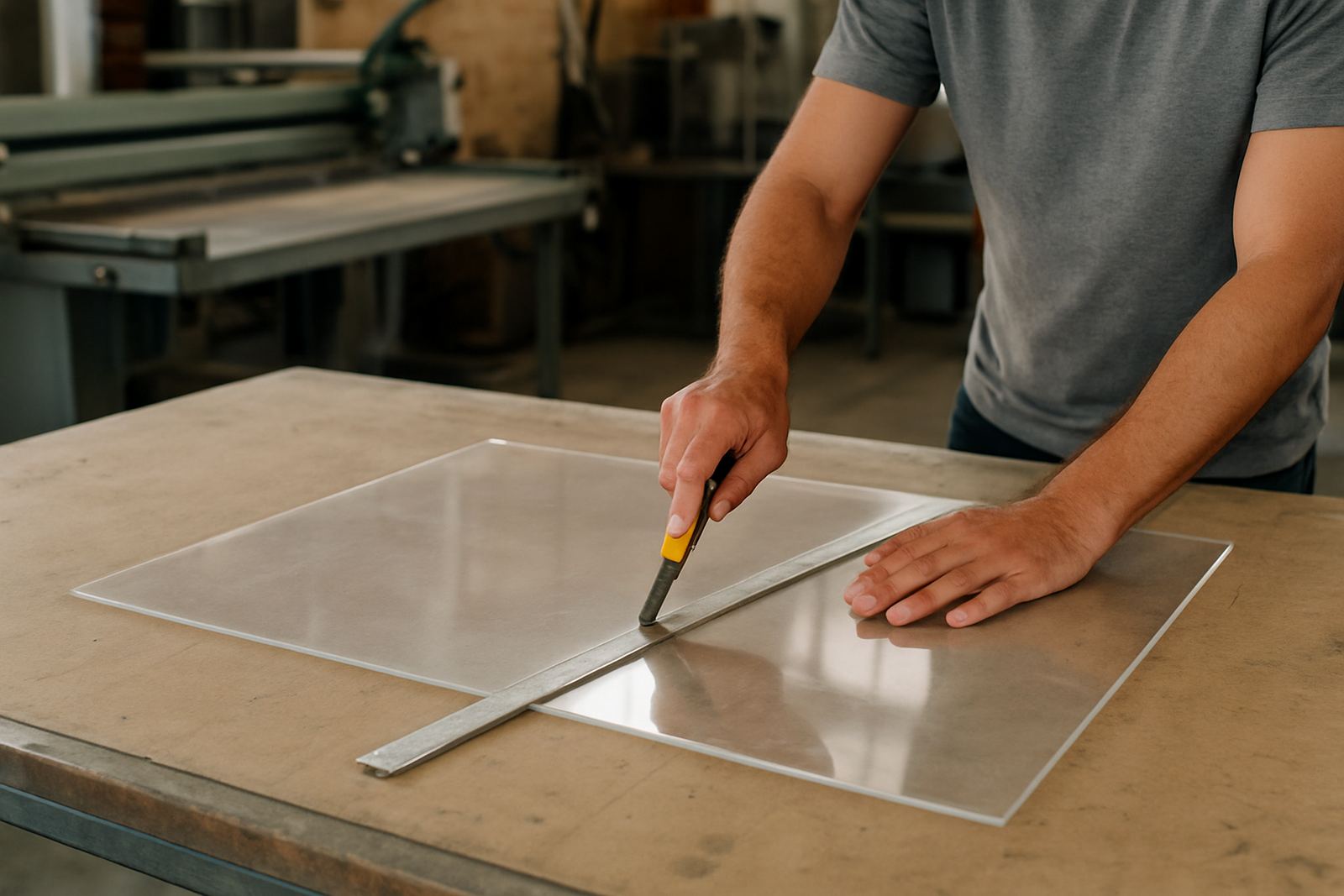
Perspex cut panels are acrylic sheets cut to your required measurements, with clean edges and the right openings, corners or holes for the job. They are used for sign faces, machine guards, notice covers, display stands, menu boards, light box faces, protective shields and workshop parts that need a neat finish and decent impact resistance.
In coastal areas like Table View and Blouberg, acrylic is often chosen because it handles humidity better than many basic board products, and it keeps a clean look in retail, office and workshop settings. It is lighter than glass, easier to drill and route, and available in clear, opal, black, white and a range of colours. For businesses that need a practical product rather than something decorative, it is a solid working material.
Common uses include internal signage, external signage backing, splash covers, equipment guards, point of sale displays and cut parts for light engineering. If your application needs precise dimensions, smooth edges and repeatable sizing, cut panels are usually the better option than buying a full sheet and trimming on site.
Sizes, Thicknesses And Finish Options
We cut panels from standard sheet sizes down to your exact measurements, whether you need a single replacement panel or a batch of repeat parts. Typical thicknesses range from 2 mm to 25 mm, depending on the application. Lighter display work often uses 3 mm or 4.5 mm, while covers, guards and structural panels may call for 6 mm, 8 mm or thicker.
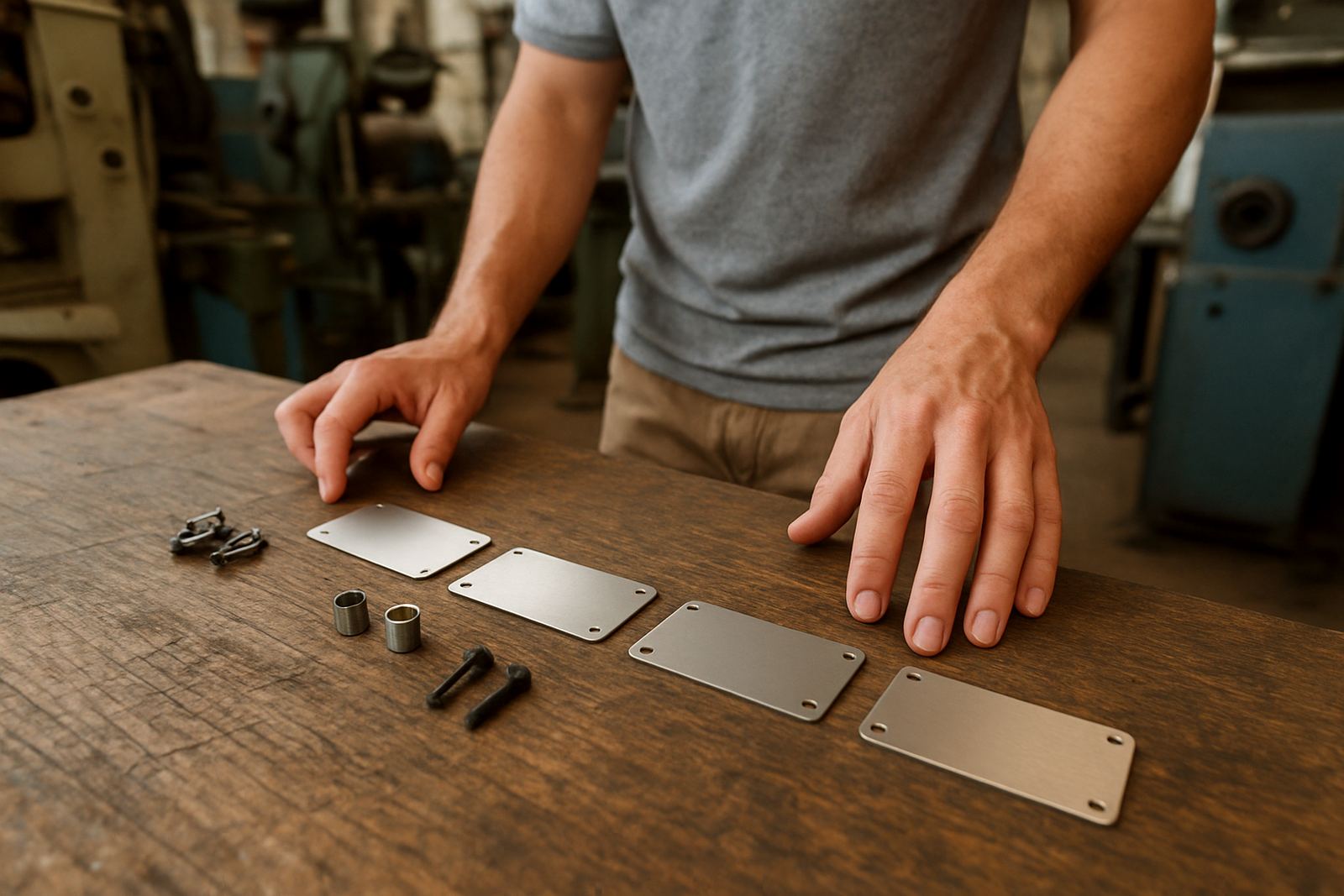
For sign work, the finish matters as much as the size. Clear sheets suit window panels and covers, opal sheets are useful where light diffusion is needed, and solid colours give a cleaner face for branding or partitioning. We can also machine rounded corners, drilled holes, slots, rebates and routed shapes to suit fixing points or housings.
- Sheet options: clear, opal, white, black and selected colours
- Thickness options: 2 mm to 25 mm depending on use
- Edge finishing: as-cut, polished, or routed to profile
- Cut features: holes, cut-outs, rounded corners and slots
For larger panels, we work to a practical tolerance that suits signage and workshop use. If a panel must fit inside a frame or into an aluminium profile, give the finished opening size, not the outer frame size, so the cut comes out right first time. A millimetre here or there can matter more than people expect.
Where These Panels Work Best
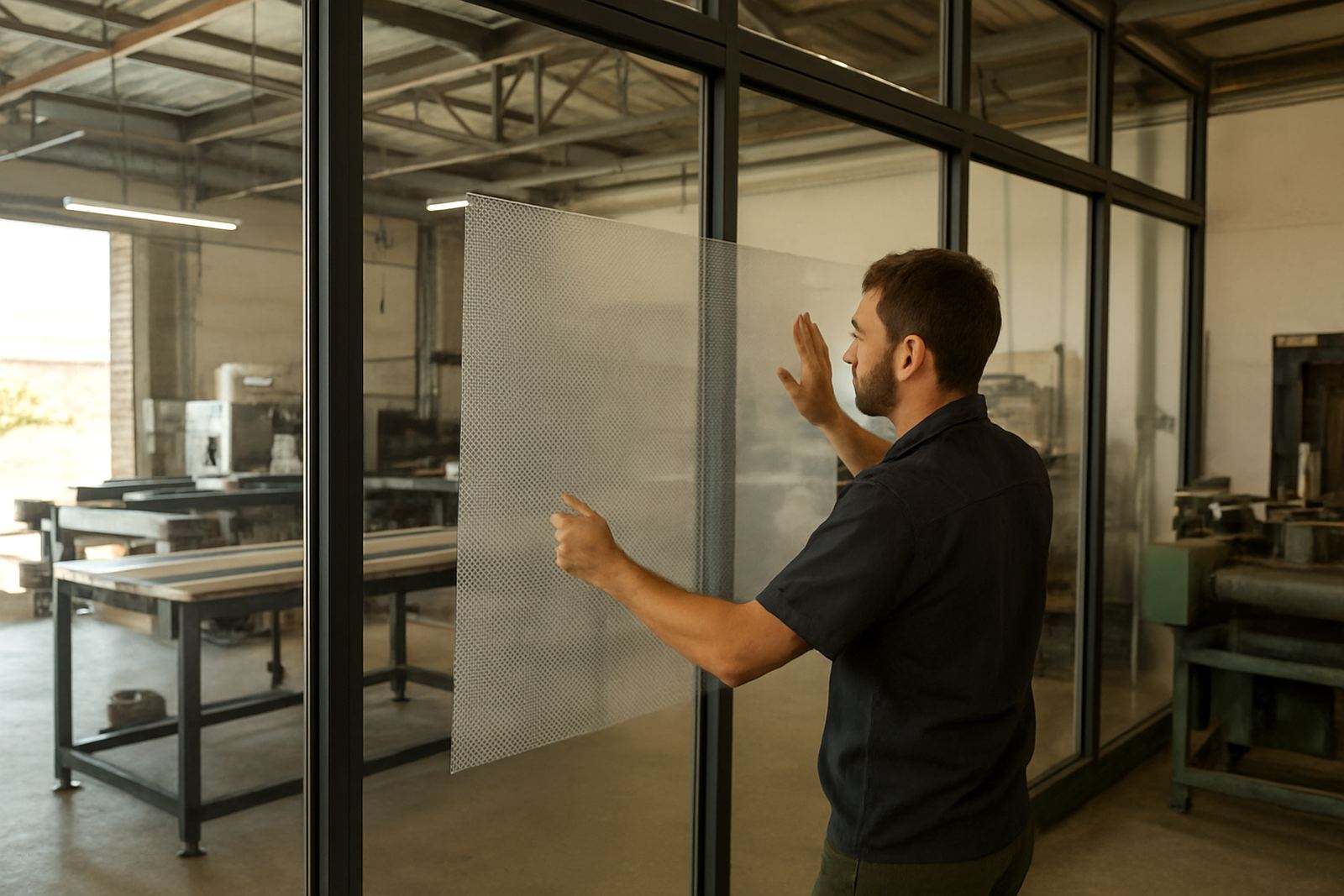
Perspex cut panels suit a wide range of commercial and industrial settings. In shops, they are often used for shelf fronts, notice covers and display boxes. In offices, they can form name panels, partition infills and protective screens. In workshops and factories, they are used for machine covers, guards, templates and viewing windows where a clear panel is needed.
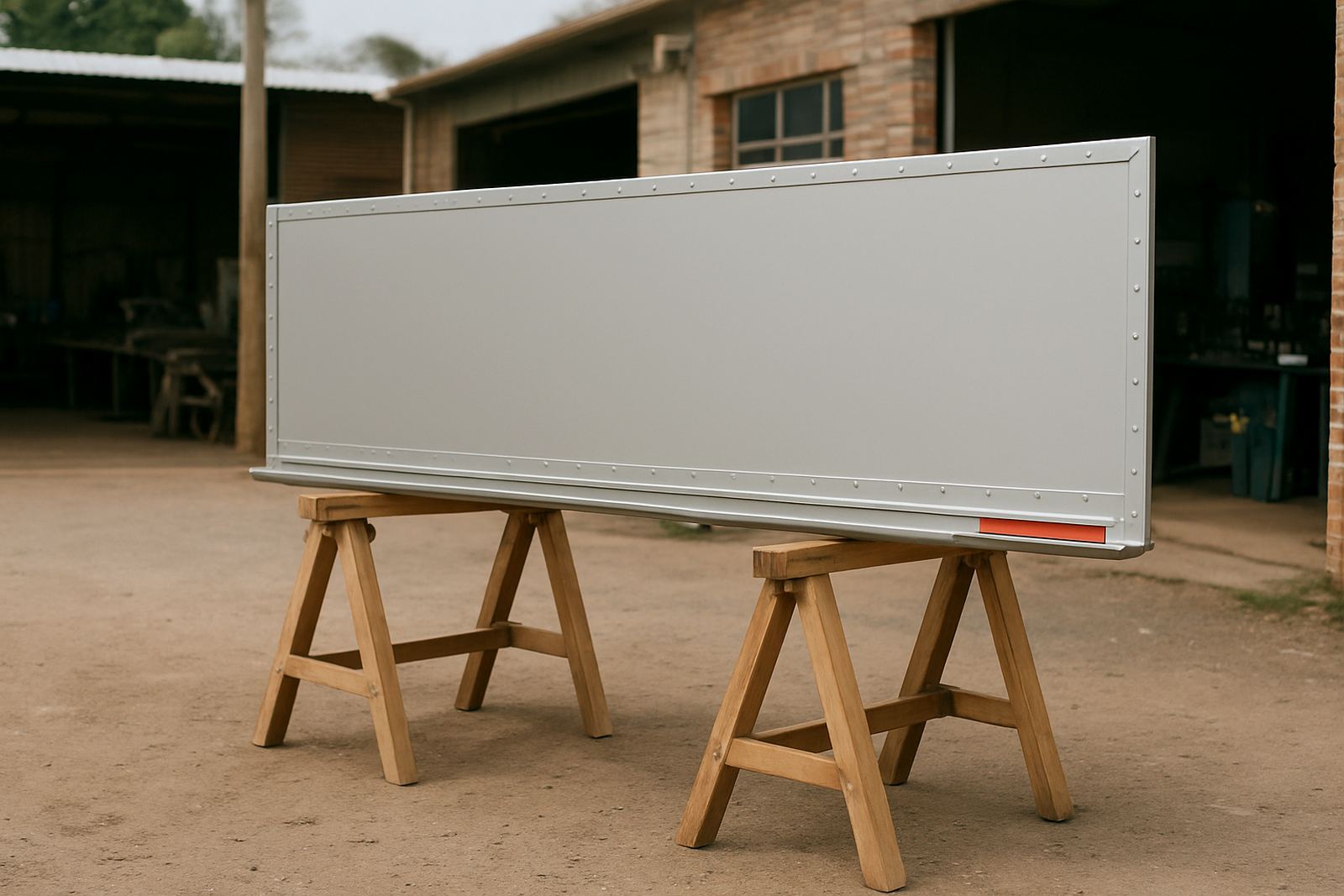
They also work well in signage. A cut panel can act as a face for a light box, a backing plate for a logo, or a shaped insert inside a larger sign frame. For vehicle branding support pieces or temporary event panels, they are useful because they are easy to handle and fit into compact spaces.
- Retail and shop fitting
- Safety covers and machine guards
- Light boxes and illuminated signs
- Displays, stands and menu boards
- Workshop templates and replacement parts
For Durbanville offices, Montague Gardens warehouses and Paarden Eiland workshops, the main advantage is consistency. You get a panel cut to the same size each time, which is important when replacing damaged pieces or maintaining a system across several branches.
Installation, Fixing And Site Requirements
Installation depends on the panel size and how it is being used. Small internal panels can be fixed with screws, stand-off fittings, clips or adhesive systems. Larger sign faces and covers may need pre-drilled holes, support framing or aluminium channels to prevent flexing. Where the panel is exposed to wind or direct sun, fixing points need to be planned properly so the sheet does not bow or crack over time.
Power and gas are not needed for the panel itself, but they may be required if the panel forms part of a light box, illuminated sign or workshop installation. In that case, the lighting components, wiring access and mounting details must be worked out before cutting starts. If the panel is going into an area with municipal rules, fire requirements or shopfront restrictions, it is best to confirm those early so the size and fixing method suit the site.
On coastal sites, salt air and heat can affect nearby metals, adhesives and fixings. Stainless or coated fixings are usually the safer choice, and any sealant used around the panel should be suitable for acrylic. A good fitting can stop rattling, reduce stress on the sheet and help it last longer.
Care, Cleaning And Servicing
Perspex is easy to keep clean, but it must be handled correctly. Use a soft cloth, mild soap and clean water. Avoid abrasive pads, strong solvents and rough cleaners, because they can haze the surface or cause fine scratches. If the panel is in a dusty area, regular light cleaning is better than waiting until dirt builds up.
For workshop use, inspect panels from time to time for cracks around holes, edge chips and signs of stress. A small crack near a fixing point can spread if the panel is over tightened or hit by vibration. If the panel is part of a sign or safety shield, replace it before the damage becomes a bigger risk.
- Clean with soft cloths and mild detergent only
- Do not use solvent based cleaners unless confirmed safe for acrylic
- Check fixing points for cracking or movement
- Keep panels out of direct heat where possible
If a panel is being used outdoors in Cape Town weather, occasional inspection is worth doing after strong wind, heavy rain or long sun exposure. That is especially true for larger panels and anything mounted above eye level.
What To Check Before You Order
Before ordering, confirm the finished size, thickness, colour, number of pieces and whether any holes or cut-outs are needed. If the panel must fit into an existing frame, measure the opening carefully and note whether the sheet should slide in freely or fit tight. If there are screws, hinges or light fittings involved, the fixing pattern should be marked clearly on the drawing or sample.
It also helps to state how the panel will be used. A display panel, a machine cover and a sign face do not have the same requirements. For example, a cover that sits near heat may need more clearance, while a sign face may need polished edges and a cleaner visible finish. If you are ordering more than one panel, ask for the same cut file to be used across the batch so each piece stays consistent.
- Final dimensions in millimetres
- Thickness required for the job
- Clear, coloured or frosted finish
- Number of pieces and repeat quantities
- Hole positions, slots and corner details
- Where the panel will be fitted and exposed to wind, sun or heat
For Table View, Milnerton and surrounding areas, we are set up to handle single replacement panels as well as repeat workshop runs. If the brief is clear, the turnaround is usually quicker and there is less back and forth on corrections.
Key facts
| Material | Acrylic sheet, cut to size |
|---|---|
| Thickness range | 2 mm to 25 mm |
| Finish options | Clear, opal, white, black and selected colours |
| Cut options | Straight cuts, shapes, holes, slots and rounded corners |
| Typical uses | Signs, covers, displays, guards and workshop parts |
| Supply area | Table View, Blouberg, Parklands, Milnerton, Durbanville and Cape Town |