What directional signage does on a working site
Directional signage is the set of signs that guides visitors, staff, tenants and deliveries from the street to the correct place on your property. It includes entrance markers, parking arrows, office direction boards, lift and stair notices, boom gate signs, loading bay signs and simple route markers for large sites. On a retail centre, industrial park or body corporate complex, the job is to make movement obvious at a glance.
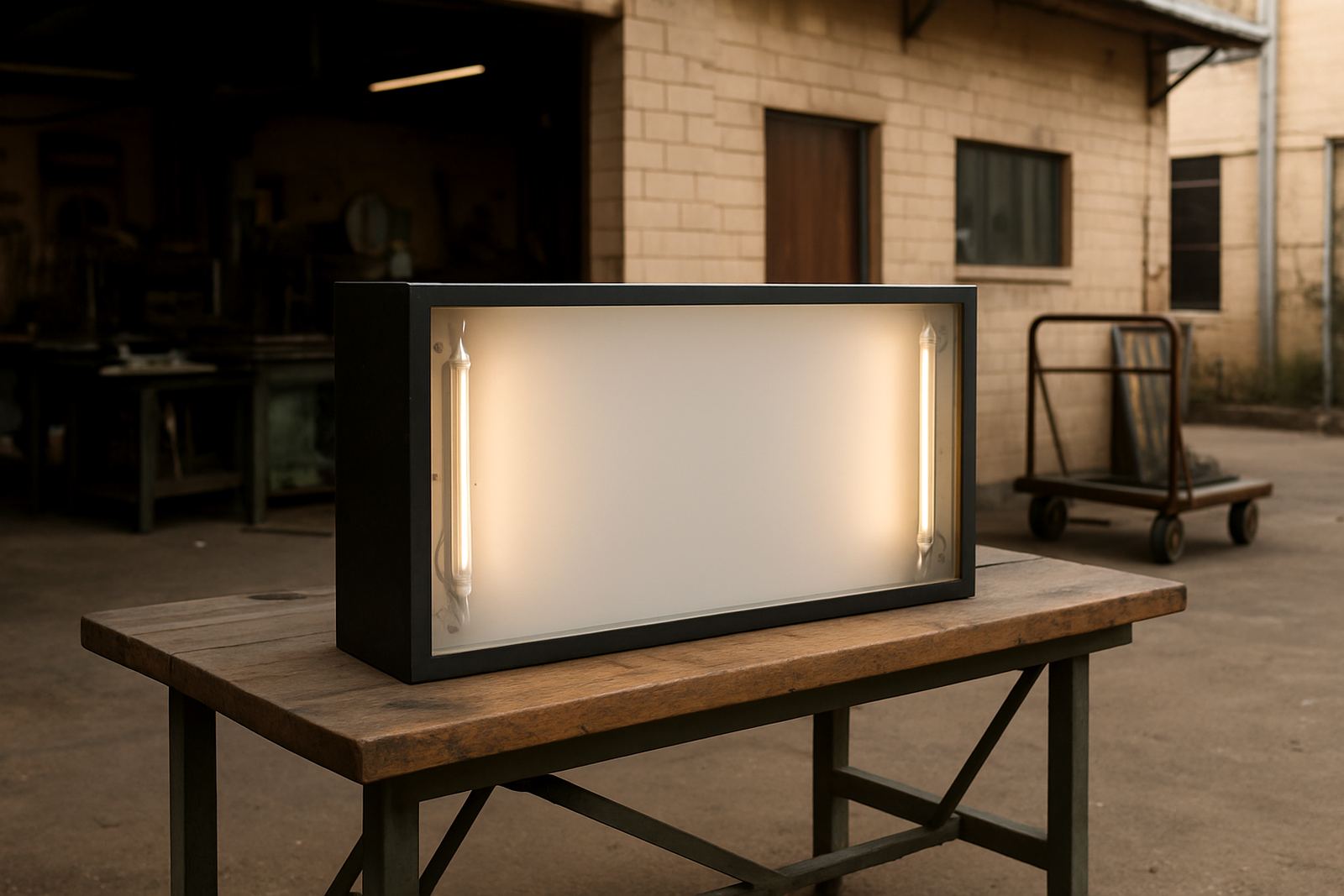
We manufacture directional signs for indoor and outdoor use, with finishes chosen for coastal conditions and day to day wear. In Blouberg and Milnerton, salt air and strong sun can fade poor materials quickly, so the right substrate and print method matter. For sites with load-shedding concerns, we can also supply non-powered signs that still read clearly in low light, or illuminated options where the site needs it.
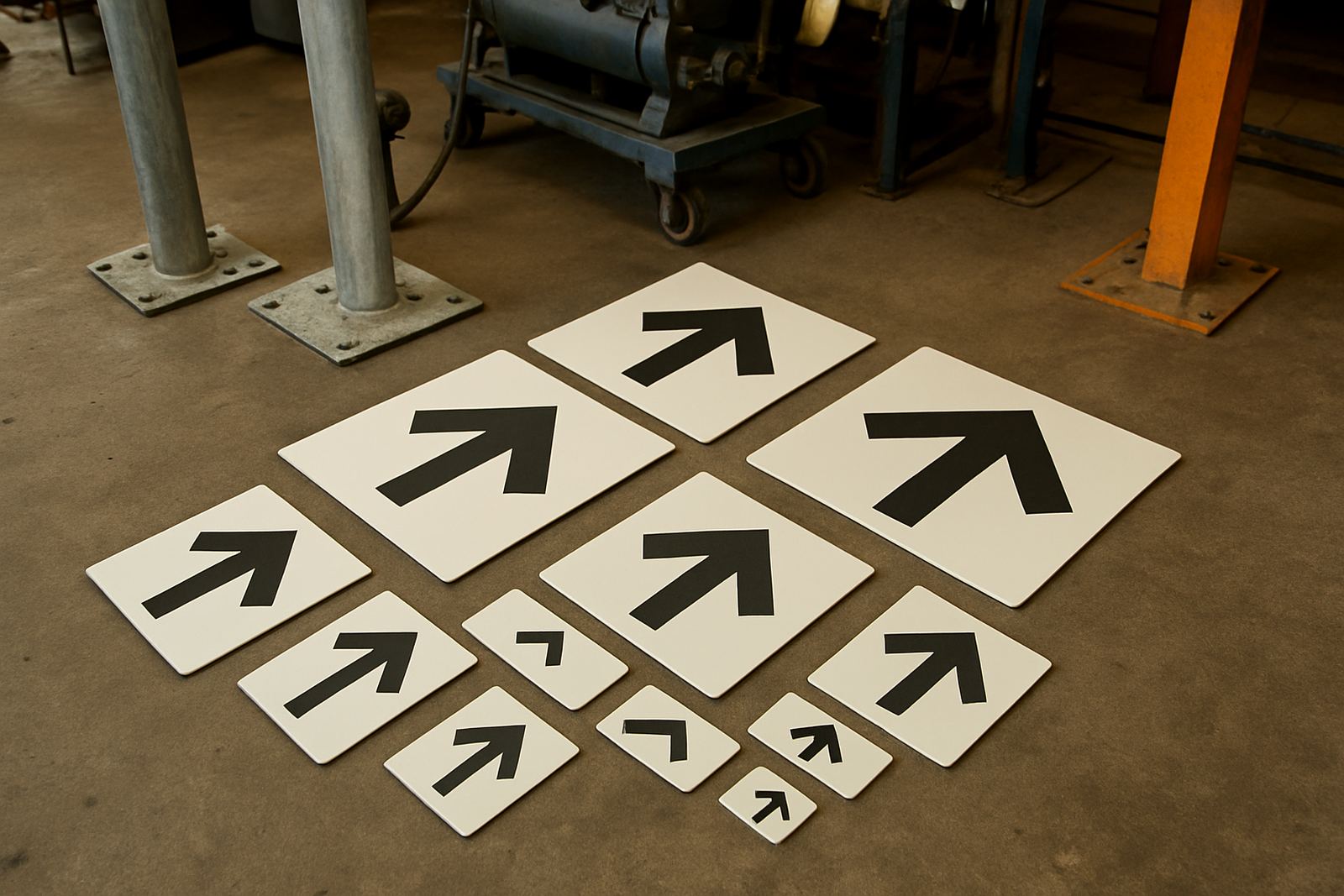
Common sizes, formats and mounting options
There is no single standard size because each site has a different viewing distance and traffic speed. A sign beside a pedestrian path can be smaller than one seen from a moving vehicle. We make directional signage to suit walls, poles, fences, posts, gates and freestanding frames, with the wording and arrows set out for quick reading.
- Small wall signs: 150 x 300 mm to 300 x 450 mm for offices, reception areas and internal corridors
- Medium route signs: 450 x 600 mm to 600 x 900 mm for parking areas and access roads
- Large freestanding panels: 900 x 1200 mm and up for entrances, estates and industrial sites
- Double sided signs for drive-through traffic, driveway entries and shared access points
- Reflective or high contrast finishes for evening use and low light conditions
We can produce flat panels, folded trays, post mounted boards and stacked directional systems where several tenants or departments need to be listed in one position.
Where directional signage works best
This product suits any site where people have to make a quick decision about where to go next. It is used on commercial properties, schools, medical rooms, office parks, industrial yards, warehouses, body corporate complexes and customer service centres. It also works well for parking control, pedestrian access, visitor drop-off points and disabled parking routes.
In Cape Town, many sites have mixed traffic, with walk-in clients, delivery vehicles and staff using the same entrance. That is where clear arrows, clear wording and consistent sign placement help. We often recommend grouping signs at decision points rather than placing them only at the destination. That way the visitor gets guidance before they are already lost.
- Complex entrances and security gates
- Parking rows, bays and visitor parking zones
- Office parks and shared tenant directories
- Industrial yards, loading bays and dispatch routes
- Customer collections, reception points and service counters
Installation, power and site requirements
Most directional signage does not need power or gas at all. Standard panels are fixed mechanically with brackets, screws, chemical anchors or posts depending on the surface. Where a sign is illuminated, we plan for electrical supply and safe cable routing, and the installer will need access to the mounting point and a suitable power source. If the site is in a common property area, body corporate or landlord approval may be needed before work starts.
For outdoor signs, we assess wind exposure, wall condition and vehicle clearance. A sign at a corner in Montague Gardens or Paarden Eiland faces different conditions from an internal office corridor, so the fixing method changes. We also check whether the sign should be visible from a seated driver height or from standing pedestrian level. Good placement is just as important as the material itself.
Materials and finish choices for local conditions
Directional signs can be made in aluminium composite, acrylic, PVC board, perspex type sheet, foam board for indoor use, or steel framed panels for heavier duty sites. For outdoor use near the coast, we usually recommend material combinations that resist rust, swelling and edge damage. Printed graphics can be laminated for extra life, or cut vinyl can be used for simple arrows and text.
Where a sign needs a cleaner corporate look, we can add engraved lettering, painted detail or layered panels. If the site has strong sun, we avoid finishes that wash out quickly. If the site has vehicle traffic close by, we allow for impact risk and make the panel easy to replace in sections rather than replacing the whole board.
Care, maintenance and what to check before ordering
Directional signs are low maintenance, but they still need regular checking. Dirt, stickers, scratched faces and faded arrows can cause confusion, especially on shared sites. A quick wipe-down and periodic inspection usually keeps them readable. If a tenant changes unit number or a parking layout shifts, update the sign before visitors start using the old route out of habit.
Before you place an order, check the following details so the sign works properly from day one:
- Exact wording, unit numbers and arrow direction
- Viewing distance and whether people are walking or driving past
- Mounting surface, wall type or post location
- Indoor or outdoor exposure, including sun, wind and coastal moisture
- Whether the sign must match existing branding or estate rules
- Whether any electrical supply is needed for illuminated sections
We supply and install directional signage for businesses across Table View, Blouberg, Parklands, Durbanville, Milnerton and greater Cape Town, with practical advice on layout and long term use. If you need signs for a complex, parking area or access route, we can help set out the right format before fabrication starts.
Key facts
| Product type | Wayfinding and directional signage for indoor and outdoor use |
|---|---|
| Typical sizes | 150 x 300 mm up to 1200 mm and larger |
| Materials | Aluminium composite, acrylic, PVC, steel framed panels, engraved sheet |
| Mounting | Wall fixed, post mounted, free standing or double sided |
| Use areas | Complexes, offices, parking areas, loading bays, estates and industrial sites |
| Power needs | None for standard signs; illuminated signs require electrical supply |