Clear Identification For Doors, Machines And Assets
Engraved name plates are made by removing the top layer of a material so the text or symbols sit below the surface. That gives you a neat, permanent finish that suits everything from internal doors and storerooms to plant rooms, switch cabinets and production equipment. In a coastal area like Cape Town, engraved plates are a practical choice because they hold up well where paint, stickers and printed labels can fade or lift.
We regularly make plates for businesses in Table View, Parklands, Milnerton, Montague Gardens and Paarden Eiland. The work often includes room names, office numbers, machine labels, serial references, asset numbers and warning plates. For workshops and factories, that kind of identification helps staff move faster and reduces mix ups during maintenance, inspections and stock control.
For a clean result, we can set out plain text, numbering, logos and simple border lines. If you need colour contrast for visibility, we can use two layer engraving material where the top colour is removed to reveal the core colour beneath. That makes the text easier to read from a distance and it stays legible in load shedding conditions when areas may be dimly lit.
Sizes, Materials And Finish Options
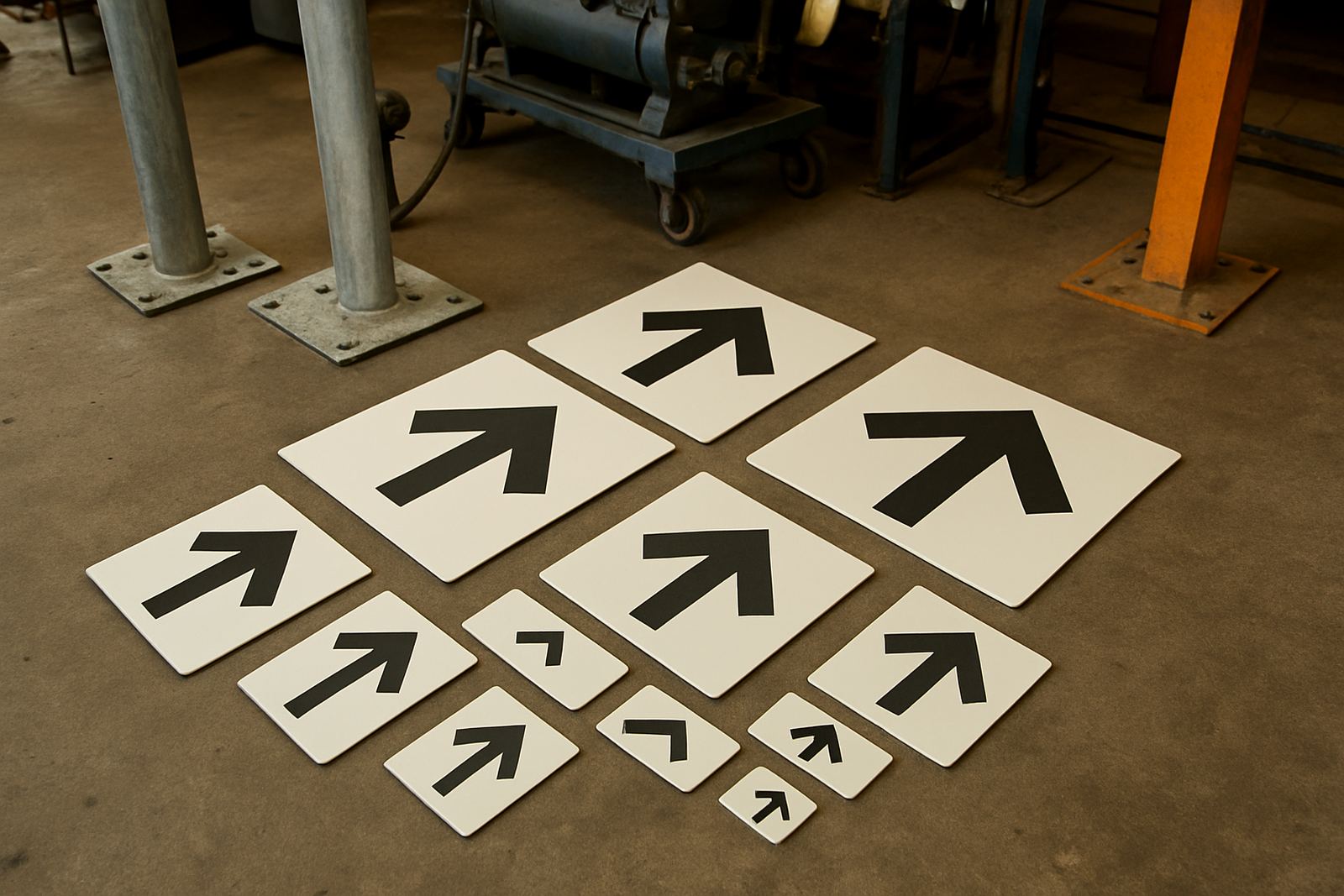
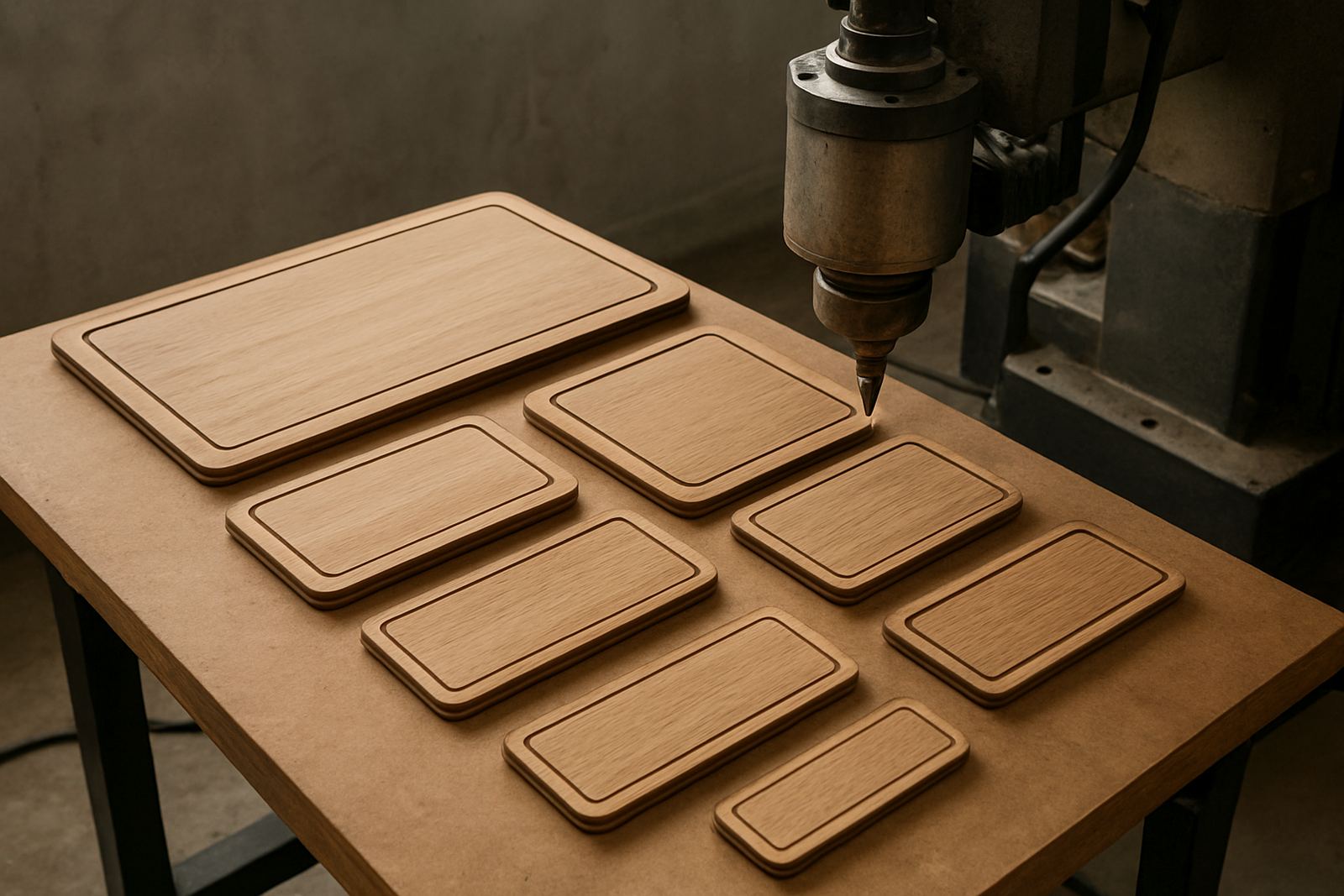
There is no single standard size for engraved name plates, so we make them to the space available and the viewing distance required. Small plates are often used for internal doors and drawer fronts, while larger plates suit plant rooms, gateposts and machine panels. We can cut square, rectangular or rounded corner plates, and can add fixing holes where needed.
Material choice depends on where the plate will be used and how much wear it will see. For indoor use, engraved plastics are common because they are neat, easy to clean and available in good colour combinations. For harsher sites, we can use tougher sheet material, aluminium composite or other suitable engineering plastics cut to size. If you need a more formal look, brushed metal style finishes work well on reception doors and corporate spaces.
- Common thicknesses: 1.6 mm, 3 mm and 5 mm
- Common sizes: 50 x 20 mm up to 600 x 300 mm
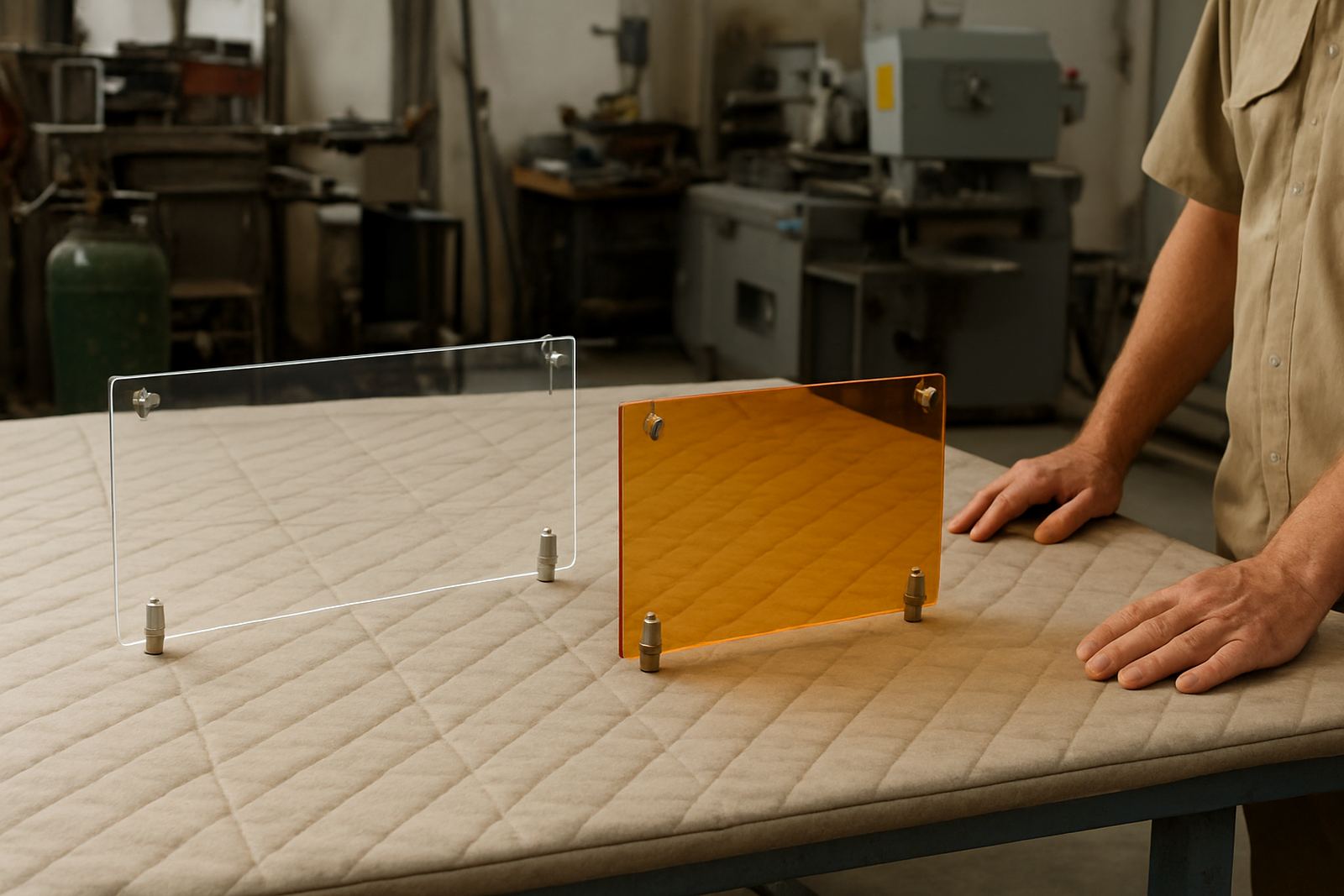
- Mounting options: adhesive backing, screw holes or standoff fixing
- Finish options: matt, gloss, brushed look or contrast engraving
For outdoor or semi exposed areas, we also check whether the plate will sit in direct sun, wind, salt air or heavy cleaning. That helps us recommend a finish that stays readable and does not warp or peel. If the plate is going onto a painted surface, we can allow for edge spacing and fixing methods that reduce damage to the base surface.
Where Engraved Plates Work Best
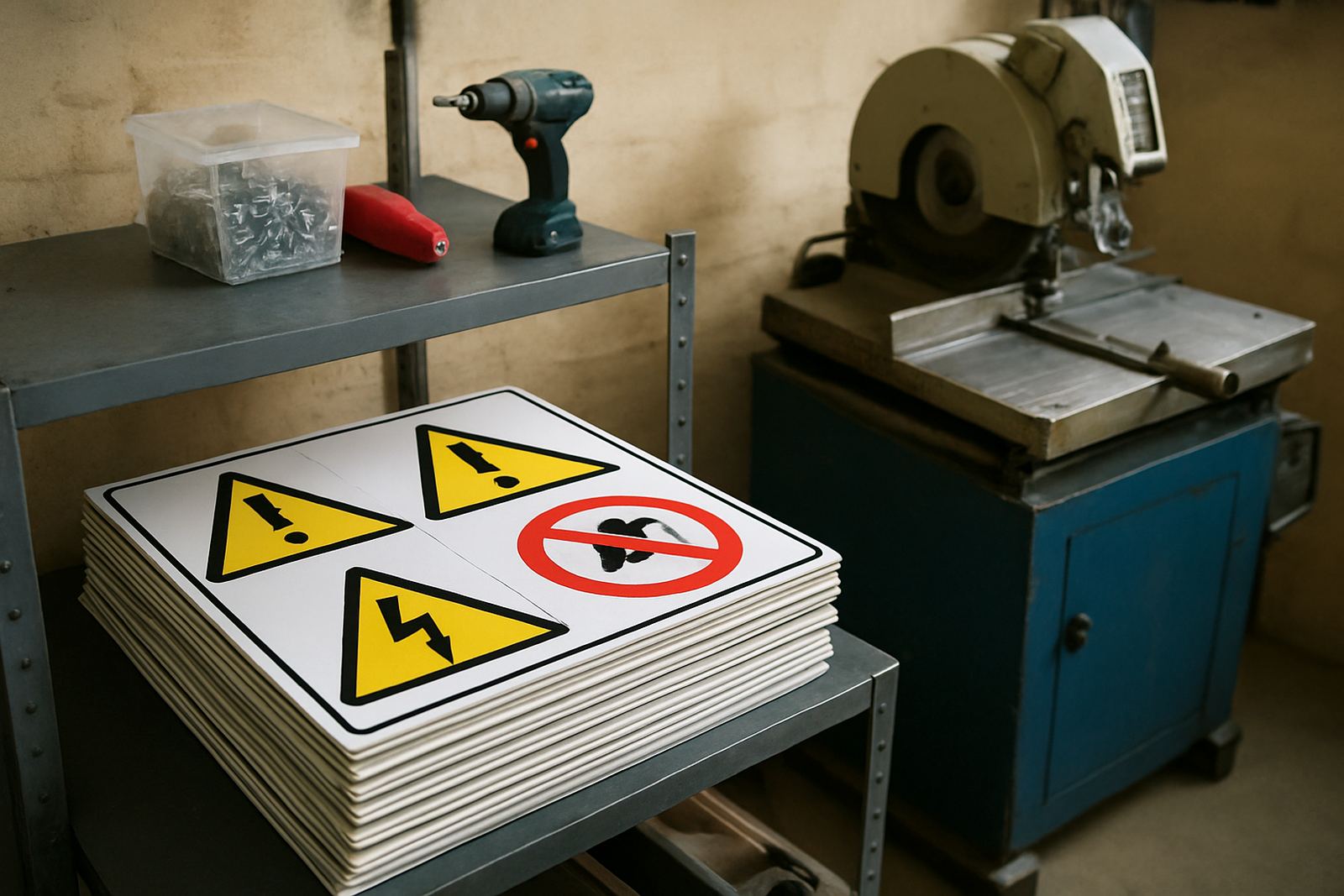
These plates suit a wide range of commercial and industrial settings. Offices use them for room identification, staff names and department labels. Factories use them for machine tagging, maintenance references, electrical panels and safety notices. Warehouses use them for racking, bay labels and asset tracking. Schools, clinics and body corporates often order them for units, doors, access points and notice areas.
They also work well where you need repeated labels across a site. For example, a workshop may need the same size plate across multiple machines, or a property portfolio may want a consistent naming system for all units. That makes ordering and replacement much easier, especially when the same format is used across different buildings.
- Internal doors and office suites
- Machinery and control panels
- Electrical cabinets and switch rooms
- Asset registers and inventory tags
- Gates, storerooms and access points
If your site is in Durbanville, Cape Town CBD or a coastal area near Blouberg, we will take the fixing method into account. Some walls and doors need a light fixing so the plate can be removed later without damaging the surface. Others need a more permanent mount for security or compliance. We can advise on both.
Installation, Mounting And Site Requirements
Most engraved name plates do not need electrical power or gas. They are fitted mechanically with screws, rivets or adhesive, depending on the surface and the use case. That makes them suitable for areas where power is limited, where the site is active during the day, or where you want a simple low maintenance identification solution. For outdoor or plant areas, a properly selected fixing method matters more than the plate itself.
Installation can be done on site by our team, or we can supply the plates ready for your maintenance crew to fit. For a clean install, we check the substrate first. Painted steel, powder coated surfaces, aluminium, laminated board, concrete and timber all need different fixings. In coastal air, fasteners should also be chosen with corrosion in mind, especially where salt and moisture are present.
When we install plates, we look at alignment, sight lines and safety. A plate must be easy to read but not placed where it creates a snag point or gets knocked by trolleys, doors or moving parts. On machinery, placement also needs to avoid hot surfaces, vibration and areas that are washed down regularly.
Care, Cleaning And Long Term Servicing
Engraved plates are simple to maintain, which is one reason they are used so widely. A soft cloth, mild soap and water are usually enough for routine cleaning. Avoid harsh solvents and abrasive pads, especially on plastics, because they can cloud the surface or weaken the edges over time. On outdoor sites, regular wiping keeps dust and salt build up from dulling the finish.
If a plate becomes damaged, faded by UV or is no longer correct after a machine change or office rename, we can remake it to match the original format. That is useful for businesses that update equipment over time and need a consistent look across all labels. We also assist with replacement plates for sites where signs have been removed during refurbishments, tenant changes or maintenance shutdowns.
For busy facilities, it helps to keep a record of the plate size, fixing type and wording format. That makes future replacements quicker and reduces downtime if a tag goes missing. If you have multiple locations across Milnerton, Paarden Eiland and Montague Gardens, a standard naming system saves time on every reorder.
What To Check Before You Order
The best result starts with clear information. Before ordering, check the exact wording, spelling and capitalisation you want on the plate. Decide whether you need a single plate or a full set with repeated sizes. If the plate will be used for compliance or safety identification, confirm the wording against your site procedure or municipal requirement before production starts.
You should also confirm the following details:
- Final text, line breaks and number format
- Plate size and orientation, horizontal or vertical
- Material choice and colour contrast
- Mounting method and fixing surface
- Indoor or outdoor use, including sun and moisture exposure
- Whether logos, arrows or serial numbers are required
If you are ordering for a machine or electrical area, measure the available space carefully and leave enough margin around the text. Small plates can look crowded if too much wording is forced into them. In our workshop we can suggest a better layout if the first draft is too busy or too small to read from normal working distance.
Blouberg Signz & Engineering makes engraved name plates from our Table View base for clients across Cape Town. If you need a one off plate or a full site set, send your details through the enquiry form on our contact page and we will size it, cut it and set it out properly.
Key facts
| Product type | Custom engraved name plates for doors, machinery and asset identification |
|---|---|
| Typical materials | Engraved plastic, aluminium composite and other cut to size sheet materials |
| Typical thickness | 1.6 mm, 3 mm, 5 mm |
| Typical size range | 50 x 20 mm up to 600 x 300 mm, or made to order |
| Fixing methods | Adhesive backing, screw holes, rivets or standoff fixings |
| Use environment | Indoor, sheltered outdoor and industrial sites with coastal exposure |