What an acrylic reception sign is and where it works best
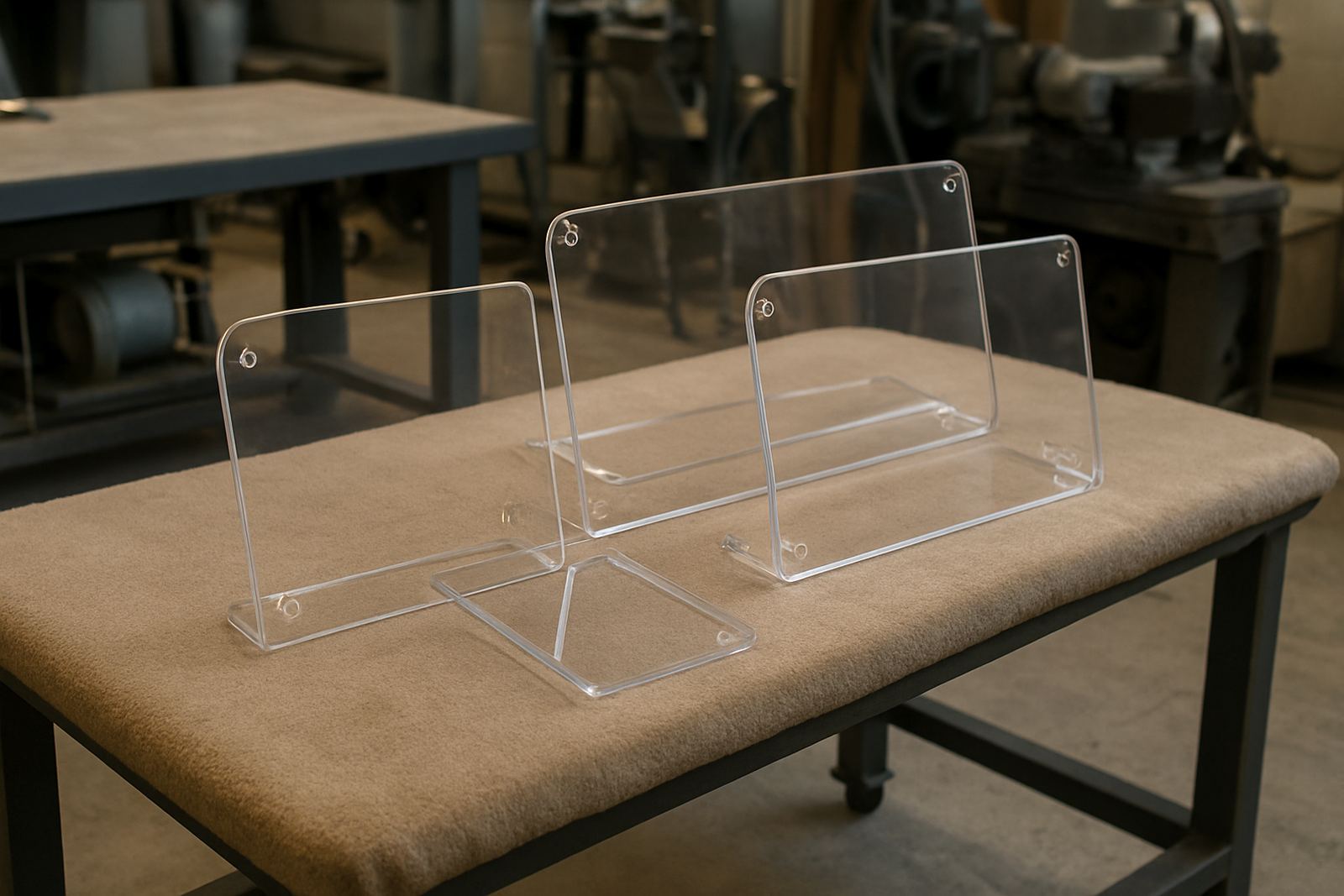
An acrylic reception sign is a sign panel made from clear, coloured or frosted acrylic that is cut to size, shaped and finished for wall mounting at a reception, entrance wall or waiting area. It is often used as the main brand sign in a front office, either on its own or with vinyl lettering, raised letters or a printed face. The result is neat, easy to read and suited to spaces where you want a polished look without a heavy frame.
These signs suit corporate reception areas, medical rooms, legal offices, studios, agents, training centres and sectional title offices. They also work well in newer business parks where clean branding matters and walls need to stay tidy. In coastal areas like Table View and Blouberg, acrylic is a practical choice because it does not rust and it handles humidity better than many metal finishes, provided it is fitted properly.
- Common finishes include clear, white, black, frosted and coloured acrylic
- Typical use is for front counter branding, lobby walls and directional reception points
- Can be made as a flat sign or built up for more depth
Sizes, thicknesses and finish options we make
Acrylic reception signs are made to suit the size of the wall and the distance from which people will read them. A small office may only need a 600 x 300 mm panel, while a larger foyer or commercial entrance might call for 1200 x 600 mm or bigger. The thickness usually ranges from 3 mm to 10 mm, depending on the look and whether the sign needs more body and strength.
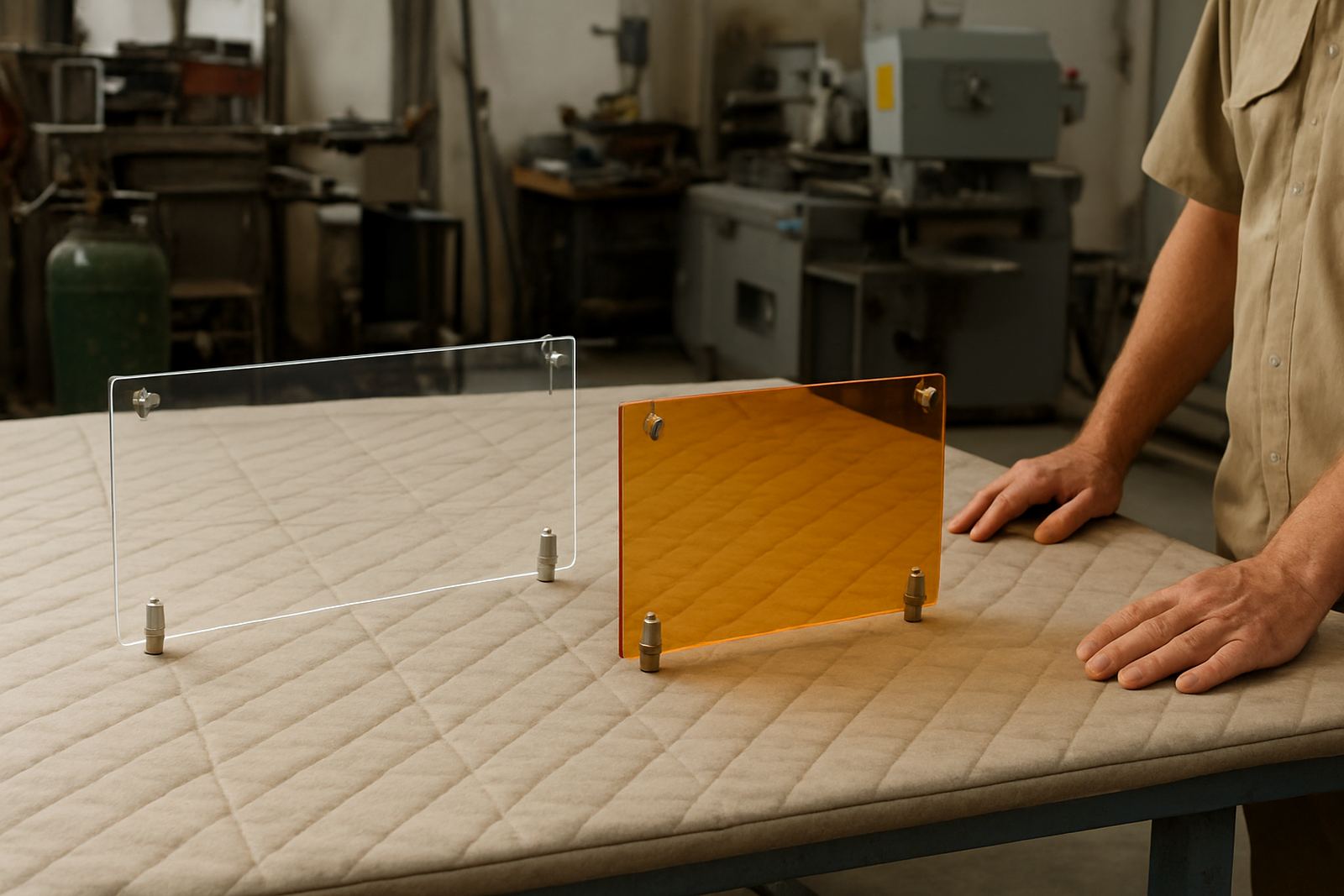
We cut acrylic to size in our workshop and can add engraved detail, router-cut letters or layered pieces for depth. If you need a cleaner premium finish, we can also add standoff fixings so the sign sits slightly off the wall. That shadow gap gives a sharper appearance, especially under reception lighting. For signs that need extra visibility after hours, a light box or internal illumination can be planned in, but most reception signs are non-lit and need no power or gas at all.
- Thickness options: 3 mm, 5 mm, 6 mm, 8 mm and 10 mm
- Mounting options: direct fix, standoff mount or stand-off with a backing panel
- Finish options: gloss, matte, frosted, engraved, printed or layered
Acrylic Signs For Offices And Business Parks
Acrylic is popular because it is clean, versatile and easy to match with the rest of the interior. It can carry simple corporate colours, a logo, directional wording or reception messaging without looking cluttered. For businesses that want a modern front-of-house finish, acrylic gives a neat result without adding too much weight to the wall. It also pairs well with aluminium, vinyl and other sign materials if the job needs more than one component.
In shared office parks and commercial buildings, reception signs often need to be visible but not overpowering. Acrylic does that well. It is also suitable for spaces where cleanliness matters, such as clinics, consultation rooms and beauty studios. If the sign is in a coastal environment or near a busy entrance, we can recommend the right thickness and fixing method so it stays straight and secure over time. One loose fixing can make a good sign look tired very quickly, so the details matter.
- Good for professional interiors with limited wall space
- Can be matched to corporate colour standards and logo shapes
- Works well with clean finishes in high traffic reception areas
Installation, wall conditions and what the site needs
We handle installation across Table View, Milnerton, Blouberg, Parklands, Durbanville, Montague Gardens, Paarden Eiland and wider Cape Town. Before fitting, we check the wall type, surface condition and access. Drywall, painted masonry, tiled walls and partition walls all need different fixing methods. If the surface is uneven or weak, we may suggest a backing board or spacer layout so the sign sits correctly and does not crack under pressure.
For most acrylic reception signs, the installation is straightforward and does not need power or gas. If the sign includes lighting, such as a lit backing or internal light box, then an electrical point is required and the power route must be planned before the sign goes up. In load-shedding conditions, a non-lit sign has the advantage of always looking presentable, while illuminated options may need backup power if they must stay on after hours. We can advise on safe cable routing and a neat finish so the sign looks good from the front and the back.
- Check wall type before ordering: drywall, brick, plaster, tile or cladding
- Confirm whether the sign will be lit or non-lit
- Allow for access if installation is above a counter, staircase or glazed wall
Care, cleaning and servicing over time
Acrylic signs are low maintenance, but they should be cleaned with the right products. Use a soft microfibre cloth and a mild soap solution, then dry the surface to avoid water marks. Harsh solvents, abrasive pads and rough cloths can scratch the finish or leave it cloudy. In a reception area, fingerprints and dust build up faster than people expect, especially on gloss surfaces and clear panels.
We can also service existing signs if they loosen, fade or need replacement parts. If standoffs work loose, if vinyl starts lifting, or if a sign has been bumped by furniture, we can repair and re-fit it. In humid coastal air, regular checks are useful. It only takes a small movement in a fixing to let the panel sit uneven and that shows straight away from the counter.
- Clean gently with mild detergent and a soft cloth
- Avoid ammonia based cleaners and abrasive pads
- Book maintenance if the sign is loose, scratched or lifted at the corners
What to check before ordering an acrylic reception sign
To make the right acrylic reception sign, we need a few details upfront. The logo artwork should be supplied in a good quality format, ideally vector artwork if available, so we can cut or print clean edges. We also need the size of the wall, the viewing distance and whether the sign must be seen from the entrance or from closer range at the counter. If the area has other branding already, it helps to know the colours and materials in use so the new sign does not clash.
You should also check the building rules if the sign is going into a shared office park or managed property. Some complexes require approval for drilling, fixing methods or signage positioning. If the wall surface is temporary or rented, a non-permanent mounting approach may be better. We will talk through the options, but the more detail you give us at the start, the neater the result. That saves time and keeps the sign looking right first time, not almost right.
- Have your logo artwork ready and confirm spelling exactly
- Measure the wall and note any electrical points, windows or alarms nearby
- Check any landlord, body corporate or municipal signage requirements first
Key facts
| Material | Acrylic sheet in clear, frosted, white, black or custom colour finish |
|---|---|
| Thickness | 3 mm to 10 mm depending on size and mounting method |
| Typical sizes | From 600 x 300 mm up to 1200 x 600 mm and larger |
| Mounting | Direct fix, standoff fix, or mounted on a backing panel |
| Use areas | Reception walls, entrance foyers, waiting rooms, offices and business parks |
| Power needs | None for standard signs; only required if lighting is added |