Rigid boards for clear warnings and site control
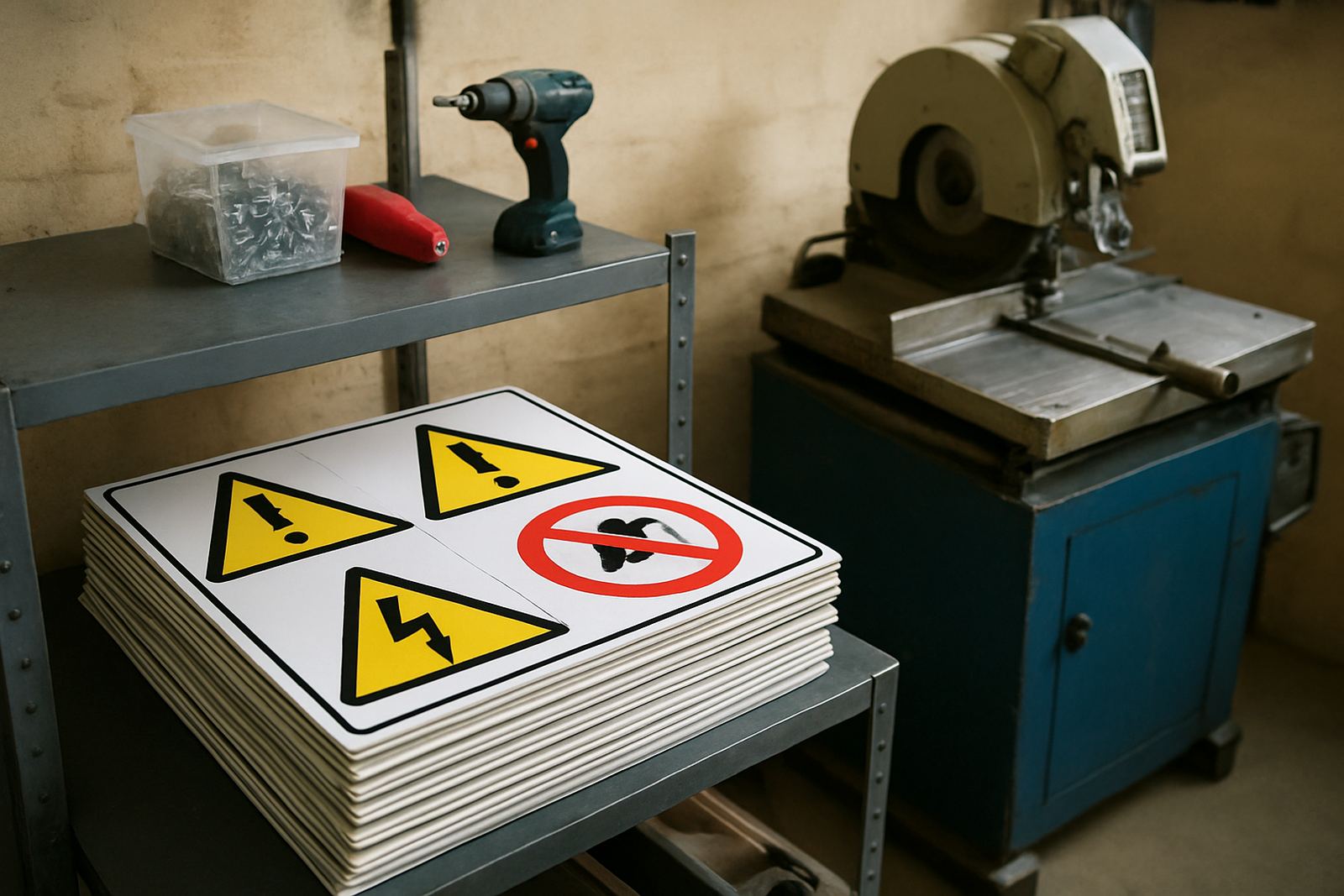
Safety sign boards are fixed, durable signs used to show danger areas, mandatory rules, emergency routes, fire equipment and restricted access. They are usually mounted on walls, posts, gates, fencing, gantries or temporary frames where a printed sticker would not last long enough.
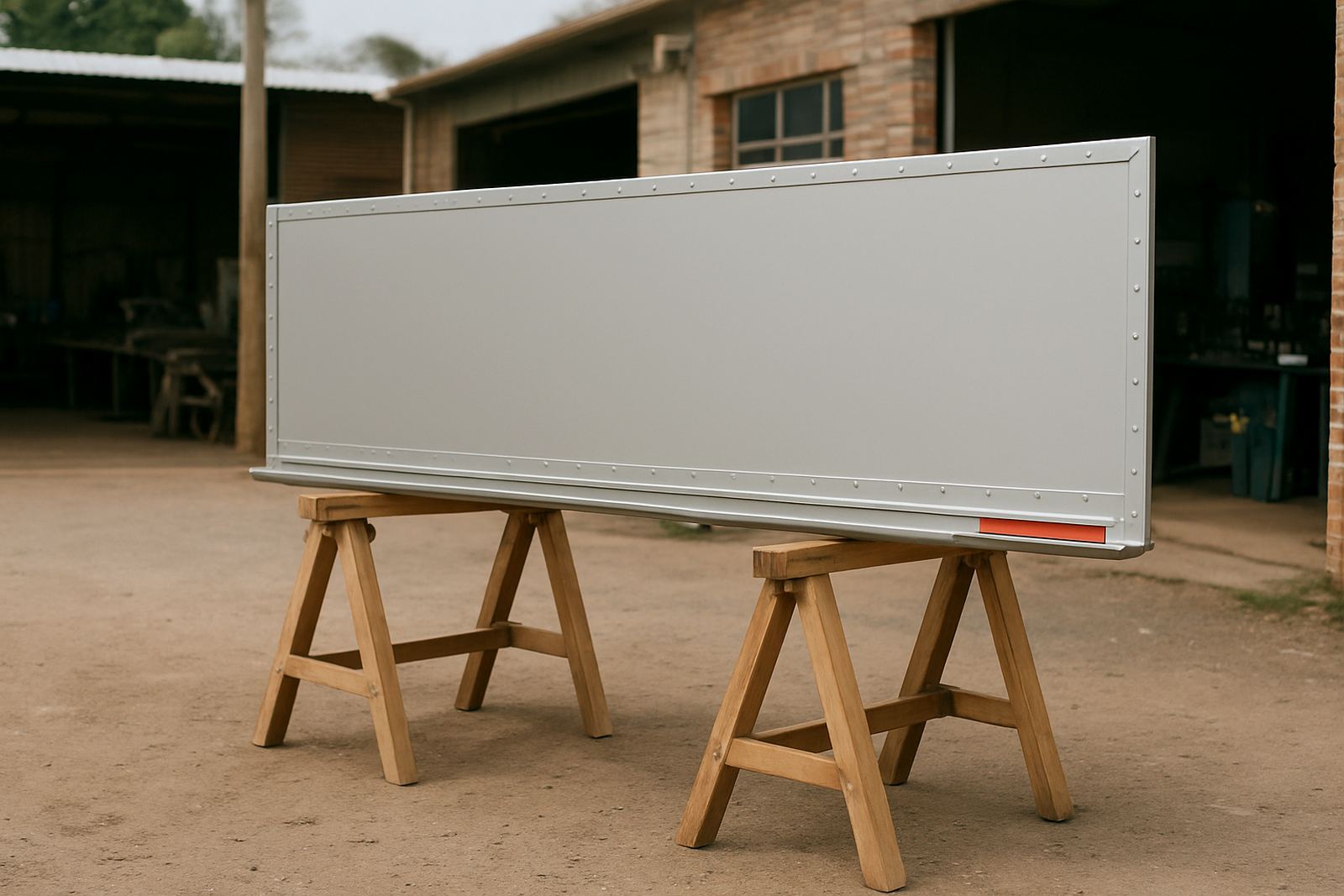
Our boards are made for real working environments in Table View, Milnerton, Blouberg, Parklands, Durbanville and across Cape Town. That means they need to handle dust, sun, coastal air and regular cleaning. Depending on where the board will be used, we can make it from aluminium composite, PVC board, acrylic, polypropylene, steel or other engineering plastics. For outdoor use we normally recommend a UV stable face, sealed edges and mounting points that will not pull out under wind load.
Common safety sign boards include hazard notices, PPE instructions, no entry boards, fire point markers, muster point boards, forklift warnings and pedestrian route signs. They are practical, simple and easy to read from a working distance.
Sizes, layouts and material options
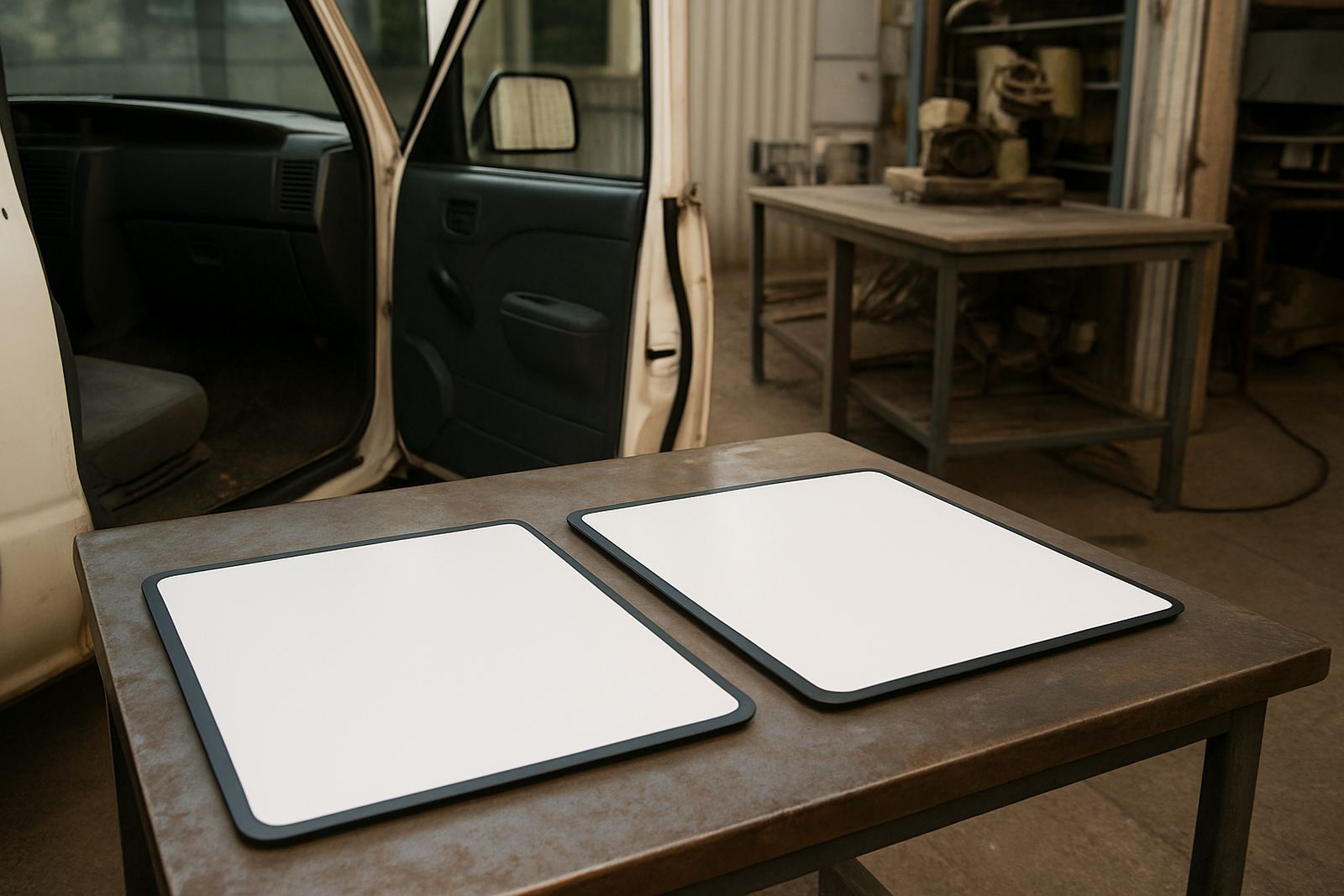
We cut boards to size from small point-of-use signs to larger entrance and boundary boards. If you already have a site standard, we can follow it closely. If not, we can set out the wording, symbols and colour blocks so the sign stays legible from the correct distance.
- Standard small boards: 150 x 200 mm, 200 x 300 mm and 300 x 450 mm
- Medium boards: 450 x 600 mm, 600 x 900 mm and 600 x 1200 mm
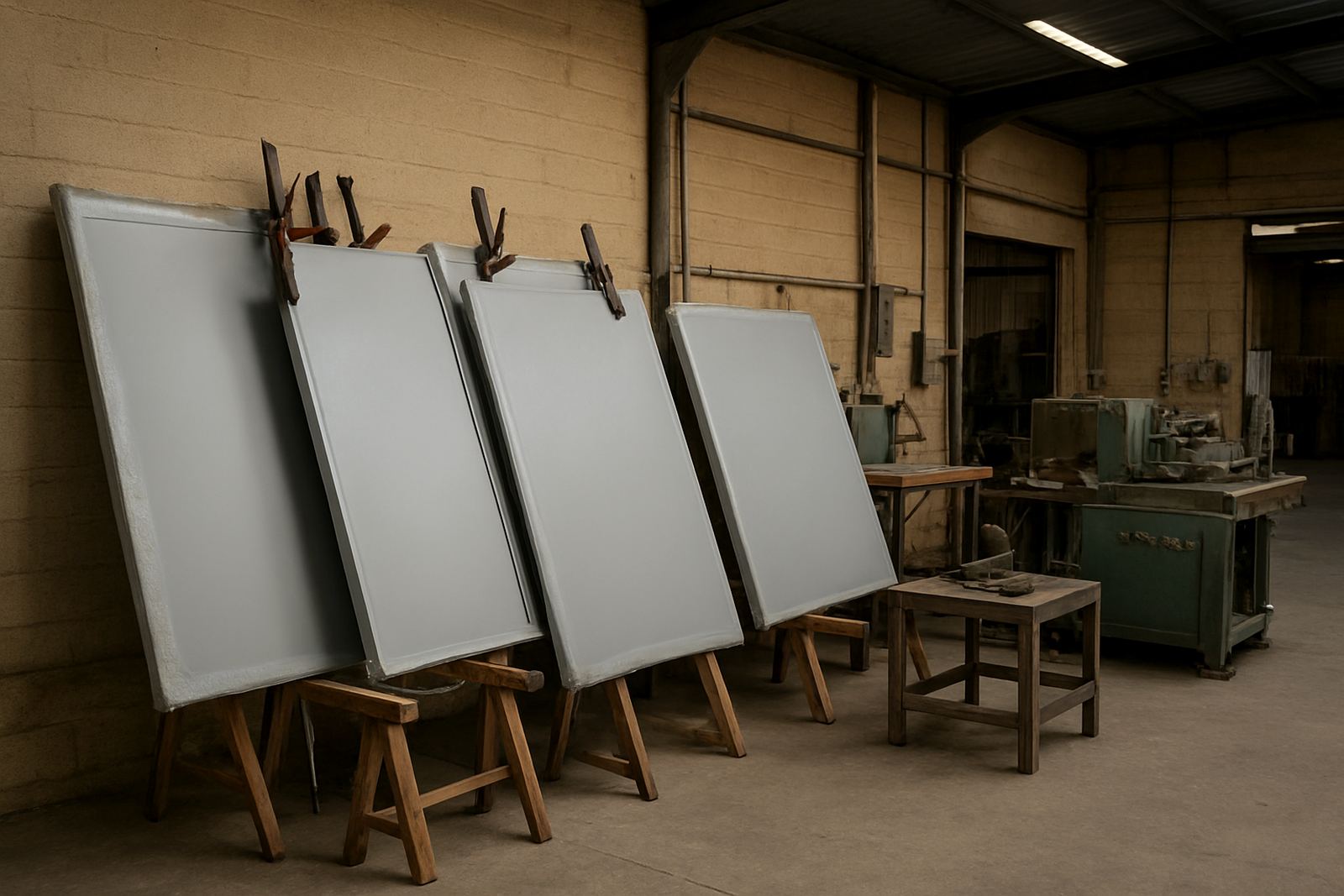
- Large site boards: 900 x 1200 mm, 1000 x 1500 mm and custom oversize formats
- Material thickness options: 3 mm, 4.5 mm, 6 mm and heavier sections where needed
- Finish options: printed face, cut vinyl, engraved face or a combination of print and cut-out symbols
For chemical stores, wash bays and damp areas, we often suggest plastic substrates or powder-coated steel frames with a replaceable face. For long outdoor runs, aluminium based boards often give the best balance between weight and lifespan. If the board must sit close to moving machinery, we can round corners and reduce sharp edges for safer handling.
Where these boards work best on site
Safety sign boards are suitable anywhere people need clear instruction and fewer mistakes. In warehouses they help with pallet traffic, racking aisles, pedestrian crossings and emergency exits. On construction sites they can mark PPE zones, scaffolding access, no smoking areas and material storage points. In factories they are used for machine guarding, lockout areas and emergency shut-off locations.
Shared business premises also need good safety board placement. Think loading bays, parking entrances, generator rooms, refuse areas, courier bays and common passages. A board placed where it can be seen before someone enters the area does more good than one tucked away after the hazard.
- Warehouses and distribution centres
- Manufacturing plants and workshops
- Building sites and contractor compounds
- Body corporate and industrial parks
- Plant rooms, gas cage areas and loading bays
- Public access points, stairwells and emergency routes
We also make boards for mixed-use properties where tenants change over time. In those cases, a practical layout with replaceable wording can save time and money later.
Mounting, installation and power or gas needs
Most safety sign boards do not need power or gas. They are passive signs, mounted mechanically and left to do their job. That said, we do make light box style safety signage where visibility is needed after dark, in low light or during load-shedding. Those units may require a standard electrical connection and should be placed where wiring can be run safely and neatly.
Installation depends on the surface and the size of the board. We mount to brick, concrete, steel, palisade fencing, cladding, timber and existing frames. For outdoor use in the Cape, we allow for wind, salt air and vibration. On coastal sites, fixings need to be chosen carefully otherwise a board can loosen too early. If the area is near a high-pressure wash or exposed to rain, we use sealed fasteners and spacing that reduces flex.
Where a board is fitted near gas cages, chemical stores or fuel points, we confirm the location before drilling or welding. Some areas need non-sparking methods, specific clearances or permission from site management. If you have a municipal or body corporate rule set, bring it through with the enquiry so we can work to it.
Our workshop in Table View handles the cutting, marking and assembly, then our team installs on site across Blouberg, Parklands, Milnerton, Durbanville, Montague Gardens and Paarden Eiland.
Care, cleaning and servicing over time
Safety boards last longer if they are washed gently and checked now and then. Dust, diesel smoke, overspray and bird mess can reduce visibility, especially on light coloured boards. A soft cloth, mild detergent and water are usually enough. Avoid strong solvents unless the face material allows it, because some cleaners will haze the print or lift the laminate.
We can service signs that have faded, been hit by machinery, lost fixings or been changed due to a new layout. In many cases the board does not need a full remake. We can replace a face panel, refresh the print, add a new symbol or remake only the damaged section. That saves downtime and keeps the site compliant.
- Check that wording is still readable at the correct distance
- Look for cracked corners, rust, fading or loose fixings
- Confirm the sign still matches the current site layout
- Replace damaged boards before they become a hazard themselves
If a board sits outdoors in full sun, expect gradual fading over time. If it sits in a factory or warehouse with dust and vibration, expect fasteners to need checking after a few months. Small maintenance checks prevent bigger replacement bills later, and they keep the site easier to manage.
What to confirm before ordering safety sign boards
When ordering safety sign boards, the details matter. We need the final wording, the size, the quantity and where each board will be used. If the board must comply with an internal safety rule, send the wording exactly as it should appear. If the sign is for a shared site, tell us who needs to see it and from what distance.
It also helps to confirm the mounting surface, whether the sign is indoors or outdoors, and whether the board should be permanent or removable. If you need multiple boards with one message repeated, we can set them out as a batch so the layout stays consistent. For larger sites, we can number boards or split them by zone.
Things to check before ordering: the correct height and width, colour contrast, hole positions, whether the board needs rounded corners, whether the face must be reflective or not, and whether any electrical lighting is required. If the sign will be installed near vehicles or moving plant, ask for a heavier material or a more protected mounting method.
Safety sign board enquiries can be sent through our contact page, where the team can gather the site and spec details. From there, Leanne and Zelda can help with the details, while Johan Petrus van der Merwe, Amogelang Sebola, Willem Smit and Musa Dlamini keep the job moving through design, fabrication and installation.
Key facts
| Product type | Rigid safety sign board |
|---|---|
| Typical sizes | 150 x 200 mm up to 1000 x 1500 mm and custom |
| Materials | Aluminium composite, PVC board, acrylic, polypropylene, steel and engineering plastics |
| Thickness options | 3 mm, 4.5 mm, 6 mm and heavier where needed |
| Mounting | Wall, post, fence, frame, cladding or gate fixed |
| Use areas | Warehouses, factories, sites, loading bays and shared premises |