When acrylic makes sense on the West Coast
Acrylic is often chosen when a job needs a tidy finish, crisp edges and a lighter panel than glass. For Table View, Milnerton and Blouberg clients it is useful because it can be cut accurately, drilled cleanly and shaped for both signage and display work. It also handles indoor use very well, which makes it a practical option for reception signs, retail displays, menu holders and protective screens.
For external use, the key question is not just whether acrylic can be used, but whether the panel thickness, fixing method and exposure are right for the site. Along the coast, wind, salt air and strong sunlight can test a poor installation quickly. A properly selected acrylic panel can still do the job well, but it must be supported correctly and allowed for expansion and movement.
- Good for illuminated signs and light boxes
- Suitable for clear covers, guards and screens
- Useful for engraved panels and branded displays
- Can be cut to size for custom fittings and inserts
Thickness, finish and colour choices that actually matter
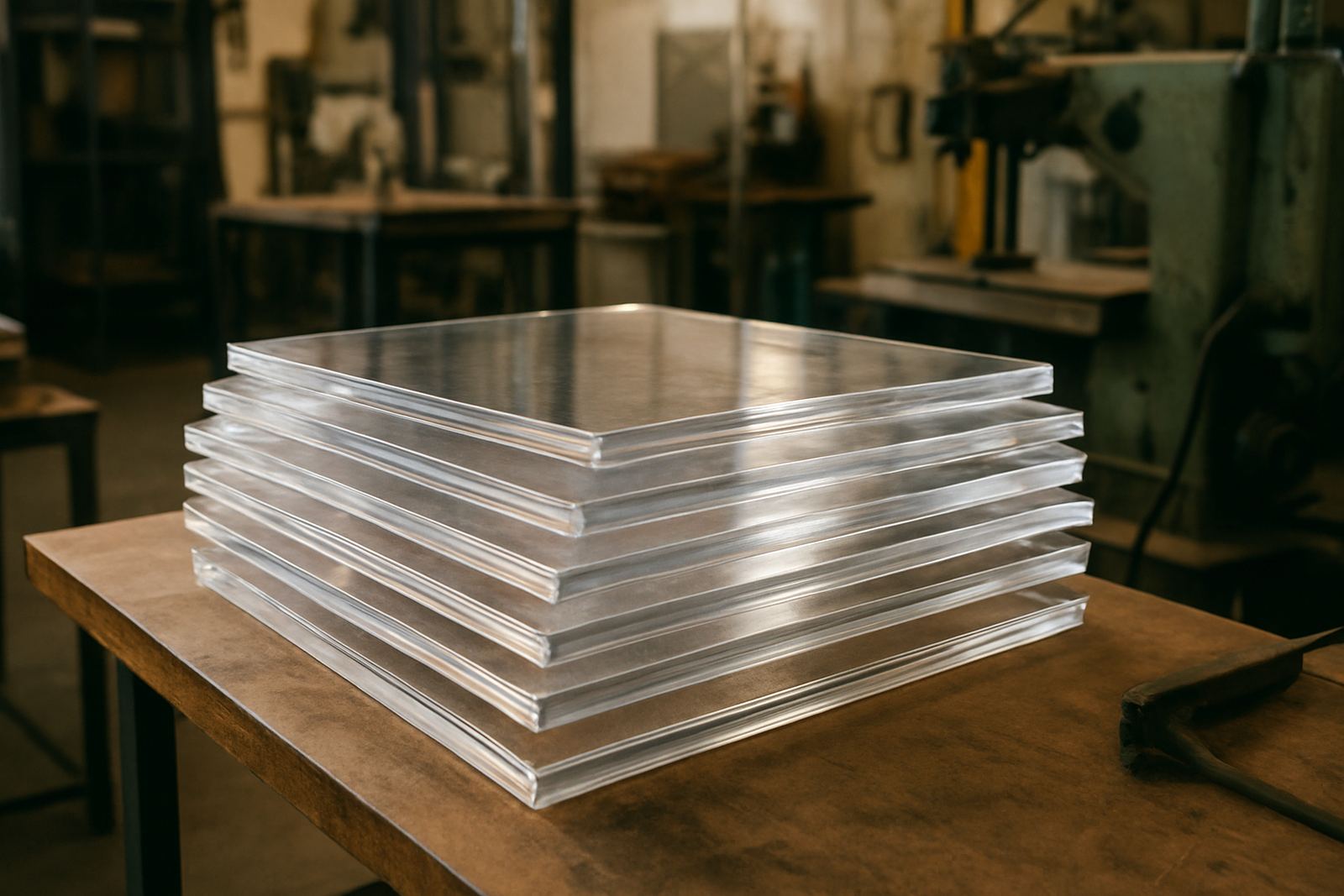
Choosing acrylic is not only about the look. Thickness affects rigidity, fixing points and how much deflection you will get on a long span. A thin sheet might suit a small internal label, while a larger outdoor panel may need a heavier grade or extra support. If the wrong thickness is used, the panel can bow, vibrate or crack around the fixings.
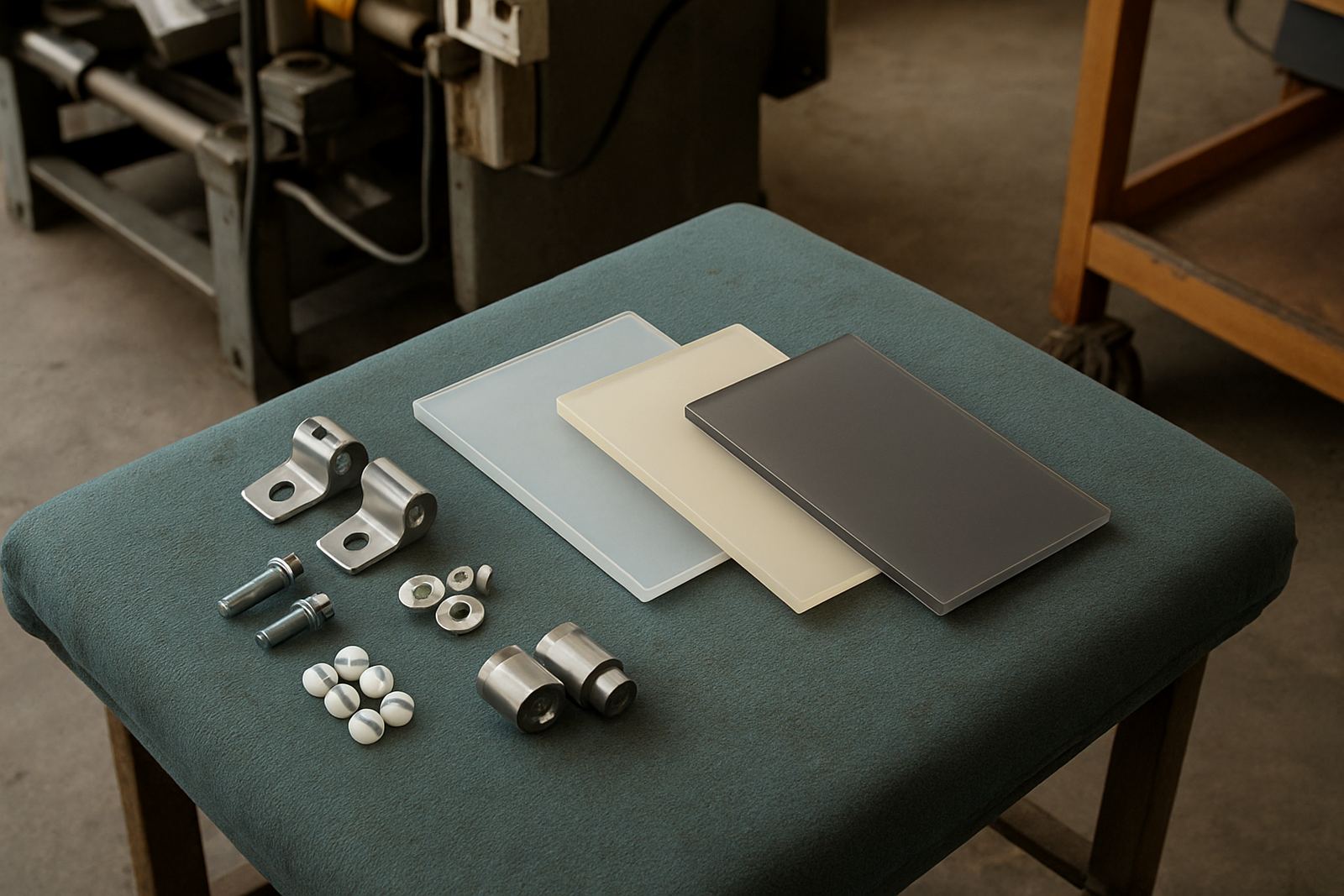
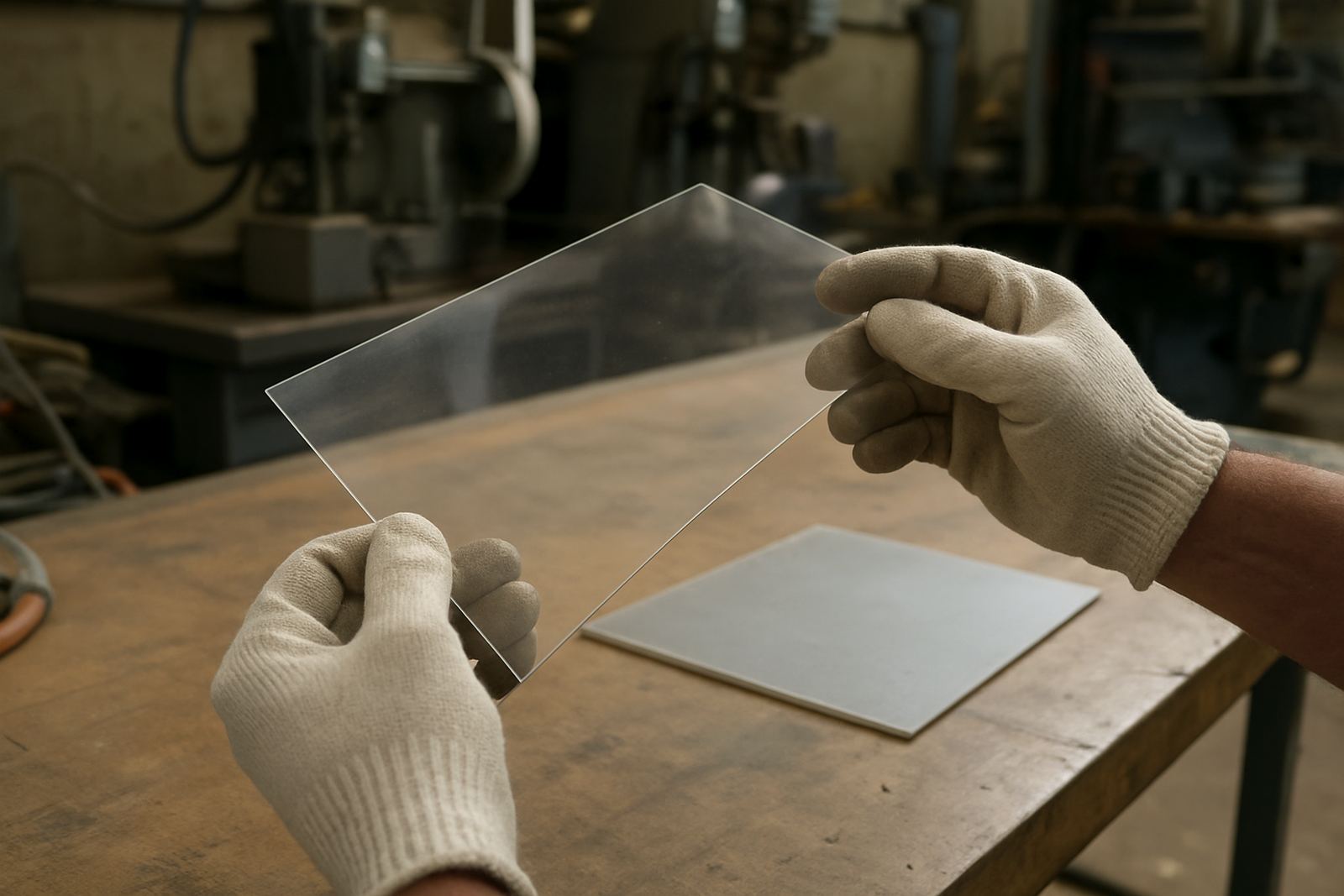
Finish also changes the result. Clear acrylic gives visibility, opal acrylic spreads light for illuminated signs and coloured sheets can be used where a brand needs a solid panel colour. Frosted or matt finishes help soften reflections, which is useful in strong Cape Town sunlight or in offices with a lot of glass. Edge polish also matters, especially where the panel will be seen up close.
- Clear for visibility and protective covers
- Opal for light boxes and illuminated faces
- Coloured sheet for brand panels and feature signs
- Matt or frosted for privacy and reduced glare
Using acrylic for signs, screens and displays
Acrylic works across a wide range of jobs when the design is kept practical. In retail it can be used for product stands, shelf strips, hanging signs and display risers. In offices it is common for direction panels, room markers and branded name panels. It is also a useful material for safety screens where clear visibility is needed without giving up protection.
For signage, acrylic is often combined with printed vinyl, vinyl lettering or routed lettering to get a clean finish. It can also be engraved for durable text on control panels, notices and identification plates. Where a sign is lit from behind, the panel must be prepared so the light spreads evenly and no hot spots show through. That part is often missed on low-cost jobs.
- Shopfront signs and internal brand panels
- Reception logos and directional signs
- Protective screens and sneeze guards
- Control labels, equipment tags and engraved plates
Why good cutting and machining changes the result
Acrylic is easy to damage if it is cut poorly. Rough edges, heat marks and stress cracks can all come from the wrong tooling or too much speed. That is why accurate CNC routing and careful finishing are important. A cleanly machined panel fits better, lasts longer and looks more professional on site.
When a client in Parklands needs a set of cut-to-size panels for a display cabinet, the measurements must be exact. A few millimetres out can mean a loose fit or a panel that will not sit square. For engineering work, this matters even more. Acrylic is used for machine guards, inspection covers and parts where visibility and repeatability are needed. In those cases, the machining has to be consistent from one part to the next.
Our workshop in Table View handles cutting, routing, drilling, engraving and final fitting for these kinds of jobs. That allows us to keep one eye on the sign and the other on the practical requirements of the part itself.
Outdoor use near the coast: what to allow for
Coastal conditions change how acrylic should be specified and installed. In Blouberg and Milnerton, wind can put strain on large panels and brackets, while salt in the air can affect some fixings over time. Sun exposure also matters because a panel that looks fine indoors may need UV consideration outdoors, especially on a west-facing wall.
Where the sign sits outside, we normally look at the following points before cutting:
- Panel size and whether it needs extra support
- Fixing type and spacing of stand-offs or brackets
- Allowance for expansion in hot afternoon sun
- Whether the panel needs UV-stable material or a protective face
- How easy it will be to clean without scratching
If the panel is part of a light box or a free-standing sign, maintenance access should also be planned from the start. A nice-looking panel is no help if a failed fitting or cracked corner means the whole unit has to come down.
A practical example for a Table View business
A local retailer in Table View may need a clear front panel for a promotional display, plus a set of engraved acrylic labels for shelving and a small illuminated sign for the window. That job can be handled from one material family, but each piece serves a different purpose. The front panel needs strength and visibility, the shelf labels need crisp engraving, and the window sign needs a face that spreads light evenly after dark.
In a case like this, the client usually wants a neat result that stands up to daily use. The display gets handled by staff, the sign sees morning sun and evening glare, and the labels must stay readable through normal cleaning. By choosing the right grade and finish up front, the final result is easier to maintain and better suited to the site. It also keeps the whole install looking orderly, not pieced together.
That is where practical experience helps. A material that looks good on paper can behave differently once it is on a wall, under lights and exposed to real traffic. Acrylic is useful because it gives enough flexibility to solve more than one problem, without making the job complicated.
How to decide if acrylic is the right material
Acrylic is a strong choice when you need clean visibility, a polished appearance and accurate cutting. It is less suitable where the panel will be hit hard, bent repeatedly or exposed to rough handling without proper support. For many signage and display jobs though, it is one of the most useful materials in the workshop because it can be adapted for simple and technical work alike.
If you are planning a sign, screen or display part, it helps to think through the job in terms of use, location and fixing. A panel for an indoor reception area has different needs from a coastal shopfront or a machine cover in a workshop. The right choice of thickness, finish and mounting method makes all the difference. In practical terms, that means fewer call-backs and a better result for the client.
For businesses across Cape Town, especially in Table View, Parklands, Durbanville and the nearby industrial areas, acrylic is often the material that gives the cleanest finish for the money. Used properly, it is neat, dependable and easy to adapt to the job at hand.