What HDPE does well in a workshop
HDPE, or high density polyethylene, is a tough engineering plastic used for parts that need low friction and steady wear resistance. It is lighter than metal, does not corrode, and handles moisture very well, which is useful near the coast where salt air can shorten the life of steel parts. For many jobs, that means less replacement and less downtime.
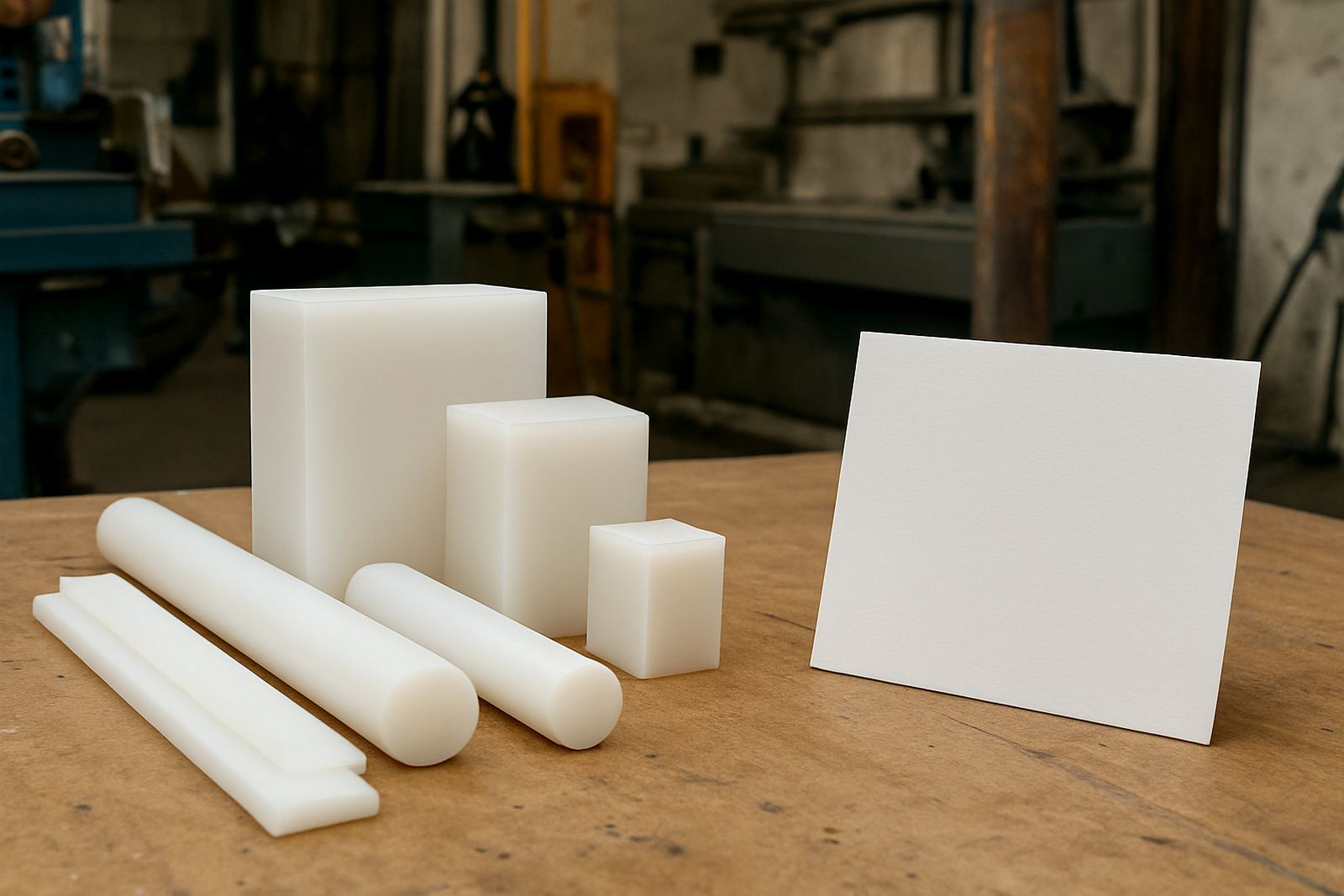
In practical terms, HDPE is often chosen for wear strips, conveyor guides, chute liners, backing pieces and simple fabricated components. It machines cleanly, holds its shape reasonably well, and can be cut to size for a specific fit. It is not the answer for every application, but when the loads are moderate and the environment is wet or abrasive, it is often a sensible material.
- Resists water absorption better than many timber based or porous materials
- Does not rust or stain from coastal exposure
- Slides well against other surfaces
- Can be machined into flat, curved or drilled parts
Where HDPE parts usually fit in
HDPE is common in systems where movement creates constant rubbing. That includes line guides, side rails, wear pads, scraper blocks and guide shoes. In fabrication work it is also used for parts that need to be strong enough for daily use, but do not need the rigidity of aluminium or mild steel. It is a good material when you need function first and polish second.
A lot of clients ask for parts because an old component cracked, warped or started binding. Often the original part was made from something that was fine indoors but not ideal for dust, moisture or repeated contact. HDPE can solve that, provided the dimensions are checked carefully and the fixing points are planned properly. Small changes in thickness or hole position can affect alignment, so measured work matters.
- Wear strips on moving equipment
- Guides for product flow or packing lines
- Spacer blocks and support pads
- Machine guards and non structural covers
- Chute liners for abrasive material
How to know if HDPE is the right material
HDPE performs best where the part sees sliding contact, light to medium impact, and regular moisture. It is less suitable where there is high heat, very heavy point loading, or the part must stay perfectly rigid under strain. If a component needs to carry serious structural load, steel or another material may still be the better option.
A practical way to judge it is to look at the failure pattern. If the old part wore thin, absorbed moisture, seized up, or rusted around the fixings, HDPE may be a better fit. If it cracked because the load was too high or the mounting points were wrong, the design may need to be adjusted before any material is selected. That is where workshop experience counts, because the material choice and the geometry go together.
- Good for wet, dusty or washdown areas
- Useful where low friction matters
- Not ideal for high temperature parts
- Needs proper support if the span is long
Machining and cutting HDPE to size
HDPE can be cut, drilled, routed and shaped with standard workshop equipment when the feeds and speeds are set correctly. A neat finish depends on sharp tooling and accurate setup. If a job needs a square edge, repeatable holes or a smooth slot, the workshop should measure from a fixed reference point and test the first piece before cutting the full batch.
For replacement work, exact sizing is important. A 2 mm difference on a guide strip can cause drag, and a hole that is slightly off can throw out alignment. In many cases we machine HDPE from sheet or block form so the final part suits the machine or installation rather than forcing the equipment to suit the part. That saves time later, especialy when the item has to be fitted in a tight space.
- Cut to size for replacement parts and small runs
- CNC routing for accurate profiles and repeated shapes
- Drilling and slotting for fixing points
- Engraving where identification or labelling is needed
Local conditions that affect HDPE performance
In Table View, Milnerton and the surrounding Cape Town areas, equipment often deals with salt air, windblown dust and changes in temperature through the day. Those conditions can be hard on painted steel, timber and some general purpose plastics. HDPE stands up well because it does not absorb water and is not affected by corrosion in the same way.
For businesses near the coast, that can mean fewer surprises during the winter months when moisture hangs around longer. It also helps in washdown environments where parts are regularly cleaned. Still, the material should be selected with the job in mind. Sun exposure, clamping pressure and the type of contact surface all matter. A simple wear strip in a sheltered area behaves differently from a guide on an outdoor loading setup.
One local example is a small processing line in Parklands that kept chewing through timber guide pieces after every wet spell. Switching to HDPE cut the swelling problem and kept the line running more steadily. The fix was not complicated, but it did need accurate measuring and proper fixing positions so the guides did not creep under use.
What to ask for before fabrication starts
When ordering HDPE parts, the more detail you can give, the better the result. A photo helps, but measurements, fixing details and a short note on how the part is used are just as important. If a component is part of a moving system, the direction of travel and contact surfaces should also be noted. That information reduces guesswork and prevents wasted material.
For replacement work, it is worth bringing the old part in if possible. Even a worn sample can show the original shape, hole spacing and edge profile. If the part is broken, a full set of dimensions and a sketch are usually enough to start. It also helps to mention whether the part will see heat, sunlight, chemicals or repeated impact, because those factors can change the recommendation.
- Overall length, width and thickness
- Hole positions, slot sizes and edge breaks
- How the part moves or carries load
- Whether it is indoors, outdoors or in a washdown area
- If the part must match an existing assembly exactly
A practical note on maintenance and replacement
HDPE parts are usually straightforward to maintain. Regular checks for wear, loosening fixings and misalignment are often enough to keep them working. If a part begins to groove deeply or distort, it is usually better to replace it before it damages the shaft, rail or housing it sits against. That small bit of timing can prevent a much larger repair.
For businesses in Cape Town and nearby industrial areas, we often see the same pattern: a worn plastic part gets ignored until the next stoppage, then the whole line takes longer to restart. Keeping a spare set of cut to size parts on site can reduce that pressure. It is a simple step, but it matters when production schedules are tight and the weather is not helping.
HDPE is not a miracle material, but it is a very useful one when selected properly. For wear strips, guides and fabricated components, it gives a good balance of price, durability and easy machining. Used in the right place, it saves time, and that is usually what matters most.