Why one vehicle style is not enough for a growing fleet
A single branded bakkie can look tidy on its own, but once you add a second or third vehicle the gaps show fast. Different shades of vinyl, mismatched logo sizes, uneven placement and mixed messaging make a fleet look pieced together rather than planned. That matters because people see your vehicles in traffic, at client sites and parked outside shops long before they speak to your team.
In the Cape Town area, vehicles also face strong sun, salt air near Blouberg and regular stop-start driving on busy roads. If one van has faded graphics and the other still looks sharp, customers notice. A consistent approach keeps your name easy to recognise and gives the impression that your operation is organised, careful and ready for work.
For businesses with service vehicles moving between Table View, Milnerton and Parklands, consistency also saves time later. When the same layout is repeated, it is easier to replace a damaged panel, update a phone number or add another vehicle without changing the whole look.
Plan the fleet before the first panel goes on
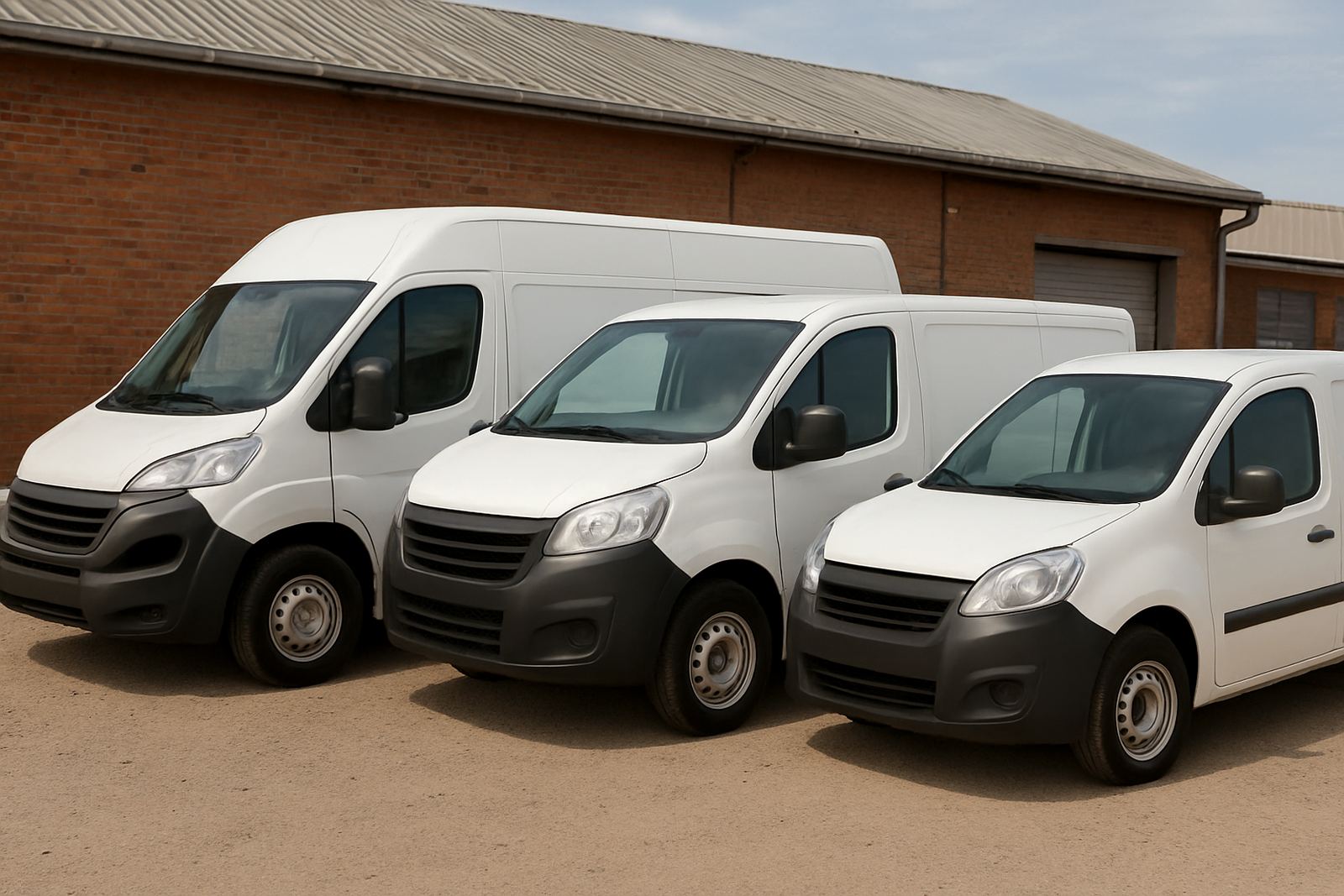
Good fleet branding starts with a simple system. Decide on the core elements that must stay the same across every vehicle, then allow only small changes where needed for different body shapes. A panel van, single cab and hatchback all have different usable spaces, so the layout must be adapted without losing the overall look.
- Fix the logo position and size for each vehicle type
- Choose one colour set and one font family for all fleet units
- Standardise contact details, web address and service wording
- Allow for door handles, fuel caps, windows and body lines
- Leave space for future additions such as service areas or compliance text
It also helps to think about visibility at 60 km/h, not just at a standstill. A clean side panel with bold lettering is often more useful than overloading the vehicle with too much copy. In heavy traffic around Paarden Eiland or on Koeberg Road, people have only a few seconds to read it.
How materials and installation affect long-term consistency
Consistent branding is not only about design. The same artwork can look very different if one vehicle gets a low-grade wrap and another gets proper prep, measured application and accurate finishing. Door edges, curved panels and bonnets need careful handling so the final result stays aligned from one vehicle to the next.
We work with vehicle branding for fleets that need to hold up under local conditions, including coastal humidity, heat and frequent washing. That means surface preparation, accurate cutting and installation that takes account of panel movement and vehicle use. If a fleet travels between industrial areas and residential streets, the finish must keep its shape and colour over time.
For mixed fleets, consistency often depends on choosing the right method for each unit. Some vehicles suit full wraps, others only need partial branding or magnetic panels. What matters is that the identity stays uniform even when the application method changes.
The practical benefits for operations and customer trust
A consistent fleet does more than look neat. It makes the business easier to manage and easier to trust. Drivers know which vehicle belongs to which route, managers can track branded assets more easily, and customers can identify the correct vehicle when it arrives on site.
- Better brand recognition across suburbs and industrial routes
- Cleaner handover when vehicles are rotated or reassigned
- Fewer delays when maintenance or repairs affect one unit
- Stronger first impression at commercial and residential addresses
- Clearer message for compliance, access control and site security
There is also a simple commercial angle. A vehicle that looks the same as the rest of the fleet reinforces the idea of scale and order. For a business serving Blouberg, Durbanville and Cape Town, that can help win trust with property managers, contractors and procurement teams who want reliable service.
A local example from Table View to Durbanville
A plumbing or service company running three vehicles across the northern suburbs needs more than a logo on the doors. One bakkie may spend the day in Table View, another in Milnerton industrial areas and the third on routes into Durbanville. If each vehicle has a different layout, different colour patching or different contact details, the brand loses impact quickly.
With a consistent system, each vehicle carries the same identity, even if the panel sizes differ. The logo lands in the same position where possible, the wording stays brief and readable, and the colour block remains recognisable from a distance. That way the fleet looks like one business, not three separate jobs. Small detail, big difference.
We often see the benefit most clearly after a vehicle is replaced. If the branding system is already set, the new unit can be matched without guesswork, so the fleet keeps its shape and the team stays visible from day one.
What to keep consistent when your fleet changes over time
Vehicles change, but the brand should stay steady. A clear fleet standard makes it easier to update the fleet without starting from scratch each time. That is especially useful when a business adds another van, replaces a damaged vehicle or changes its service area.
- Keep one master layout for each vehicle type
- Use the same colours and print finishes throughout
- Hold the same safety markings where required
- Match the size and placement of logos and contact details
- Review fading, peeling and stone chip damage during routine maintenance
If your fleet works near construction sites, industrial yards or busy municipal areas, it may also need safety wording or reflective elements that align with site rules. A consistent approach lets those requirements fit into the branding rather than sitting awkwardly on each vehicle. That keeps the fleet practical and presentable at the same time.