
What privacy film is meant to do in a real workplace
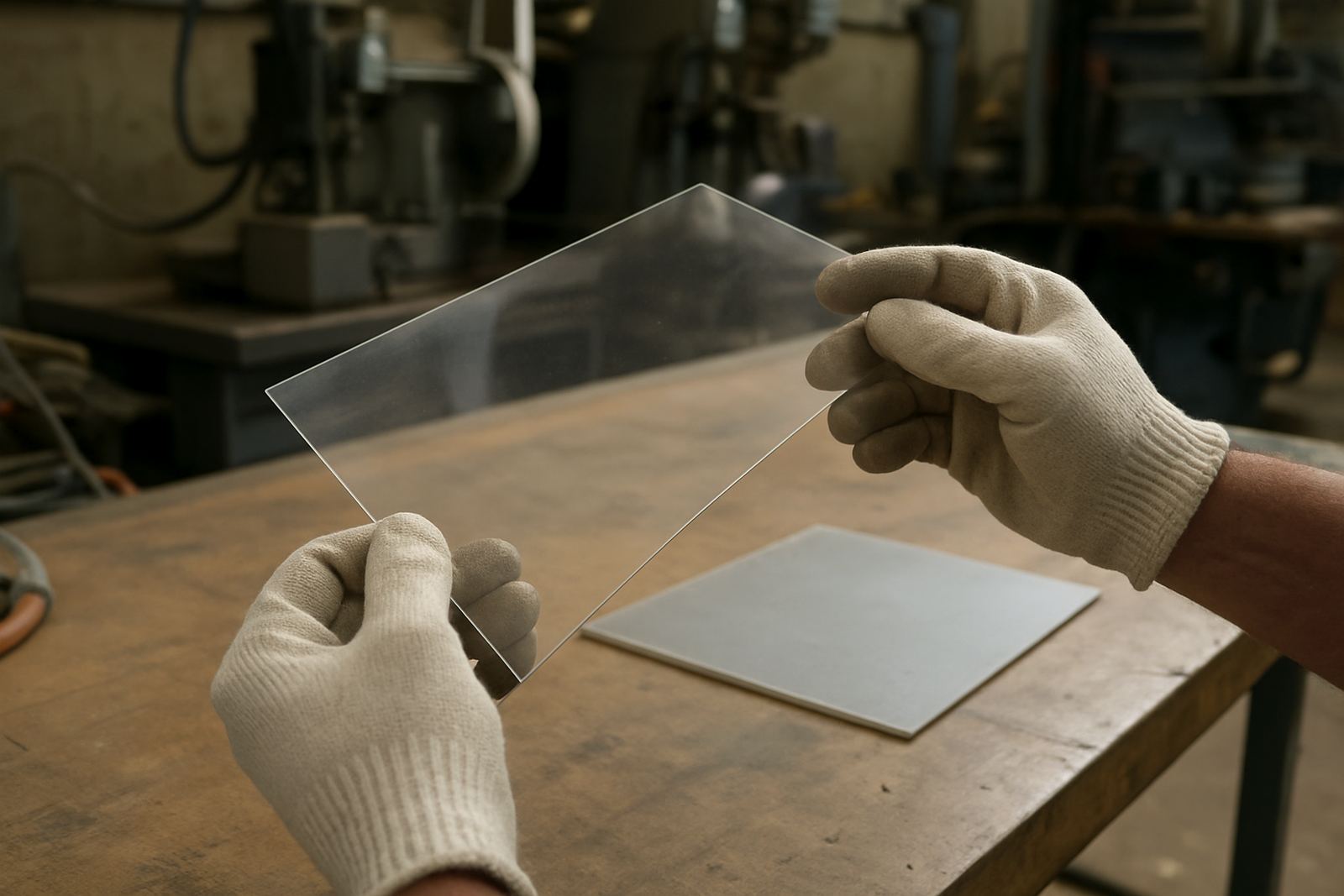
Privacy film changes how much people can see through a window, but it also changes how the room feels to work in. In offices, reception areas, clinics, studios and street-facing shops, the best film depends on whether you need full screening, partial screening or just a softer view into the space.
Some films are made to stop direct sight lines from outside during the day. Others work by diffusing light so the glass looks frosted or textured. A few are designed to reduce solar gain at the same time, which matters in Table View and Blouberg where west-facing glass can get hot in the afternoon and the sun bounce off nearby paving and vehicle parking areas.
- Full privacy for meeting rooms, toilets and change areas
- Partial screening for reception counters and ground-floor offices
- Glare control for computers, point-of-sale counters and display areas
- Heat reduction where windows take strong afternoon sun
Frosted, patterned and tinted film each suit a different job
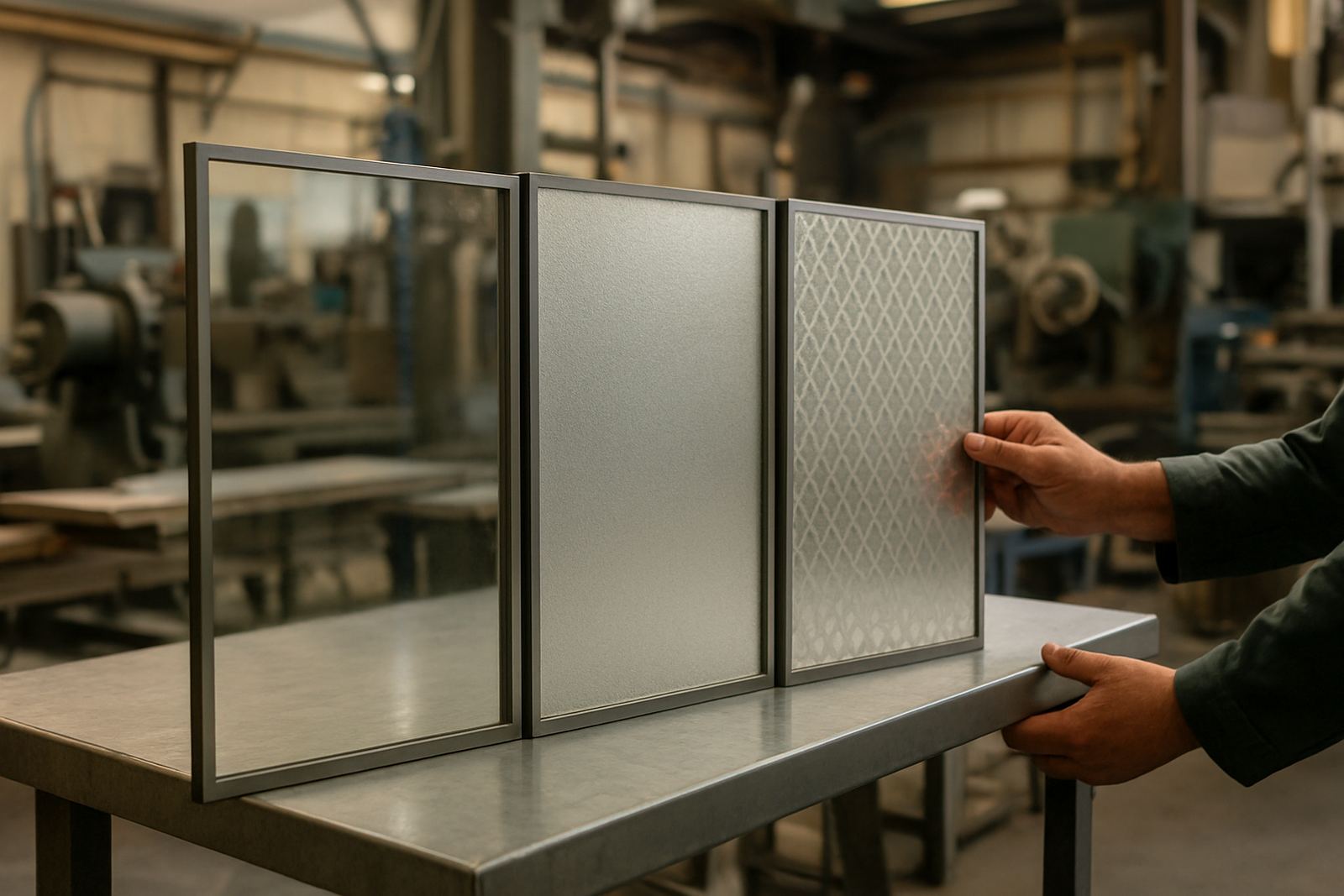
Frosted film is the most common choice when the goal is to blur shapes and stop clear views in and out. It gives a neat, clean finish and works well on internal glass partitions, front doors and lower window panels. Patterned films can do a similar job but add a decorative effect, which suits client-facing spaces that still want light.
Tinted film is different. It may cut glare and reduce heat, but it does not always give proper privacy at night when indoor lights are on. That is where many people get caught out. A window can look private from the street in daylight yet turn transparent once the office lights are on after load-shedding and the generator or inverter kicks in.
- Frosted film: best for consistent privacy and a professional look
- Patterned film: useful where style matters as much as screening
- Tinted film: better for glare and heat than for full privacy
- Reflective film: strongest daytime screening, but it can look mirror-like outside
Where privacy film works best in Table View and surrounds
We see the most demand for privacy film in ground-floor offices, small medical rooms, estate agencies, salons and business premises with street exposure. In Parklands and Milnerton, many sites have large glass fronts, which means privacy can be sorted without replacing the glazing. For businesses near busy roads or foot traffic, film can make the inside feel calmer and more secure.
It also works well in shared buildings where you need separation between staff areas and client areas. A frosted band across the lower half of a window can protect privacy while still keeping the top section open for natural light. In Durbanville and Montague Gardens, that approach is often enough for admin offices and storage rooms that face parking areas or loading bays.
- Reception areas where visitors should not see deep into the office
- Consulting rooms and treatment rooms
- Lower window sections facing pavements or parking
- Glass doors where people often walk past at close range
Day privacy is not the same as night privacy
This is the point that catches many business owners. A film that gives good privacy in daylight may not hold that same privacy after dark. Once the interior lights are on, the balance changes and people outside can sometimes see far more than expected. If your office stays open late, or if you work during winter when it gets dark early, this matters a lot.
For better night-time privacy you may need a denser frosted finish, a combination film, or a design that covers the full height of the glass. Where the room needs both privacy and branding, etched-style film can be cut with logos, wording or striping so the glass still looks intentional rather than covered over. That is often better than trying to force one film to do everything.
In coastal areas around Blouberg and Table View, constant humidity can also affect how a window feels visually over time, especially where the glass sits near salt air and morning condensation. Good preparation and correct fitting help the film stay tidy and keep the edges from lifting.
What to check before you fit privacy film
Before fitting, think about the window direction, the time of day the space is used and whether the glass is plain, tinted or already treated. Some films are not suitable for every glass type, and a wrong match can lead to stress marks or poor adhesion. On busy sites, it is also wise to plan installation around trading hours so staff and customers are not disrupted.
We usually look at the window height, access, cleaning needs and whether the area will face sun, traffic or both. If the film is going onto a shopfront in Cape Town, the finish should still look neat after regular cleaning and exposure to dust, sea air and occasional municipal water restrictions that make every cleaning routine more measured than before.
- Check what the room is used for, both day and night
- Confirm the glass type before choosing the film
- Measure for full coverage or partial bands
- Decide whether branding or wording should be included
- Allow for cleaning access and future maintenance
A local example from a busy street-facing office
A Table View office with a street-facing meeting room had a common problem: passers-by could see straight in during the day, and the afternoon sun made the room uncomfortably bright. The owners wanted privacy without losing too much daylight because the room was used for client meetings and short internal catch-ups.
A frosted privacy film was fitted across the full lower section of the glass, with a cleaner top section left open for light. That gave the room a calmer feel, reduced glare on screens and made the inside look more organised from the road. The staff also noticed less distraction from people walking past, which made the room easier to use for focused conversations.
For businesses in Blouberg, Parklands and Milnerton the right film usually comes down to three things: how much you want people to see, when the room is used and how much sun hits the glass. Get those three right and the result is practical, not just decorative.