
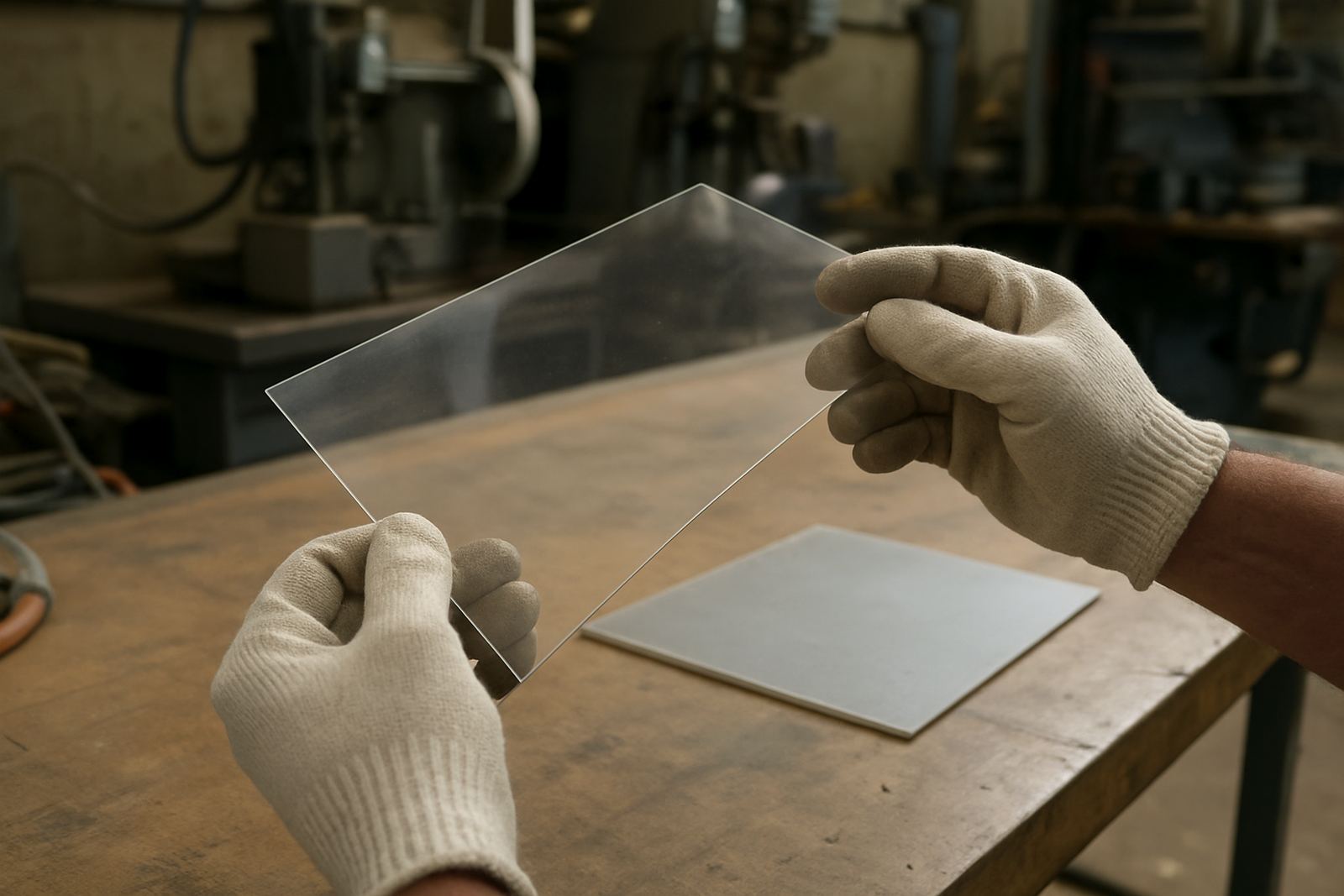
When a clear cover must take a hit
Polycarbonate suits jobs where glass would be too brittle and acrylic could crack too easily. It is commonly used for safety guards, machine windows, splash shields and protective covers over controls or moving parts. In a busy workshop or shopfront, the sheet needs to handle knocks, vibration and the odd rough clean without failing.
That is why we often recommend it for areas where people work close to machinery or where a cover is exposed to trolley bumps, tools or shifting stock. In a coastal area like Table View the material also holds up well when fitted properly and sealed against dust and moisture.
- Machine guards where visibility matters
- Clear shields for counters and service points
- Protective covers for displays and instruments
- Panels for plant rooms and access doors
Why polycarbonate is chosen over glass or acrylic
The main reason is impact resistance. Polycarbonate can absorb a heavy knock that would shatter glass or split a more brittle plastic. It is also lighter, which makes handling and installation easier on site. That matters when the sheet is being mounted above equipment or on a large opening where weight becomes a factor.
It is not the answer for every job though. If the panel will sit in direct sun all day, UV protection needs to be checked. If the cover must resist chemicals, heat or frequent scraping, the sheet thickness and fixing method matter just as much as the material itself. A good result comes from matching the sheet to the actual duty, not just choosing the clearest option.
- Higher impact resistance than standard acrylic
- Lighter than glass for easier fitting
- Can be cut, routed and drilled to size
- Suitable for complex shapes and fixing holes
Common workshop and industrial uses around Cape Town
In the Table View and Milnerton area we see a steady need for clear covers in engineering workshops, retail back-of-house spaces and light industrial units. During load shedding, some clients also need protective covers that make it easy to access controls, switches and indicators quickly when lights are out and power returns.
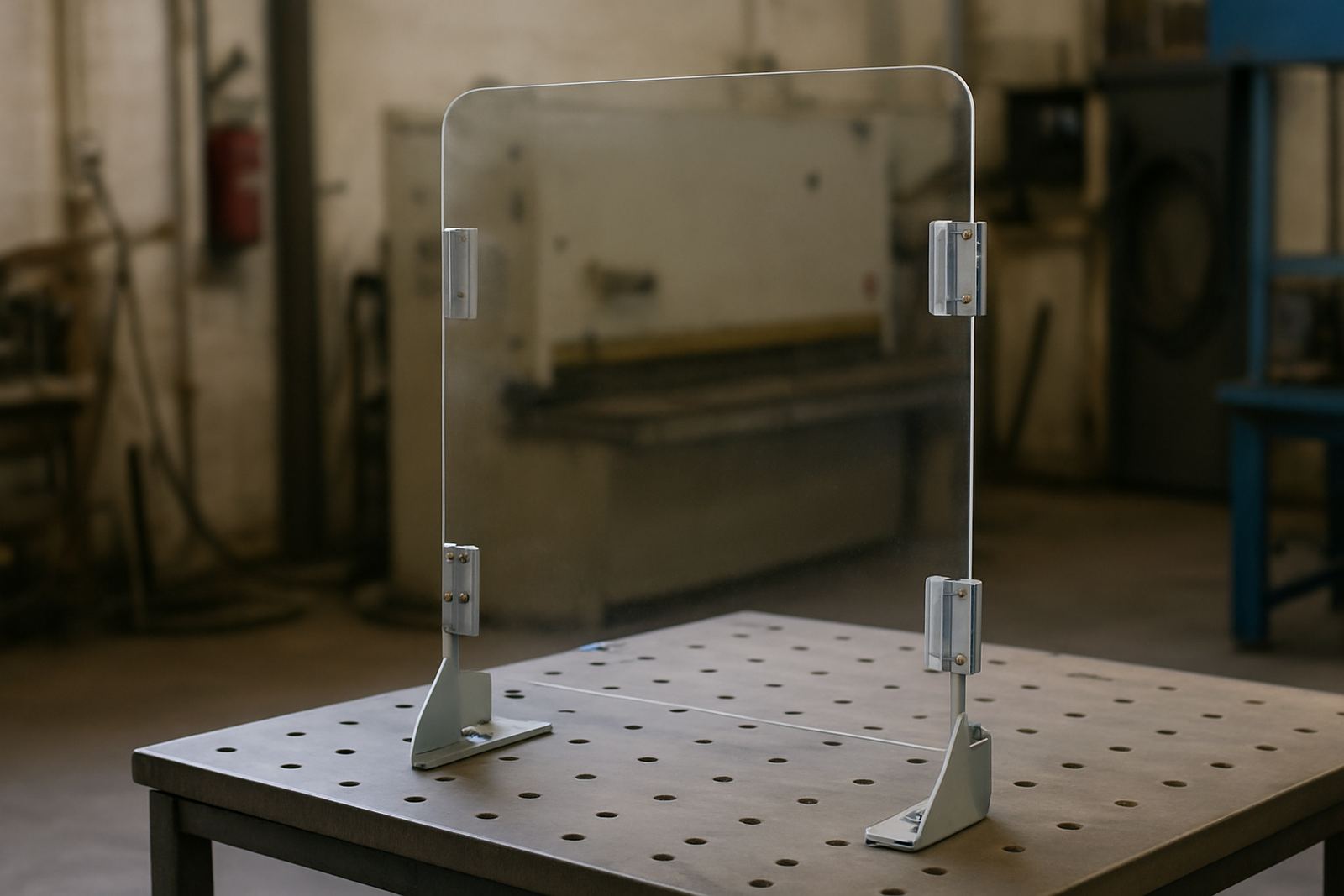
Typical uses include guards over saws, covers for electrical panels, splash shields near wash-down points and viewing windows on equipment enclosures. A local example would be a Parklands fabrication shop needing a clear hinged guard over a cutting area so operators can see the process while staying protected from debris. For a Durbanville depot, a thick cover over a control box may be better than a painted steel lid because staff can check the display at a glance.
Where a space is open to windblown dust or salt air, the edges and fixings need proper finishing. Otherwise even a strong sheet can start looking untidy sooner than expected.
Getting the thickness and finish right
Sheet thickness depends on what the panel must do. A small internal shield does not need the same build as a full machine guard or large cover over moving parts. Too thin and it flexes. Too thick and it becomes awkward to handle, especially on a wide panel that must open or be removed for cleaning.
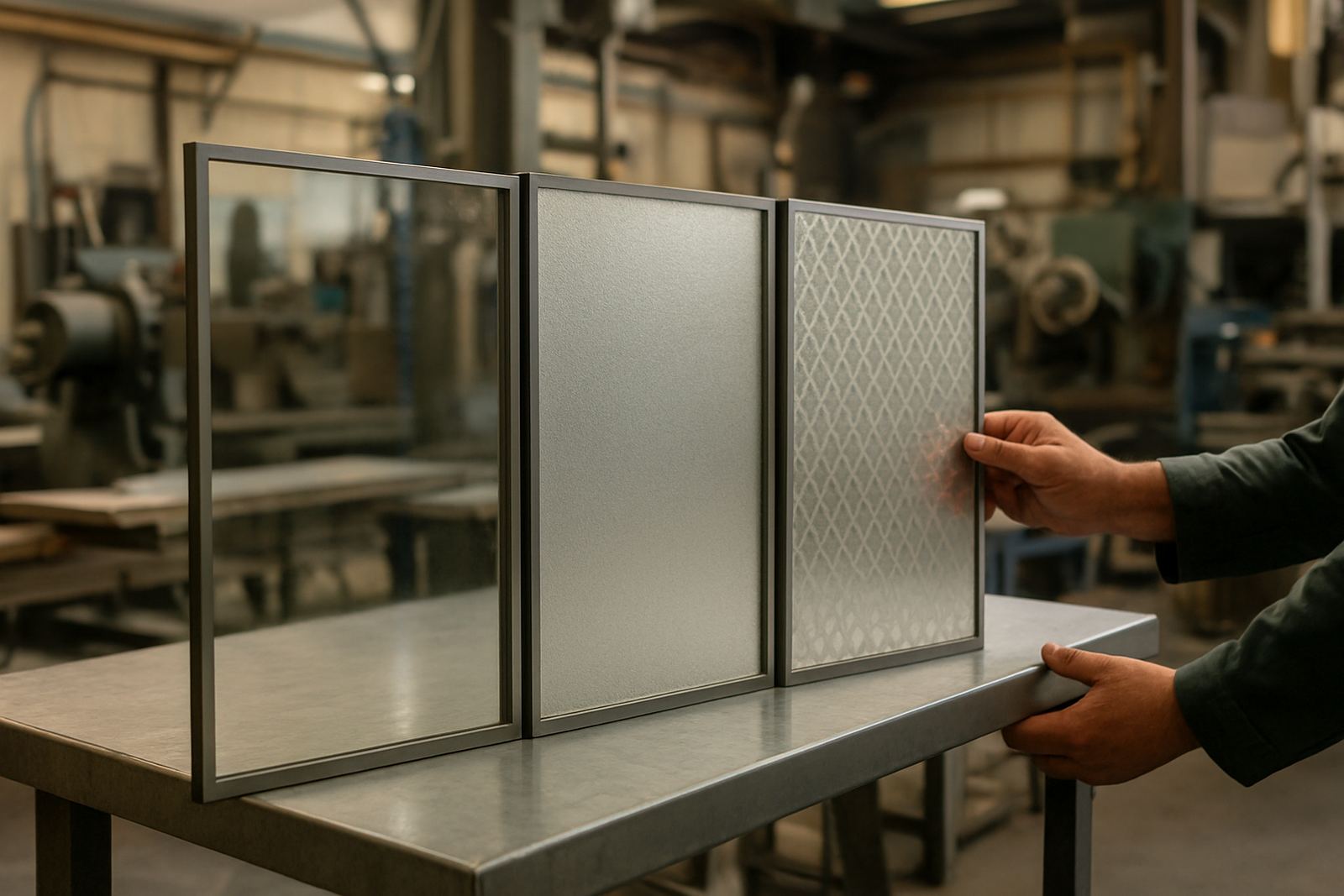
We normally look at span, fixing points, heat, impact risk and whether the item must be clear, tinted or frosted. In many cases the better solution is not just a flat panel but a cut-to-size part with rounded corners, drilled holes and a neat edge finish. That reduces stress points and helps the part last longer.
- Light duty covers for displays and signage components
- Medium duty guards for counters and work areas
- Heavy duty panels for machinery and enclosures
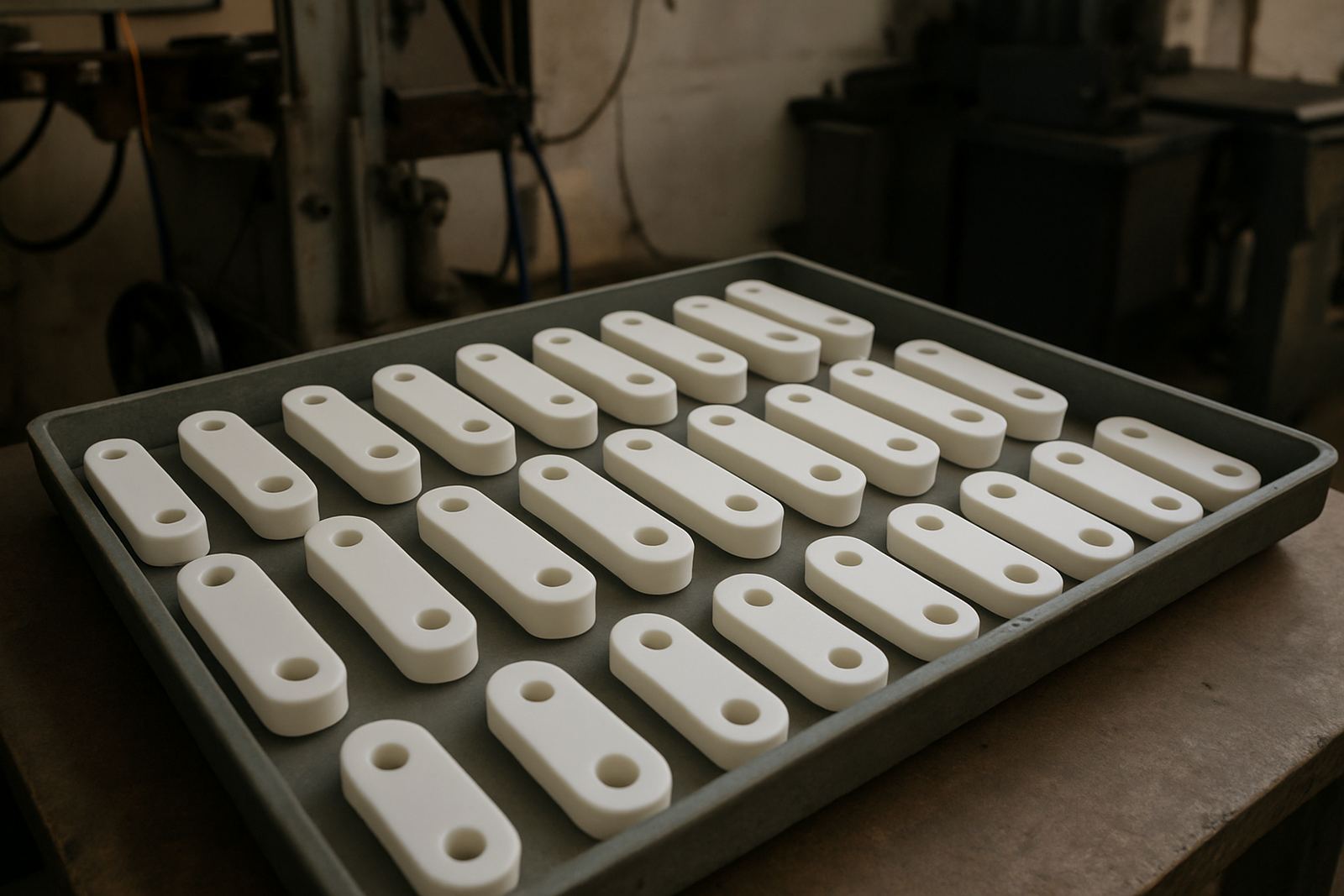
- Custom cut parts with holes, bends or slots as needed
Fabrication details that make the difference
Polycarbonate is only as good as the way it is processed. Poor cutting can leave rough edges, and badly placed holes can cause cracking over time. In our workshop we use CNC routing and careful finishing to keep dimensions accurate, which is important when a panel must align with hinges, brackets or lock points. Small errors are expensive on site, because a guard that does not fit slows down the whole job.
Fixings also need thought. Rubber washers, spaced brackets and correct screw pressure help avoid stress around the holes. If the panel must be removed for cleaning, the fittings should be simple enough for staff to manage but secure enough for daily use. That kind of detail is what keeps a cover safe instead of becoming a nuisance.
Practical advice for businesses before ordering
Before you choose polycarbonate sheets, work through the actual conditions at the site. Is the part indoors or outdoors? Will it face direct sunlight, heat from motors or regular cleaning chemicals? Is the risk impact, scratches or just dust? Those answers guide the thickness, fixing style and finish better than a guess from the office.
It also helps to measure the opening properly and allow for movement. South African sites are not always perfectly square, and a sheet that is cut exactly to a rough opening may bind or rattle once fitted. If the part needs engraving, labelling or a warning notice on the same panel, it is best to plan that early so the final item is neat and easy to use.
For businesses across Blouberg, Parklands, Montague Gardens and Cape Town, a well-made polycarbonate cover can reduce damage, improve visibility and save replacement costs. It is a practical material when the job calls for strength without losing sight of what is behind the panel.