Choosing the right material starts with where the sign will live
Indoor signage is not one-size-fits-all. A reception logo panel has different needs from a corridor direction sign, and both are different again from a safety notice in a workshop or public foyer. The best choice depends on how close people stand to it, how often it gets touched, and whether it will sit in bright light from windows or under strong interior lighting.
In Table View and across the Cape Town area, many offices have glazed fronts and open-plan interiors. That means the sign material must stay flat, clean and easy to maintain. If a sign is going into a space with air conditioning, sea air drifting in from the Blouberg side, or frequent cleaning with cloths and spray cleaners, the finish matters as much as the face material.
For neat indoor work, we usually look at three questions first: what is the sign for, how long must it last, and how much handling will it get. Once that is clear, the right material becomes much easier to choose.
Acrylic gives a clean modern finish for offices and reception areas
Acrylic is one of the most common indoor sign materials because it gives a sharp, professional look. It can be cut to shape, engraved, layered with vinyl graphics, or mounted with stand-off fixings to create depth. When used well, it suits reception walls, meeting rooms, suite numbers and directional signs in office parks.
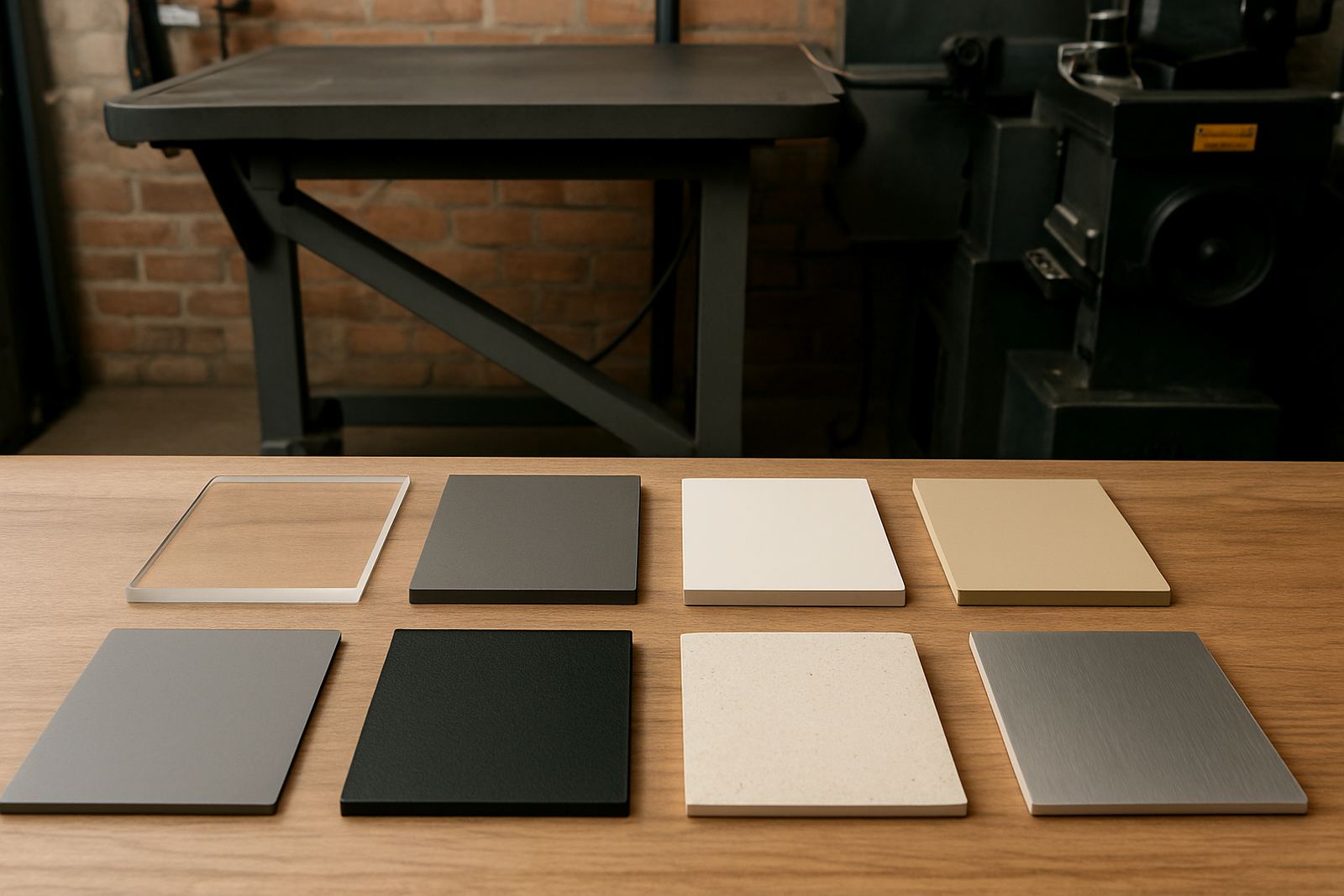
It is also easy to clean with a soft cloth, which helps in areas where fingerprints are likely. Clear acrylic can be used with printed graphics, frosted film or painted backing, while coloured sheets can be cut for stronger visual contrast.
- Good for reception logos and branded wall signs
- Suitable for indoor directional signs and room labels
- Works well when layered for a premium look
- Best kept out of direct impact areas unless it is thicker material
If a sign is likely to be bumped by trolleys, bags or regular foot traffic, ask for a thicker sheet or consider a different substrate. Acrylic looks neat, but it must be specified correctly for the space.
Foamex and similar boards are practical for light, flat signage
Foamex style boards are useful when the sign must stay light, flat and cost effective. They are commonly used for temporary notices, event signage, internal health and safety boards and wall-mounted graphics. They can be printed, laminated and cut to size without adding much weight to a wall.
For indoor areas where the message may change from time to time, this is often a sensible option. It is also handy for businesses that need several signs made for different rooms or departments without turning the project into a major installation. In a busy office or a shared building, it helps when each sign is simple to replace or update.
- Useful for short to medium term indoor displays
- Light enough for many wall fixings
- Easy to print with text, symbols and arrows
- Suitable for budget conscious rollouts across multiple rooms
These boards are best kept away from damp walls and areas where cleaning water may run onto the edges. If the space has moisture issues, sealing the edges properly is worth asking about.
Aluminium composite and metal finishes suit high traffic public areas
Where a sign needs a firmer feel and longer life, aluminium composite or metal-faced materials are often the better choice. They are useful in foyers, hospitals, schools, body corporate buildings and public counters where a sign must stay straight and easy to read for years. They also handle frequent cleaning better than lighter board materials.
These materials suit engraved plates, directional panels and durable notice boards. They can be brushed, powder coated or finished with printed graphics depending on the look required. In spaces that get strong light from glass doors or side windows, a matte finish can help reduce glare.
For businesses in Montague Gardens or Paarden Eiland with more industrial interiors, these materials often make sense because they tolerate regular use and do not look tired quickly. The same applies where indoor signage needs to match a more structured environment, such as workshops, admin blocks or logistics offices.
- Better for long term use in busy areas
- Good for engraved text and durable wayfinding
- Less likely to warp than lighter boards
- Works well in matte or brushed finishes to limit glare
Engineering plastics are ideal when strength and precision matter
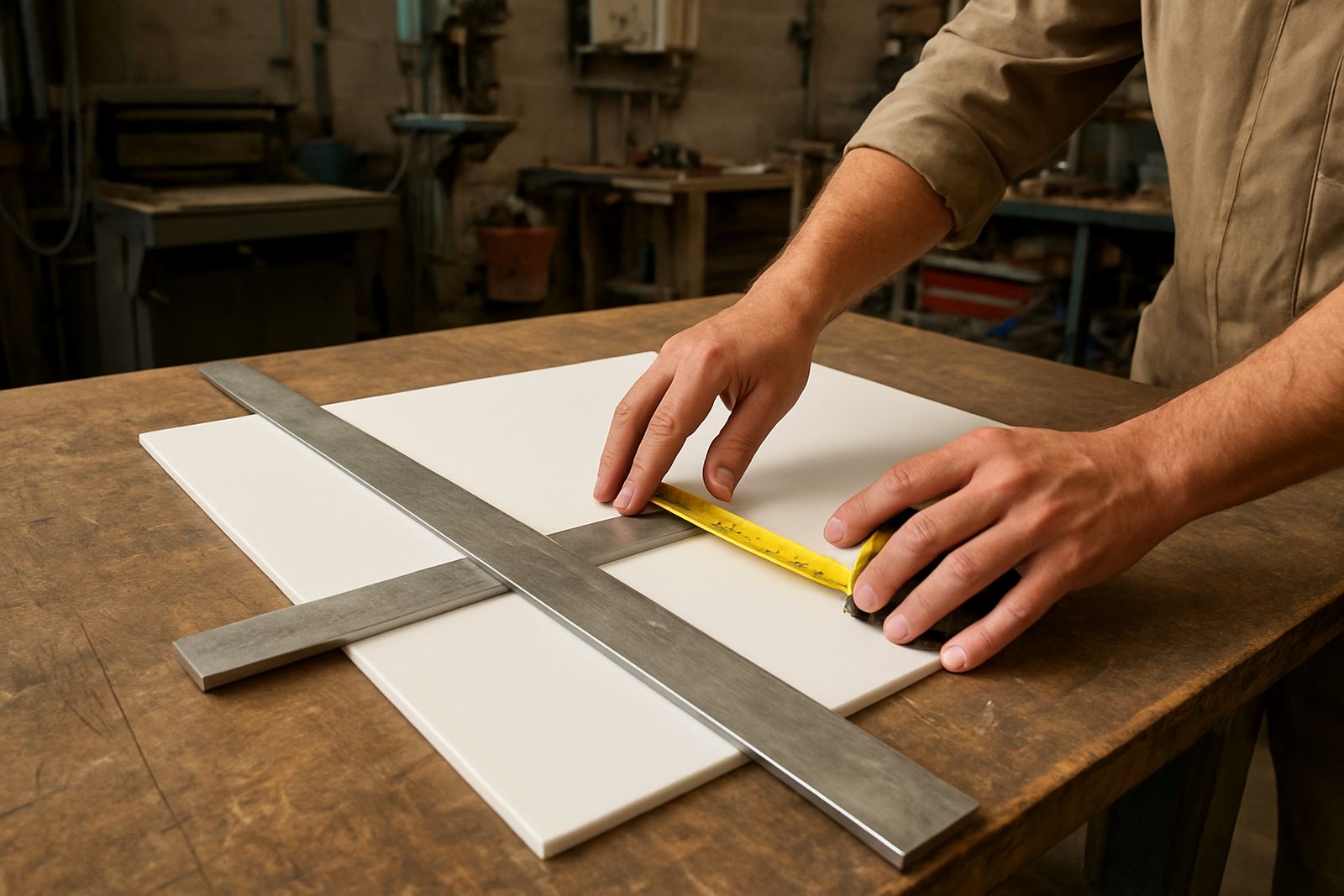
Engineering plastics are a strong choice for indoor signs that need accurate cutting, clean edges and a more technical finish. They are often used for machine labels, plant room identifiers, safety tags, asset plates and custom cut shapes. Because the material can be machined neatly, it is well suited to detailed work where exact sizing matters.
At Blouberg Signz & Engineering, this is where signage and workshop capability meet. The same setup that helps with cut to size parts and CNC machining can be used for precise indoor sign components, especially where repeat pieces are needed. That can save time on projects that require several identical labels or panels.
Engineering plastics also work well for engraved panels in spaces that need clear marking but not a shiny or decorative look. In a practical office or production area, that can be the right balance between neatness and function.
Sandblasted and engraved signs suit subtle, durable branding
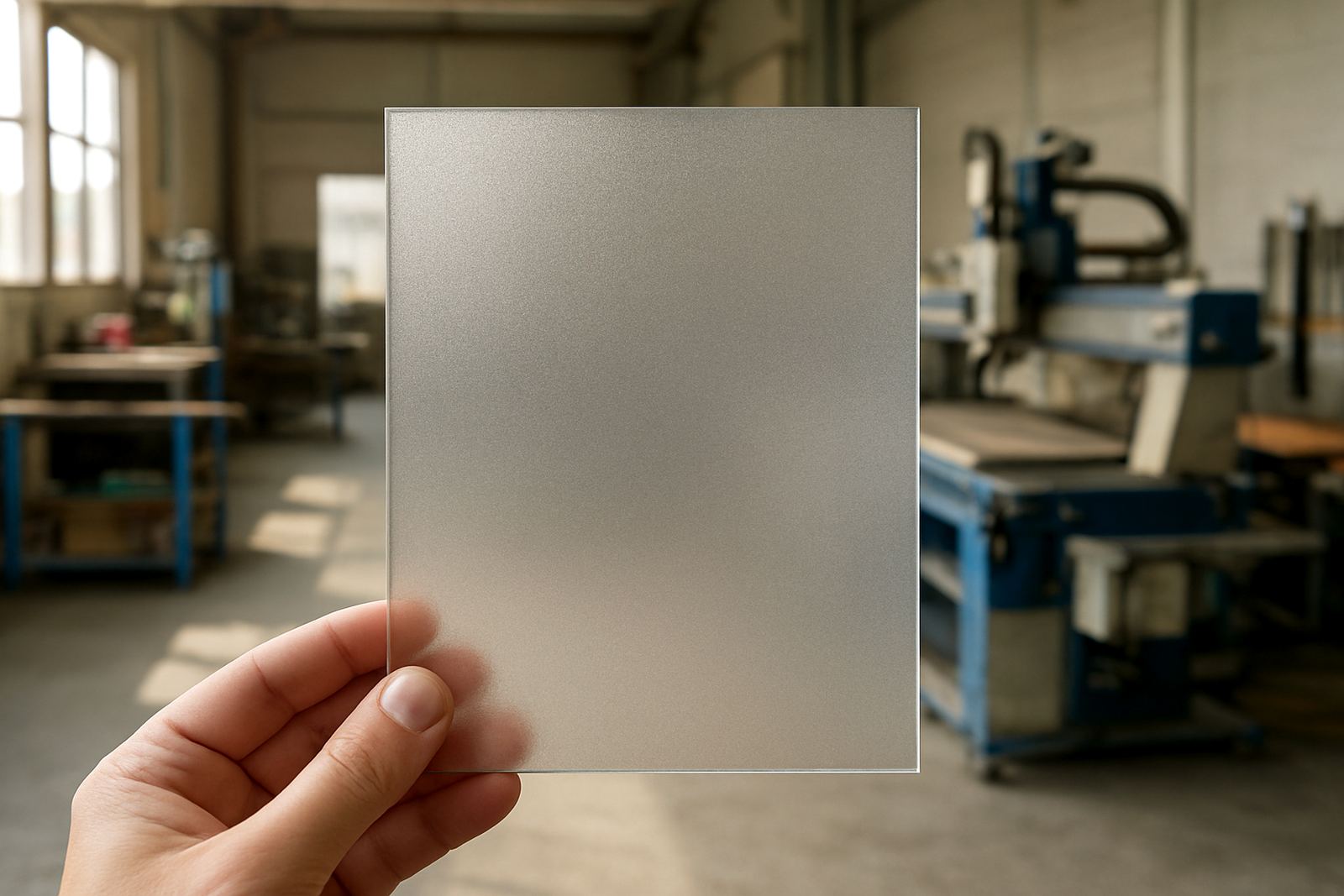
Sandblasting and engraving give a more refined finish, especially on glass, acrylic and selected plastic materials. These methods are often chosen for boardrooms, executive offices, clinic reception areas and interior doors where the sign should look understated but still polished.
One advantage is that the text and shapes stay part of the material itself rather than sitting only on the surface. That makes the sign less dependent on printed film or adhesive layers, which can lift over time in warmer rooms or areas with strong sun exposure through windows.
For example, a Durbanville legal office may want a simple frosted door panel with room names, while a Cape Town reception area may need a branded wall feature with a clean engraved finish. Both can be handled with the right material choice and the right method of making it.