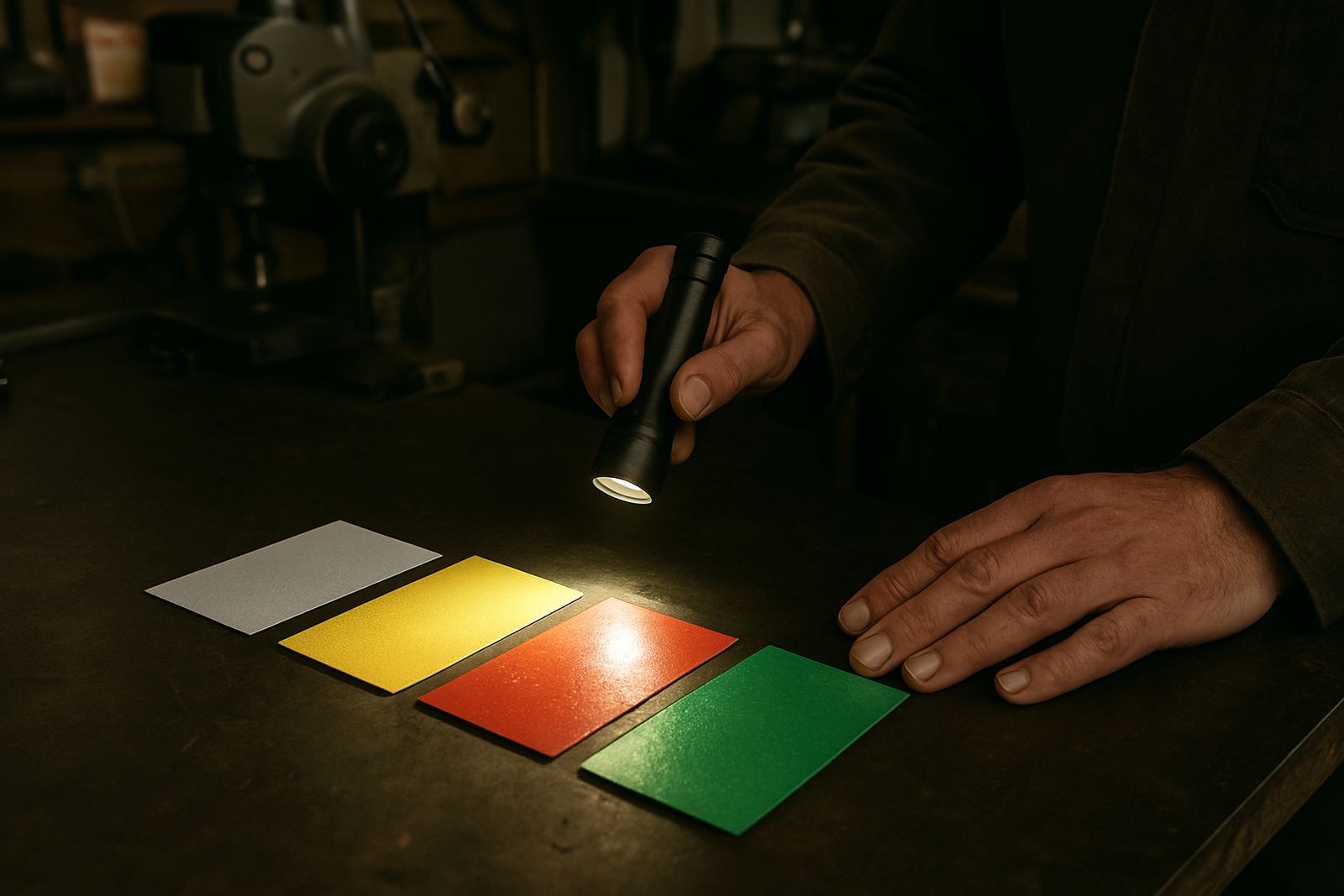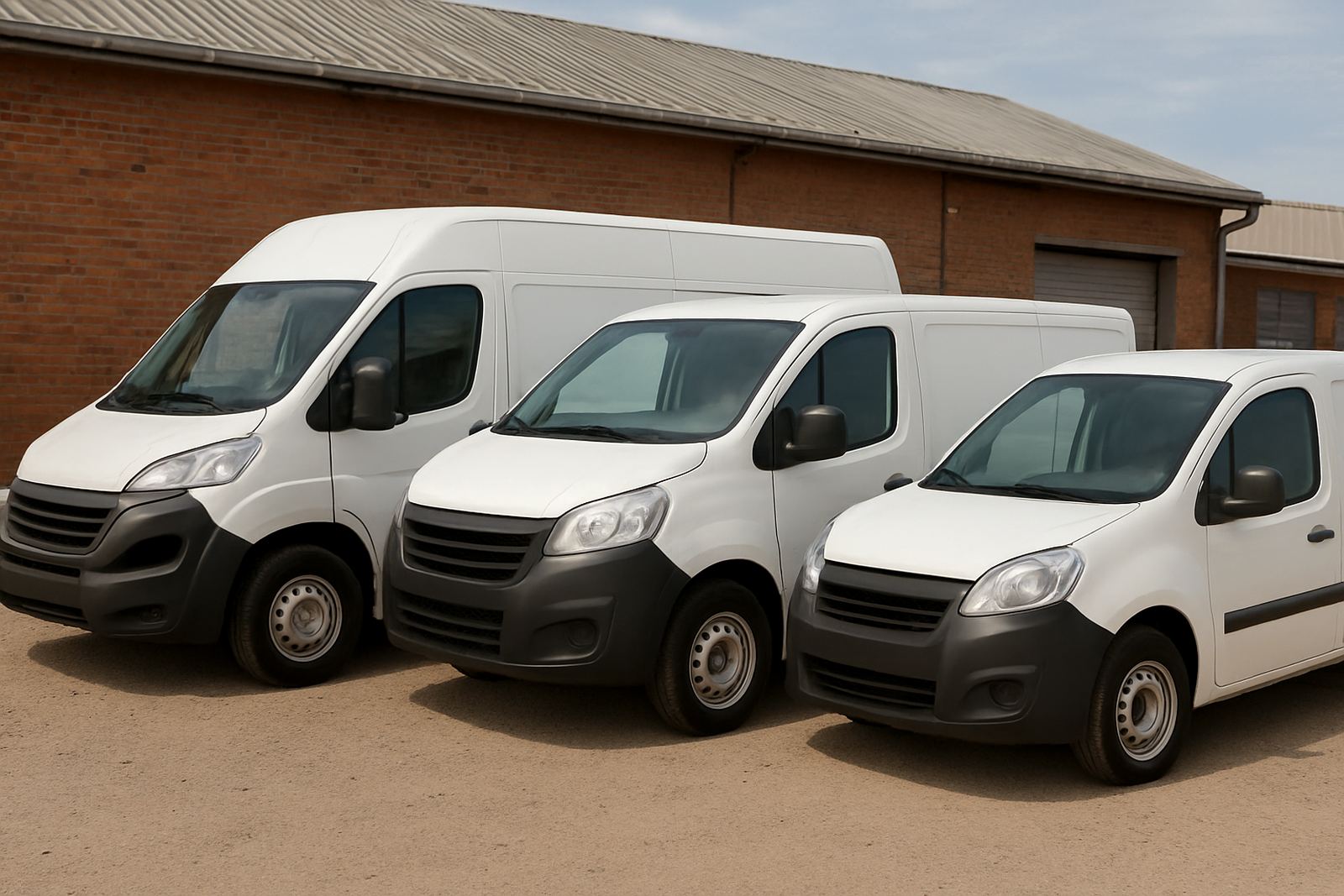
Start with the first 72 hours after installation
The first few days matter most. After installation, let the wrap settle before you wash the vehicle or put it under pressure from strong water jets. The adhesive needs time to bond properly, especially on panels that were freshly cleaned and handled during fitment.
For the first 72 hours, keep the vehicle dry where possible and avoid parking under heavy tree sap or near areas where dust and overspray can stick. If a panel was installed on a hot day in Table View, it may feel firmly fixed, but the adhesive is still curing beneath the surface. That early patience can prevent lifted edges later.
- Do not use a pressure washer on fresh edges or seams.
- Avoid automatic car washes with stiff brushes.
- Keep the vehicle out of direct sun for long periods right after fitment if you can.
- Check that door handles, fuel caps and trims stay clean and dry.
Wash the wrap gently and on a regular schedule
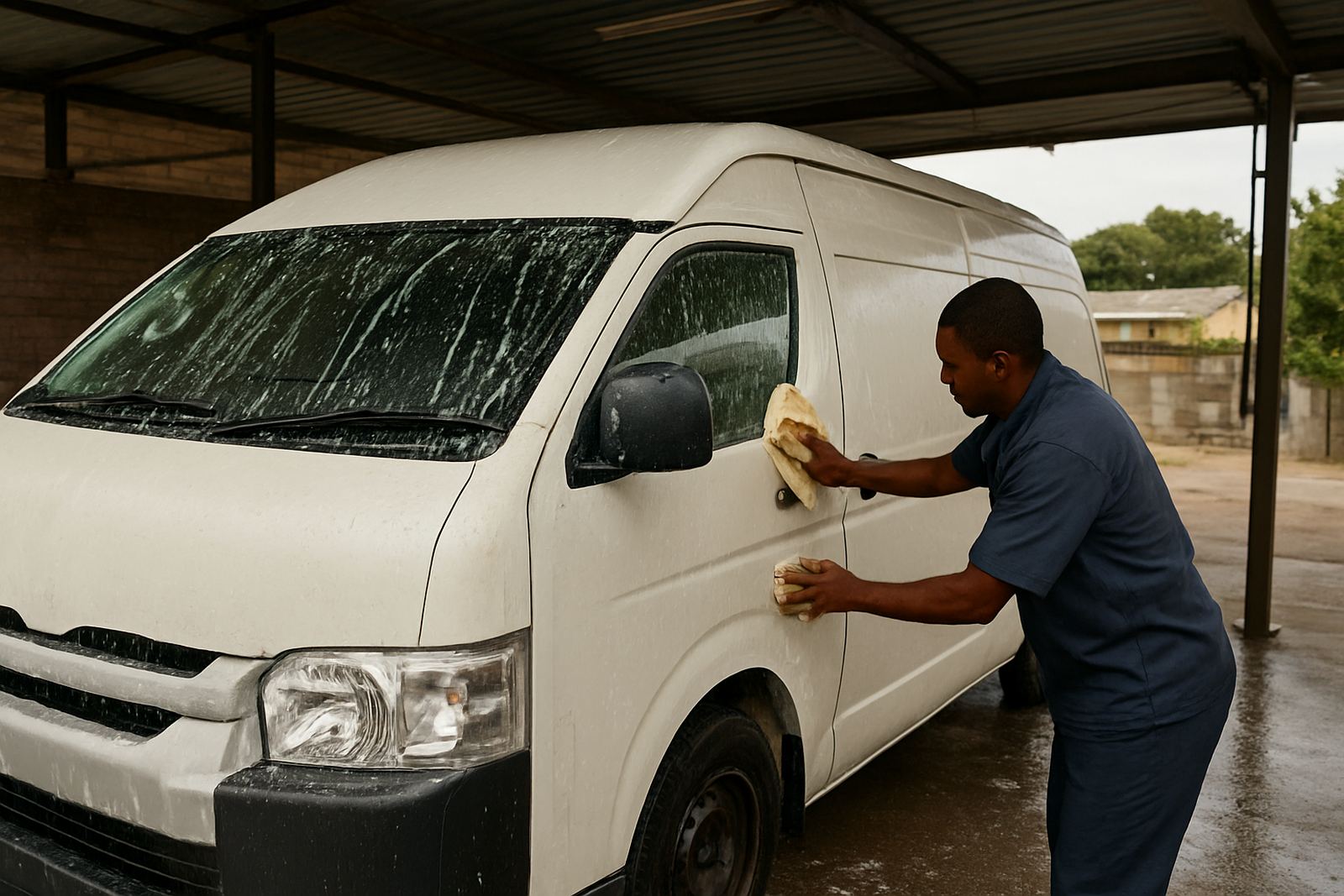
The safest approach is a hand wash with clean water, mild car shampoo and a soft wash mitt. In coastal areas like Blouberg and Milnerton, salt and fine sand can sit on the surface after wind or sea spray, so regular washing helps more than waiting until the vehicle looks dirty. If grime builds up, it starts acting like sandpaper.
Wash from top to bottom and rinse well before you touch the panels. That stops grit from being dragged across the print. Dry with a soft microfibre cloth or let the vehicle air dry in a shaded spot. If you are cleaning a fleet vehicle, keep the same process for every unit so the finish wears evenly.
- Use pH neutral soap rather than harsh detergents.
- Rinse off bird droppings, bugs and tree sap as soon as possible.
- Never use abrasive pads, scrapers or solvents.
- Clean around seams and edges by hand, not with a hard brush.
Parking habits that protect colour and adhesive
Sun is one of the biggest enemies of wrap life. Cape Town vehicles parked all day on open ground take more UV exposure than those kept under cover, and that can fade colours over time. Parking under a carport or in a shaded bay helps the wrap stay brighter for longer. If your route takes you between Parklands, Montague Gardens and Paarden Eiland, try to leave the vehicle under cover when it is not working.
Heat also matters. Metal panels can become very hot in direct sun, and repeated heating and cooling puts stress on edges and corners. A wrapped bakkie parked next to a bakery exhaust or near a workshop doorway can also pick up oily film and dust quicker than expected. These small things do add up.
For businesses with delivery vehicles, it helps to assign one parking routine and stick to it. Park consistently, wash consistently, and you will get more value from the wrap.
What to avoid if you want the wrap to last
Most wrap damage comes from everyday habits rather than one big mistake. A little care goes a long way, but there are a few things that can shorten the life of the film or make the finish look tired early.
- Do not use petrol, thinners or strong degreasers on printed areas.
- Do not point a high-pressure nozzle too close to lifted corners or joins.
- Do not scratch off stickers, road tar or dried paint with metal tools.
- Do not leave the vehicle under leaking gutters or under trees that drop sap.
- Do not leave damaged areas unattended for months, small lifts can get bigger fast.
If your vehicle carries ladders, tools or loose stock, check that nothing rubs against the wrapped panels during loading. Repeated contact around the back doors and rear quarters can dull the surface quicker than the rest of the body.
Look after wrap details around edges, seams and trims
Edges and corners need a bit more attention than flat panels. That is where dirt collects first and where lifting usually starts if the vehicle is washed badly. Keep an eye on wheel arches, bumper curves, mirror housings and door edges, because those are high-wear areas on most vehicles.
When drying the vehicle, press the cloth gently rather than rubbing hard over seams. If you notice a corner starting to lift, do not pull it back down with force or try to glue it yourself. That can make the damage worse and trap dirt under the film. It is better to have it checked and repaired early. A small fix now is cheaper than rewrapping an entire panel later, and that saves down time for the business too.
On vehicles used for site visits in Durbanville or Cape Town city routes, the wrap may also pick up construction dust and road film. Wipe those areas clean more often so the branding still looks professional when you arrive at a client.
Seasonal care for coastal weather, dust and load-shedding routines
South African weather changes fast, and vehicle care should change with it. In summer, strong sun and hot panels need more shade and more frequent washing. In winter, rainwater can carry grime into seams and badge edges. In windy areas near the coast, fine grit and salt settle on the body faster than many drivers expect.
Load-shedding can also affect when vehicles get washed and parked. If your usual washing time changes because the workshop or yard has limited water pressure or lighting, plan around it. Wash in daylight when you can see problem areas clearly, and use a covered space so water spots do not bake onto the film. That kind of practical routine keeps the wrap clean without wasting time.
For fleet operators, a monthly inspection is useful. Look for edge lift, stone chips, faded patches and marks from loading. If a wrap is still in good condition but just dirty, a proper wash may be all it needs. If the film is damaged, getting advice early helps avoid bigger replacement costs.
When to bring the vehicle in for repair or maintenance
Wraps do not fail all at once. They usually show warning signs first, such as a lifted corner, colour loss on one side, or scuff marks from repeated use. When that happens, it is best to have the vehicle checked before the problem spreads. A quick repair can often save the rest of the panel.
If your business vehicle works daily across Table View, Blouberg, Parklands or the wider Cape Town area, a maintenance plan is worth having. It is especially useful for vans and bakkies that do site visits, carry stock or park outside overnight. A tidy wrap keeps your branding easy to read and helps the vehicle look cared for, even after a long week on the road.
At Blouberg Signz & Engineering, we help clients with wrap upkeep, sign maintenance and related workshop work, so a damaged area can be assessed properly rather than guessed at. That practical approach saves time and keeps your vehicle working for the business.