What a sandblasted glass finish actually looks like
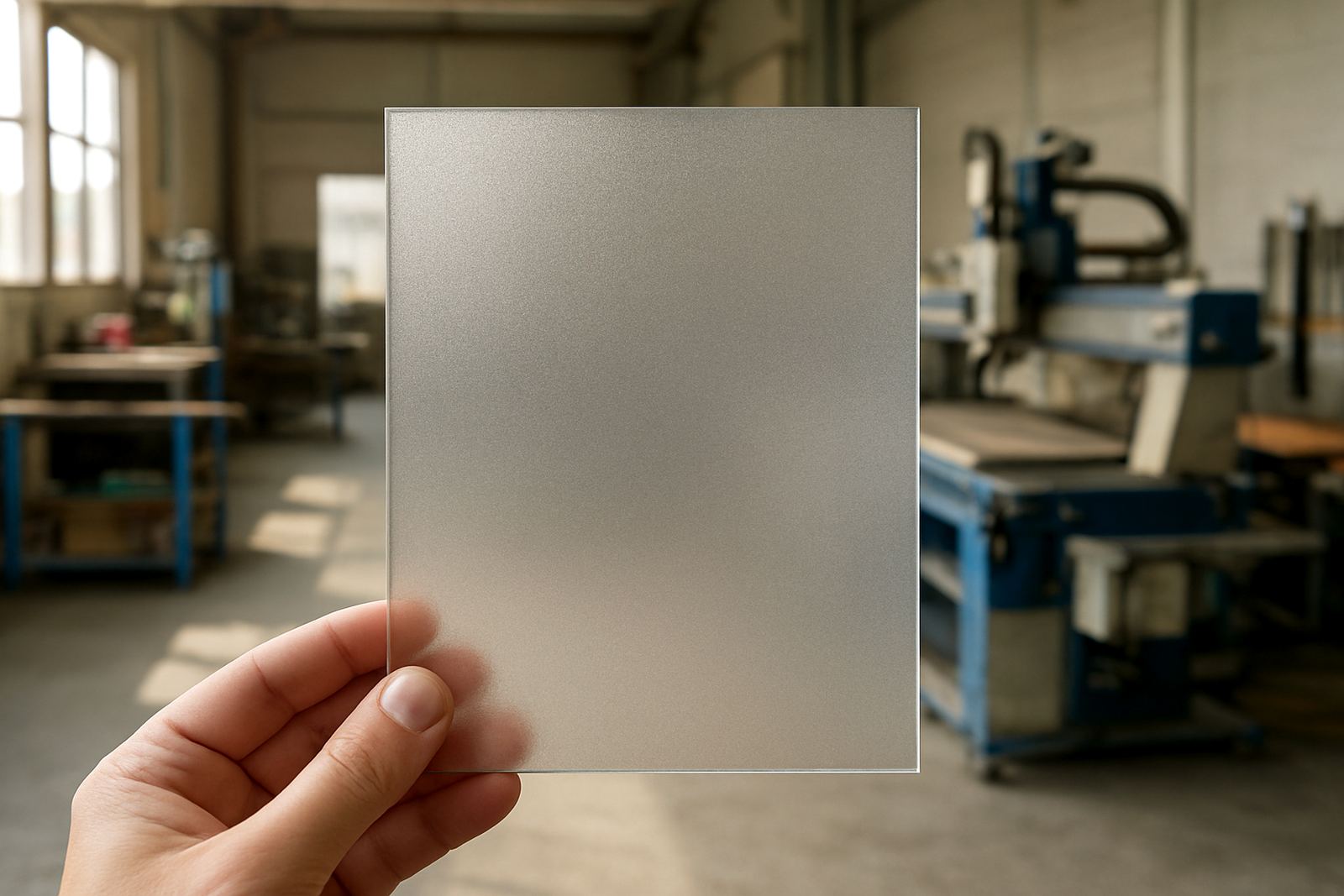
A sandblasted finish changes clear glass into a matte surface by abrading the face of the pane under controlled conditions. The result is not paint and it is not a sticker pretending to be frosted. It has a fine, even texture that diffuses light and softens the view through the glass.
Clients usually choose it for one of three reasons: privacy, branding or visual calm. In a reception area, it can blur the direct line of sight into workspaces. In a retail setting, it can make a frontage feel more polished without blocking daylight. In a home office it can take the edge off glare and make the space feel less exposed.
The finish can be full panel, partial banding or a pattern with clear areas left open. That gives a lot of control over how much visibility remains. It also means the glass still reads as glass, rather than becoming a solid wall.
Where this finish works best in Table View and beyond
In the Cape Town north coast area, many clients use sandblasted glass on office doors, meeting rooms, reception screens and street facing windows. Around Table View, Milnerton and Blouberg there is a lot of mixed use space where one unit may need privacy in the morning and a cleaner presentation in the afternoon. A sandblasted finish handles that well.
It also suits buildings that need to look presentable in strong coastal light. Bright sun can make bare glass feel harsh and reflective. A frosted surface softens that effect and keeps interiors from feeling overexposed. In Durbanville and Parklands, we often see it used where a business wants more privacy but still wants natural light to carry through the front of the property.
- Front doors and sidelights where names or opening hours need to stand out
- Meeting rooms that need privacy without heavy blinds
- Medical, admin and consulting spaces where client confidentiality matters
- Retail partitions where the goal is to screen stock or back areas
Privacy, branding and light control in one surface
The main benefit of sandblasted glass is that it does three jobs at once. It reduces direct visibility, it spreads light more evenly and it creates a neat base for lettering or logos. For many businesses, that means fewer separate items to manage on the same window or partition.
A name, suite number or directional message can be added as clear areas inside the frosted field. That makes the signage feel built in rather than added later. It is often cleaner than using a full vinyl panel, especially where the client wants a softer and more premium look.
There is also a practical benefit in busy spaces. Staff can see that a room is occupied without feeling watched. Visitors can identify a reception area without the front of the building looking cluttered. That balance matters in offices with a lot of foot traffic or shared access points.
- Improves privacy without darkening the room too much
- Can carry logos, wording or pattern work neatly
- Works on doors, windows and internal partitions
- Supports a more consistent front-of-house appearance
What to check before you order or install
Before any sandblasting work begins, the glass type and thickness need to be confirmed. Toughened and laminated panes behave differently, and the finish should suit the actual application. If the panel is already installed, site access matters too. Tight corridors, upper floors and active shopfronts can affect how the job is planned.
It is also worth deciding how much of the glass must remain clear. Some clients want a full frost from edge to edge. Others only want a band at eye level, or a logo placed in one corner. The best layout is usually the one that supports the real use of the room, not just the first idea on paper.
We often advise clients to think about cleaning as well. A sandblasted finish is durable, but it still needs sensible care. Harsh abrasive cleaners are not a good idea and can dull the surface unevenly over time. A mild glass cleaner and soft cloth are usually enough for day to day maintenance.
- Confirm whether the pane is new or already fitted
- Decide how much privacy you need at standing and seated height
- Check whether the finish must carry a logo, pattern or wording
- Plan for cleaning and ongoing maintenance from the start
How the finish holds up in coastal conditions
Along the Table View and Blouberg side of Cape Town, salt in the air and strong sun are part of everyday conditions. A properly applied sandblasted finish handles that environment well because it is not dependent on loose parts or surface films that can lift at the edges. That makes it a sensible option for entrances and glass panels exposed to wind and weather.
In load-shedding conditions, many businesses still want their premises to feel secure and presentable even when lights are down. Frosted glass helps with that because it gives a controlled appearance from the outside and avoids a completely clear view into the interior. It will not stop security planning, of course, but it does support a calmer and more considered frontage.
Where a glass panel sits close to the street, municipal rules or building management conditions may affect the wording, size or placement of any marking. It is worth checking these points early so the finish is suitable for the site and the sign remains easy to read without causing issues.
A local example from a busy mixed-use site
Consider a professional office unit in Milnerton with a glass front facing a shared parking area. The client wants privacy for staff, but also wants visitors to find the entrance quickly. A full solid blind would block the light, while plain clear glass would leave every meeting room exposed. A sandblasted finish solves both problems.
In that kind of job, the lower section of the glass can be frosted for privacy and the upper section can stay clear or carry a simple logo and suite number. The result looks tidy from the parking area and still allows daylight into the workspace. It also gives the front of the unit a more permanent, professional appearance without a lot of extra hardware.
That is the sort of detail many businesses want across Table View, Paarden Eiland and Montague Gardens: something practical that does not shout, but still looks properly made. It should feel intentional, last well and make everyday use easier.
At Blouberg Signz & Engineering, the team handles the full process from layout through to manufacture and installation. Johan Petrus van der Merwe oversees the business, while Amogelang Sebola, Willem Smit, Leanne Jacobs, Musa Dlamini and Zelda Kruger keep the workshop and client work moving smoothly. That matters when a site needs accurate work, tidy edges and a finish that looks right from the first day.