
What plastic spacers are used for in workshop and site work
Plastic spacers are small components, but they do important work. They create a fixed gap, set a level, keep parts aligned, and reduce contact between surfaces that should not rub against each other. In sign work, engineering assembly and general fabrication, they are used between panels, brackets, housings, frames and mounting points. A correctly made spacer helps prevent vibration marks, uneven loading and premature wear.
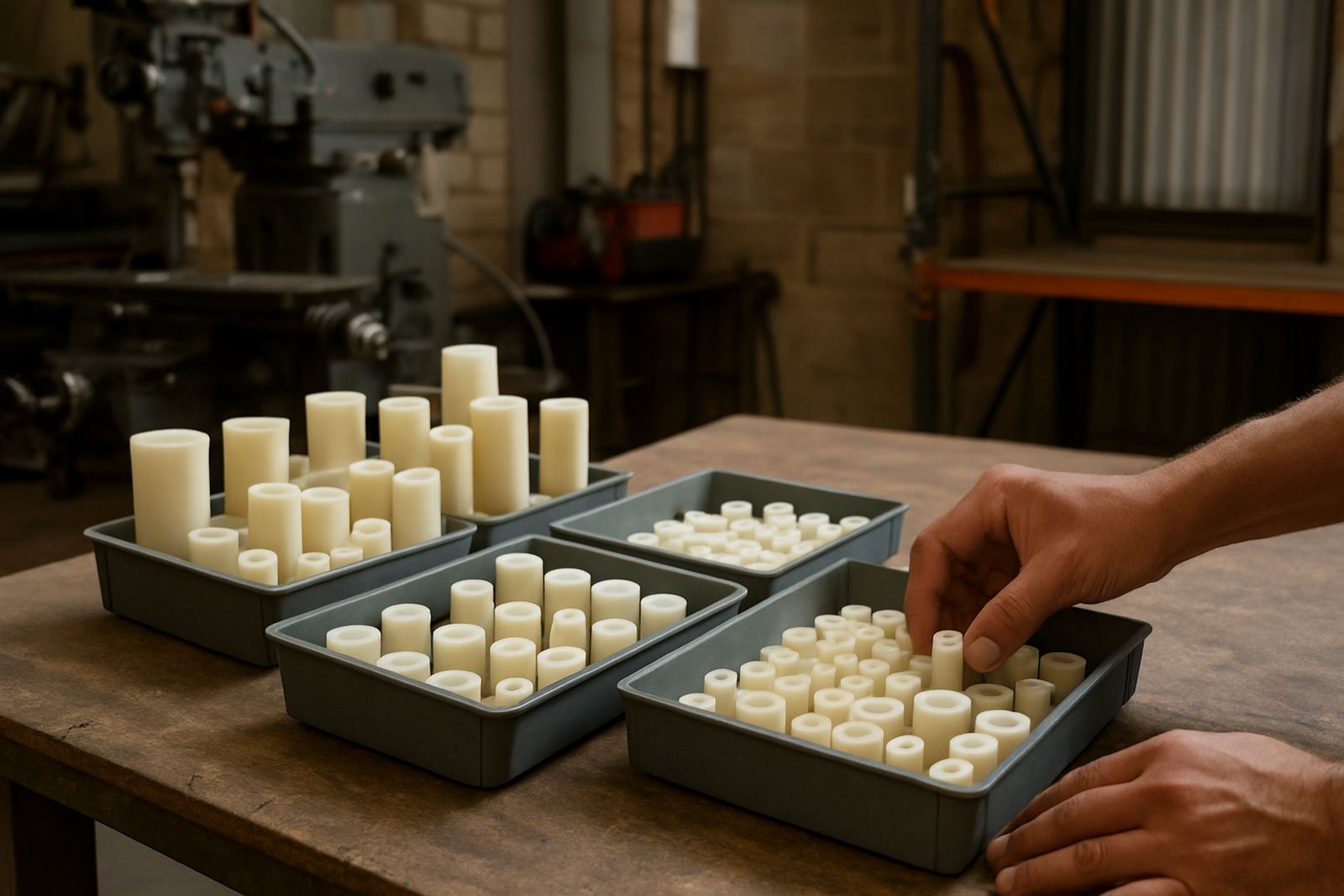
We make spacers for repeat use in production runs as well as one-off jobs. That can include flat spacers, packers, washers, stand-offs and shaped pieces with holes or slots. If you need a spacer to fit into a narrow recess or sit flush against an uneven surface, we can machine it to size rather than asking you to force a standard part into place.
For clients in coastal areas like Blouberg and Milnerton, plastic is often preferred because it does not rust. It also stands up well in humid conditions where metal can stain surrounding material or seize up over time. On sites with load-shedding and mixed indoor outdoor use, a simple spacer that keeps equipment aligned can save a lot of downtime.
Sizes, material options and common spacer forms
We machine spacers from engineering plastics selected for the application. The exact choice depends on the load, temperature, exposure to moisture and whether the part needs to be rigid or slightly forgiving. For example, some jobs need a hard wearing spacer with better dimensional stability, while others need a lighter piece that is easy to drill and trim.
Typical size options are practical rather than fixed to a single stock line. We can cut thin shims from about 1 mm up to thicker blocks and rings used in machine setup. Diameters, lengths and slot sizes are made to order, and the finished piece can be plain, drilled, counterbored or engraved for identification if required.
- Flat packers and shims for levelling and alignment
- Rings and bush style spacers for bolts, rods and studs
- Block spacers for panel mounting and set distances
- Shaped spacers with drilled holes or cut-outs
- Batch made sets for repeated assembly work
We also work from drawings or sample pieces when the part is already in use and needs replacing. If you only have the old spacer and no drawing, we can measure the thickness, outside size and hole position before cutting a new batch.
Where these spacers suit best
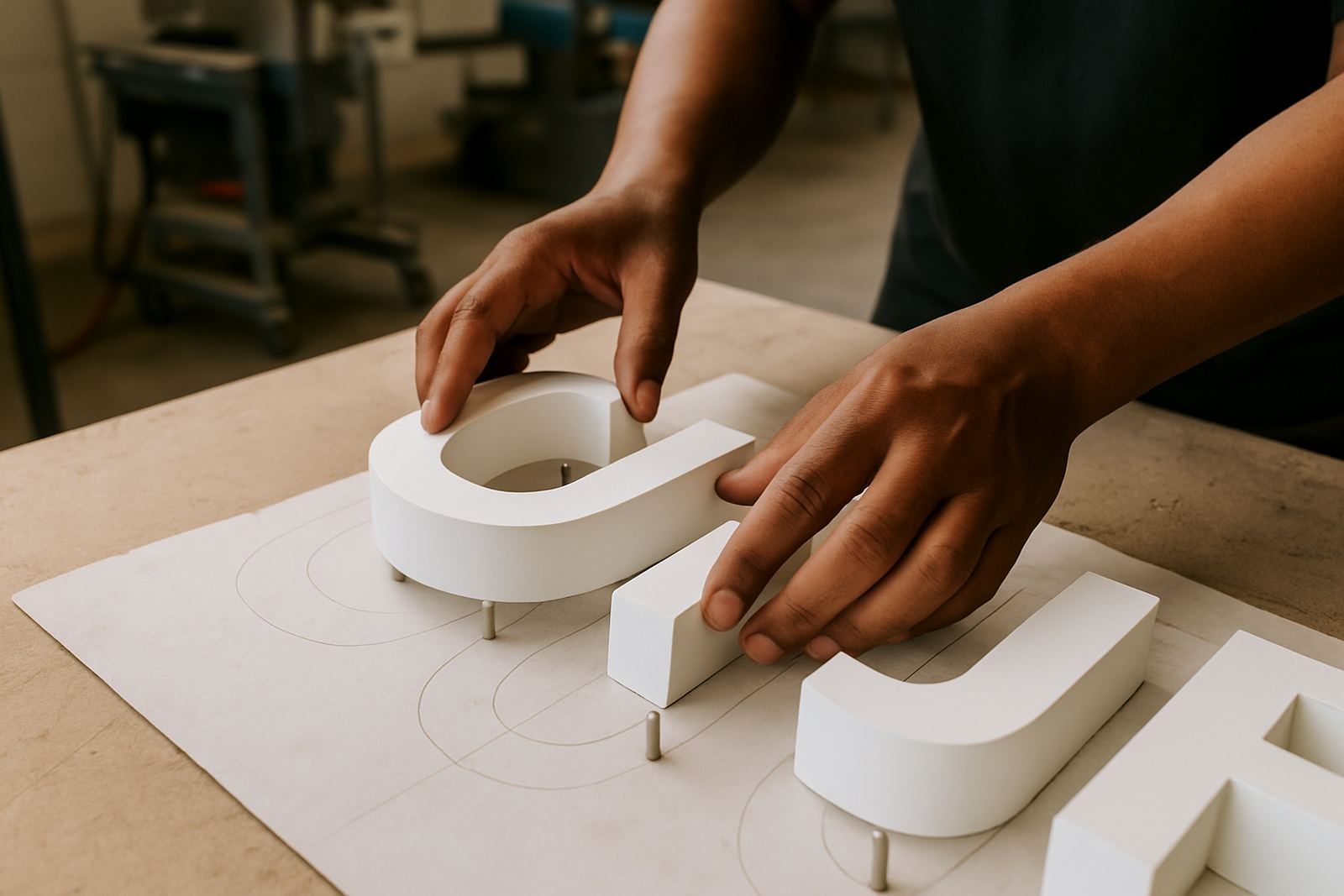
Plastic spacers are used across sign fabrication, light box assembly, machine guarding, plastic fabrication, racking, mounting plates and general workshop work. They suit any project where you need spacing that stays consistent and does not corrode. In signage, they are useful behind panels, face fixes and nameplates where a neat stand-off is needed.
In industrial settings, spacers can help with vibration control, separation between parts and accurate positioning during assembly. They are also useful in areas with cleaning chemicals, moisture or light exposure, where a metal alternative may be more difficult to maintain. We make spacers for contractors, workshops and businesses that need parts supplied in usable quantities rather than a single loose piece.
For premises in Cape Town, Durbanville, Parklands and Paarden Eiland, where jobs often move between workshop, site and final install, the spacer needs to be practical. That means easy to fit, easy to replace and made with tolerances that match real world use not just paper sizes.
Installation, fixing methods and site conditions
Most plastic spacers are installed during assembly or mounting, usually with bolts, screws, rivets, adhesive pads or compression between two faces. The fixing method depends on the job. A spacer used behind a sign panel may be loose fit with a screw through the centre, while a machine spacer may need a tighter tolerance and a smoother finish for correct seating.
We can machine spacers to suit common installation needs such as drilled centre holes, countersinks, recesses and square edges for anti-rotation. If the part must sit outdoors, we take into account UV exposure, rain, salt air and thermal movement. In coastal areas this matters a lot, because a piece that fits in the workshop can shift slightly once it is exposed to heat and humidity.
- Check whether the spacer must carry load or only set distance
- Confirm whether the part will be exposed to sun, moisture or chemicals
- Confirm bolt size, hole position and any countersink depth
- Allow for movement if the spacer sits between different materials
- Tell us if the piece must be heat resistant or food safe for your process
We do not supply electrical power or gas for spacer installation, but if your job is part of a larger fabrication or sign assembly, we can prepare the parts ready for your fitter or maintenance team to install on site.
Care, replacement and batch servicing
Plastic spacers need very little maintenance, but they should still be checked during routine inspections. Look for cracking, flattening, UV wear, contamination and any signs that a spacer has slipped under load. If a set of spacers is carrying repeated vibration, one damaged piece can affect the whole assembly.
For businesses with repeated production runs, it is useful to keep a spare batch on hand. We can manufacture replacement sets so your workshop does not need to stop while a single part is remade. That works well for signage installers, maintenance teams and fabricators that service multiple sites across the Cape Town metro.
Cleaning is simple. Use a mild cleaner and a soft cloth, then dry the part before refitting. Avoid harsh solvents unless the material and application are confirmed, because some plastics can craze or soften. If the spacer has been engraved for identification, keep the marking visible so the next replacement is matched correctly.
What to send when ordering plastic spacers
The more detail you give us, the better the fit first time. If you have a drawing, send it with the enquiry. If you only have a sample or an old part, we can work from that too. For batch work, we recommend confirming the exact thickness, hole size and quantity before cutting begins.
Useful ordering details include the following:
- Overall length, width, diameter or profile shape
- Thickness or stand-off height needed
- Hole size, slot size and position
- Material preference if you have one
- Quantity required per batch
- Where the part will be used and whether it is indoors or outdoors
If the spacer is part of a larger sign, machine or mounting job, tell us what it supports and what the finished spacing must achieve. That helps us choose the right material and tolerance. We work from Table View and supply businesses in Blouberg, Milnerton, Parklands, Durbanville, Montague Gardens and Cape Town, with enquiries handled through our contact page form.
Key facts
| Product type | Precision plastic spacers, packers, shims and stand-offs |
|---|---|
| Material options | Engineering plastics selected to suit load, wear and exposure |
| Typical thickness | From 1 mm upward, made to order |
| Machining options | Cut to size, drilled, countersunk, slotted and shaped |
| Finish | Clean cut edges with batch consistency |
| Use areas | Signage, mounting, assemblies, equipment spacing and workshop fabrication |