What 3D lettering is and where it works best
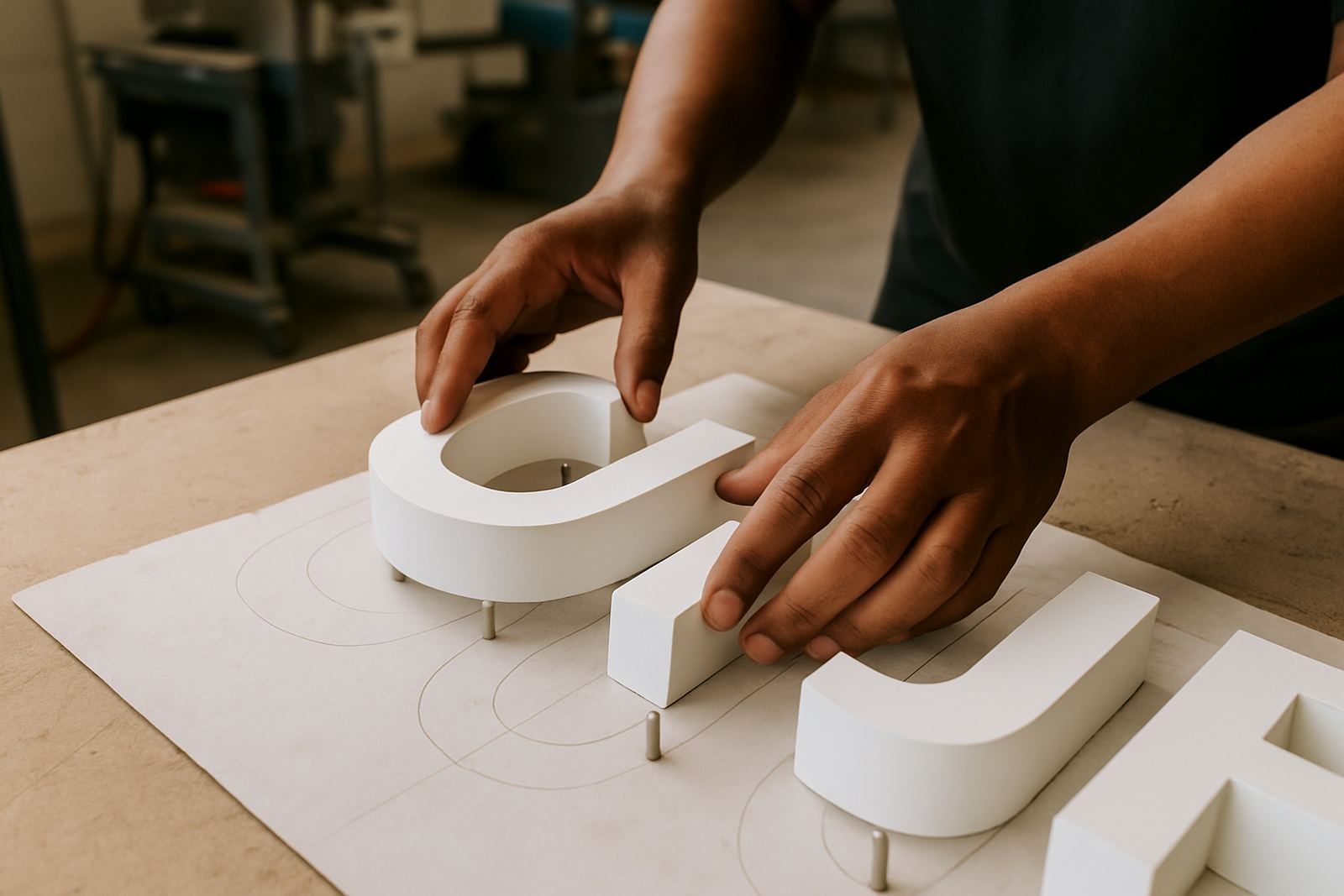
3D lettering is made up of individual raised letters or symbols cut from durable sheet material and mounted off the surface with spacers, studs or direct fixing. The result is a sign that reads clearly from a distance and gives depth instead of a flat printed face. It works well for company names, unit numbers, reception branding, directional signs and feature walls in offices, warehouses, retail spaces and hospitality venues.
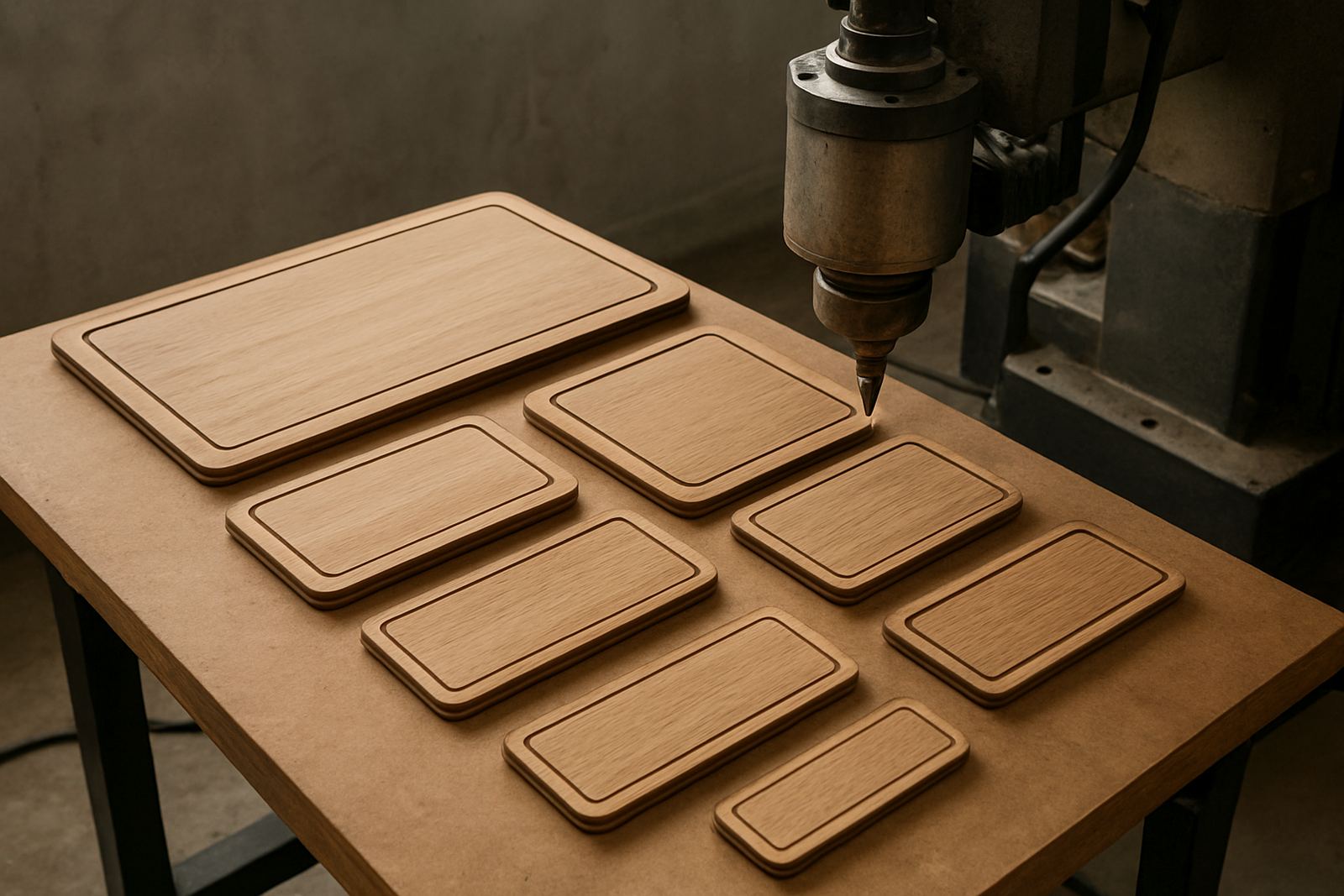
We fabricate 3D letters for indoor and outdoor use, with options for painted faces, clear coat, brushed metal looks and backlit effects where required. For coastal areas like Blouberg and Milnerton, material selection matters because salt air and UV can affect finishes over time. Choosing the right base material and fixing method helps the sign stay neat, straight and easy to maintain.
Sizes, materials and finish options
Dimensional letters can be made small enough for reception signage or large enough for building fascias. Letter height is usually planned from the viewing distance, wall size and the type of message. For most business interiors, letters between 150 mm and 400 mm high are common. Exterior branding often starts from 300 mm and can go well beyond 1 000 mm for higher visibility.
Common material and finish options include:
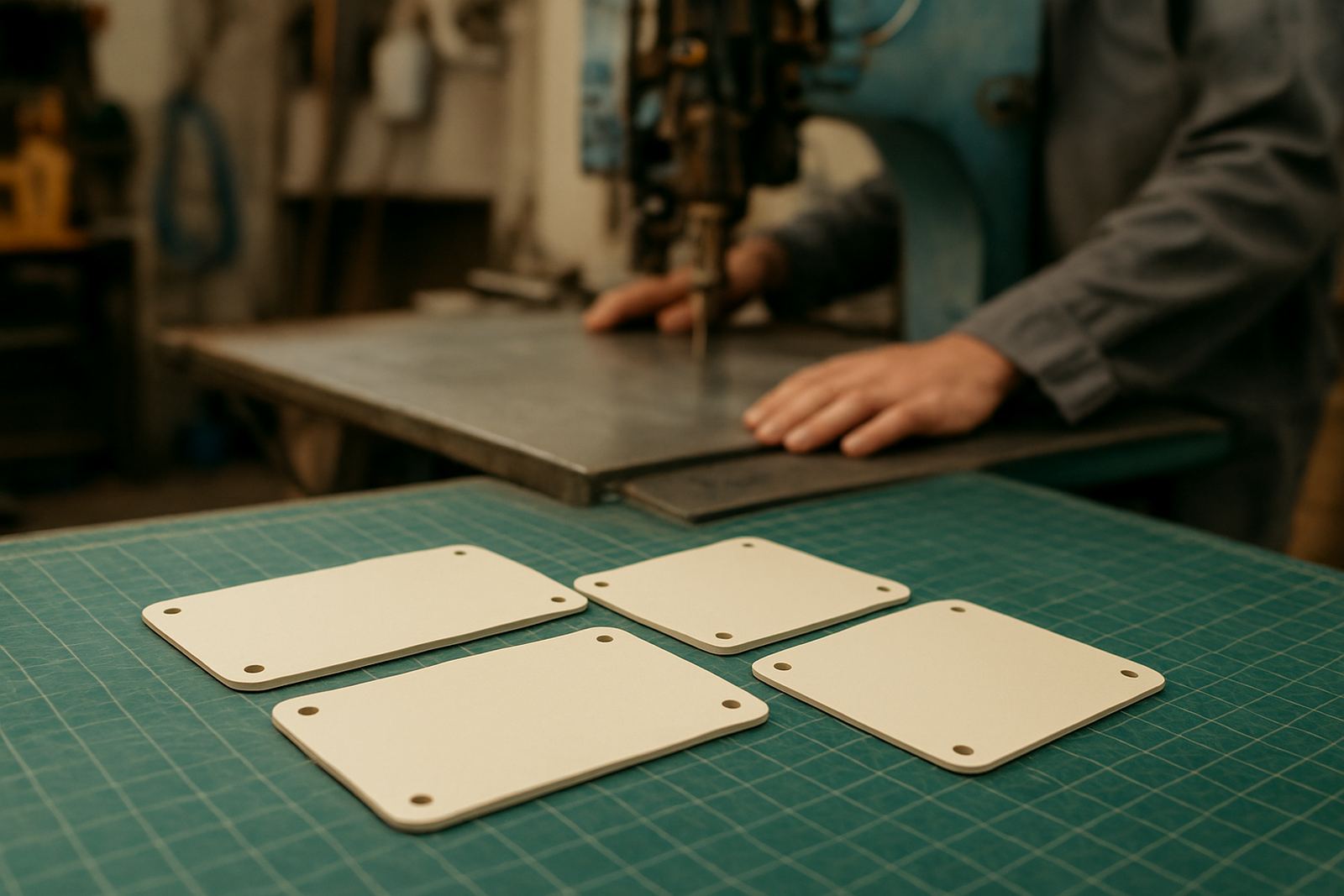
- Foam with faced skins for light indoor use and cost control
- Acrylic letters for clean, crisp retail and office branding
- Aluminium or other metal sheet for a more solid appearance
- Stainless steel style finishes for premium corporate signs
- Painted faces matched to your brand colours
- Polished, brushed or matt finishes depending on the look required
- Halo or face illumination for better night visibility
Letter depth, edge return and mounting style are set to suit the application. A 20 mm to 50 mm depth works for many interiors, while larger exterior letters may need deeper returns for strength and visual impact.
Ideal applications across offices, retail and industrial sites
3D lettering suits places where presentation matters and where a clean, permanent finish is preferred over temporary signage. It is often used on reception feature walls, boardroom branding, shopfront fascias, factory entrances, estate offices and internal wayfinding. Because each letter is mounted individually, the finished sign looks tidy and carries a professional feel without overcrowding the wall.
Typical uses include:
- Reception wall logos and company names
- Retail fascia lettering above entrances
- Warehouse and industrial unit identification
- Interior branding for showrooms and lobbies
- Directional and amenity signs in office parks
- Feature messages on painted or cladded walls
If your premises face strong sun, wind or coastal moisture, we will recommend the right fixings and finish so the sign stays aligned. For exterior sites in Durbanville, Paarden Eiland and along the Milnerton side of the coast, this planning is worth getting right from the start.
Installation, fixings and power requirements
Installation depends on the wall surface, the letter size and whether the sign is lit. We install onto brick, plaster, concrete, aluminium composite panels, glass where suitable, and internal board surfaces. For larger signs, we check the substrate before fitting so the fixing method supports the full weight of the letters. Hollow walls and ageing plaster often need extra reinforcement and that cannot be guessed from the outside.
For non-illuminated 3D lettering, no power supply is needed. For halo-lit or face-lit letters, you will need a suitable electrical point and safe cable routing to the mounting position. In load-shedding areas, many clients also ask about backup power for illuminated signs, especially where trading after dark matters. We can work around available power points and site access, but the final electrical connection should always be planned before production starts.
- Measure the wall and confirm viewing distance
- Check substrate type and mounting access
- Confirm power point location for lit signs
- Allow for safe working space around the installation area
- Make sure access equipment can reach upper facades
Care, cleaning and ongoing servicing
3D lettering needs very little day-to-day attention if it is installed correctly. Dust can be removed with a soft cloth or gentle brush, and outdoor signs can be washed with clean water and a mild, non-abrasive detergent. Avoid strong solvents, rough scouring pads and high-pressure washing close up, because these can mark the surface or force water into joins.
For illuminated letters, occasional servicing helps keep the sign working properly. This may include checking LEDs, drivers, cable points and fixings, especially after heavy wind or building maintenance. If letters are mounted outdoors near the coast, inspect them after long wet periods or strong summer sun. A small issue caught early is cheaper than replacing a damaged letter set later, and it helps the sign keep its shape and brightness for longer.
What to check before placing your order
Before we manufacture your 3D lettering, it helps to have a few details ready. Clear information at the start keeps the quote accurate and reduces changes later. If you are unsure about any of it, we can help you work through the options from the enquiry form on our contact page.
Please check the following:
- Exact wording, spelling and capital letters
- Preferred letter height or overall sign size
- Indoor or outdoor location
- Wall type and colour where the sign will be fitted
- Whether the sign needs to be lit
- Brand colours, logo file and finish preference
- Installation date, site access and any working hour restrictions
If you are fitting out a new branch or updating an older frontage, it also helps to know whether there are municipal or landlord rules about sign size, projection or lighting. This is common in office parks and retail centres around Cape Town, so it is worth confirming before manufacturing begins.
Key facts
| Product type | Fabricated dimensional lettering for indoor and outdoor signage |
|---|---|
| Common sizes | 150 mm to 1 000 mm plus, depending on viewing distance and wall space |
| Material options | Acrylic, foam-faced builds, metal sheet and mixed material construction |
| Finish options | Painted, brushed, matt, polished or backlit |
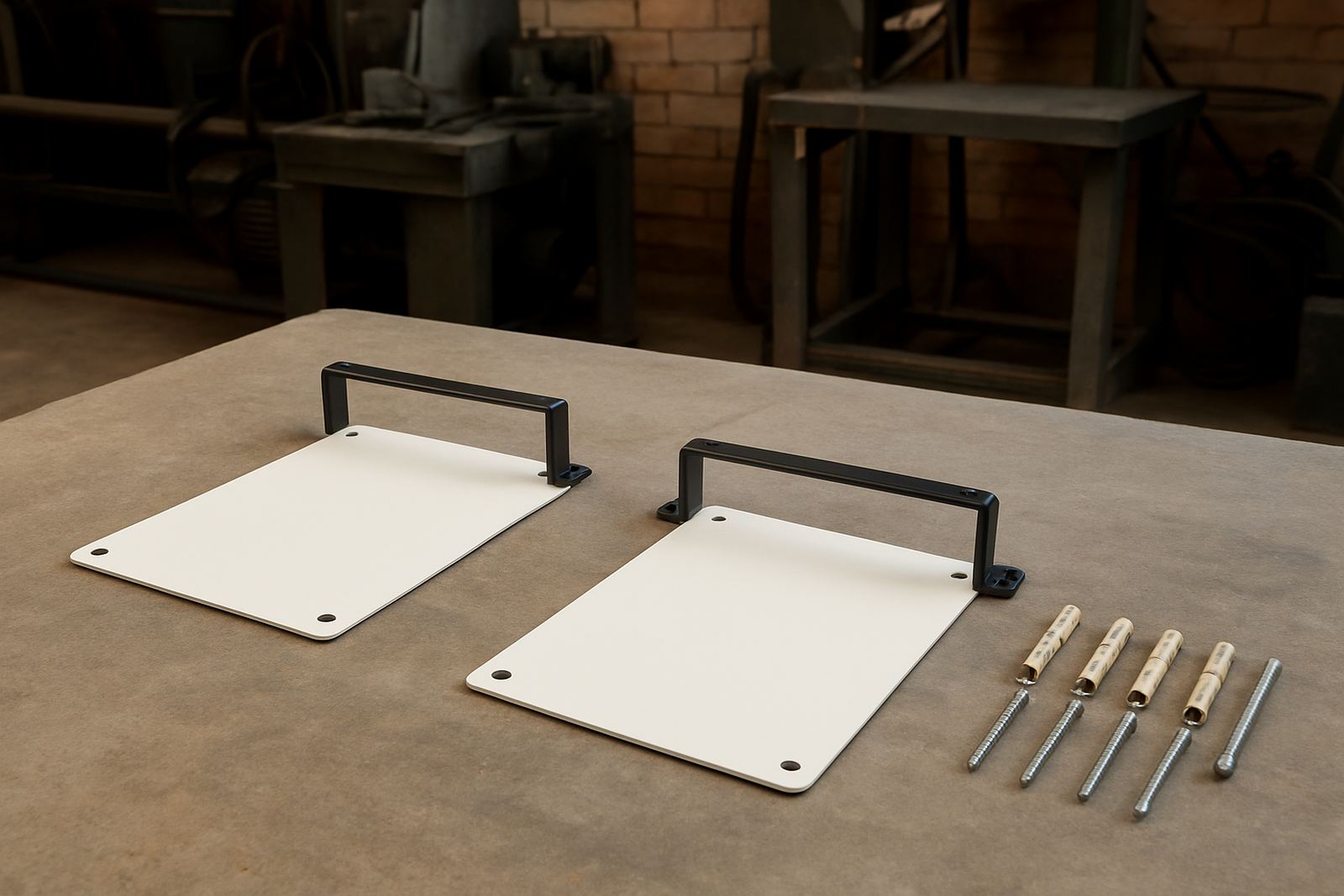
| Mounting | Stud fixed, standoff mounted or direct fixed, depending on substrate |
| Power needs | No power for plain letters, electrical supply required for illuminated options |