Machine Labels That Stay Legible On The Floor
Machine labels are used to identify controls, warn operators, mark moving parts and record service information on equipment that gets used every day. In a busy workshop or plant, a label must be clear at a glance, fixed properly, and suited to the conditions around it. We produce labels for indoor and semi-outdoor use, from simple asset tags to detailed instruction plates with numbering, symbols and serial fields.
For businesses in Table View, Milnerton, Blouberg, Parklands, Durbanville and the wider Cape Town area, the right label often comes down to the environment. Coastal humidity, cleaning chemicals, vibration and heat all affect how long a label lasts. We cut labels to size, engrave where needed, and supply marking that suits metal, plastic, painted surfaces and powder-coated panels.
- Control labels for switches, valves and isolators
- Warning and caution labels for moving or hot equipment
- Process and line identification for production areas
- Maintenance and inspection labels with dates or codes
Common Sizes, Materials And Finishes We Supply
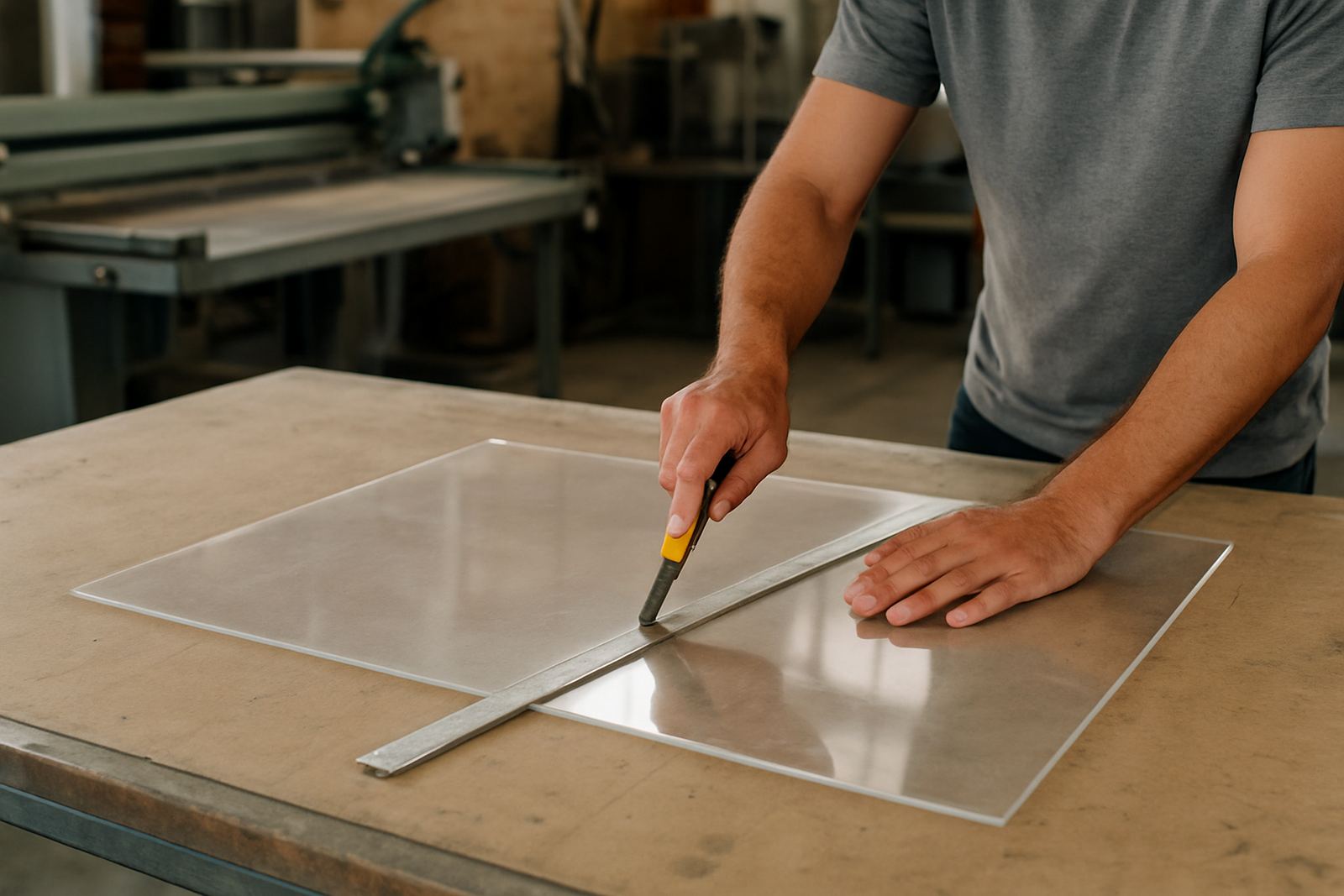
Every machine is different, so we work to the panel, cover plate or housing size you give us. Labels can be made as small as 20 mm x 10 mm for individual switches, or much larger for panels and equipment housings. Where the label must carry more detail, we space the text properly so it remains easy to read without crowding.
Material choice depends on how the machine is used. For general indoor applications, durable plastics are practical and neat. For harsher use, engraved material gives good wear resistance. When you need high contrast for quick reading, we can use colour combinations that suit safety marking rules and site coding. If the surface is curved, textured or uneven, we will advise on the fixing method before production.
- Plastic labels for indoor control panels and equipment covers
- Engraved plates for long term identification
- Self adhesive labels for smooth, clean surfaces
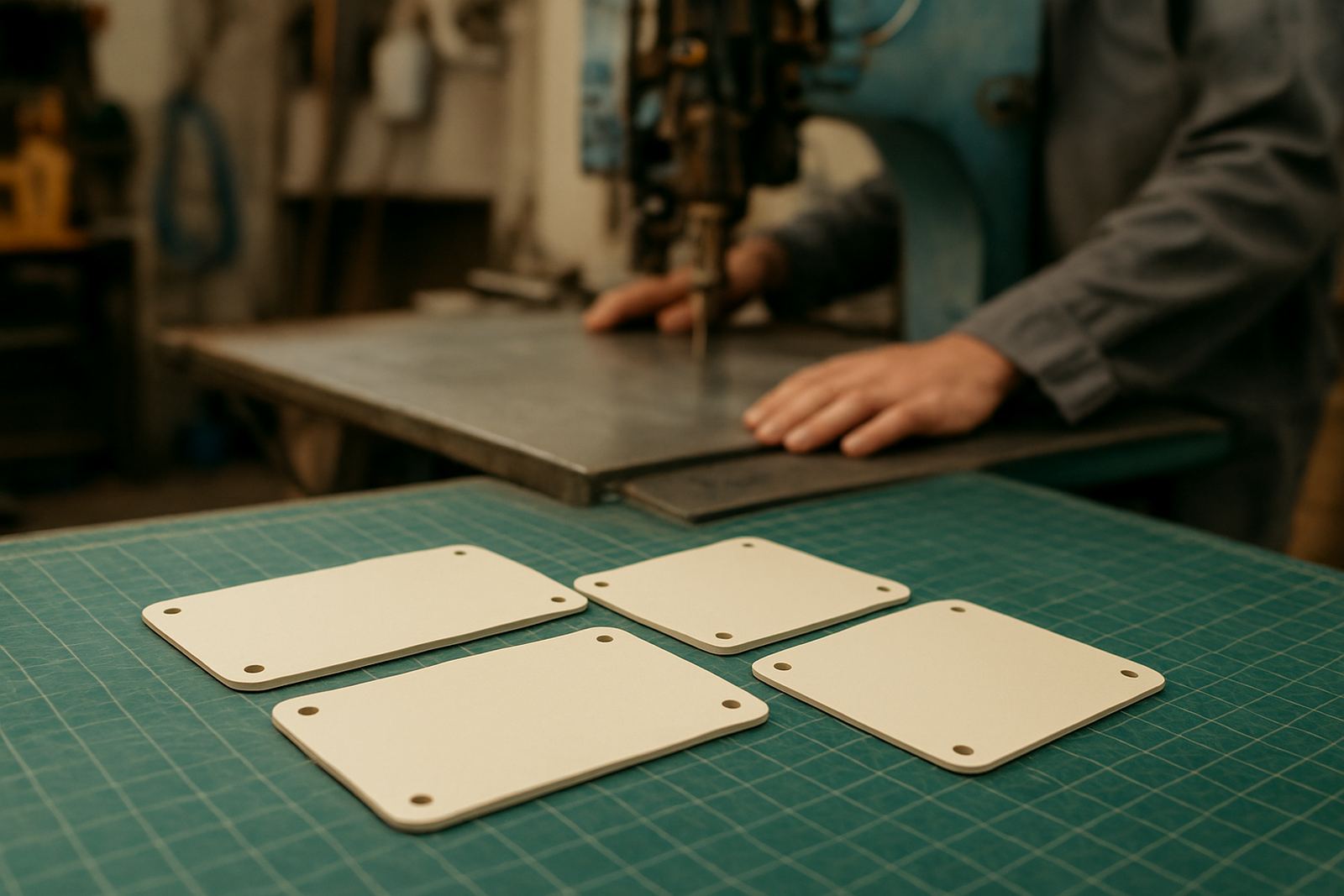
- Pre-drilled labels for screws or rivets where vibration is present
Where Machine Labels Are Most Useful
We supply machine labels for factories, workshops, stores, service bays and light industrial sites that need clear identification without fuss. They are used on compressors, mixers, pumps, saws, forming equipment, packaging lines and maintenance cupboards. In places where staff change often, labels help reduce mistakes and keep shutdown steps visible.
They are also useful for compliance and internal record keeping. If a machine has a service interval, pressure setting, load limit or isolation point, a fixed label makes that information easy to find. In a small plant, that can save time every day. It also helps when contractors come in after hours or during load-shedding and need to work with limited lighting. Good marking makes the job safer, full stop.
For coastal sites and workshops near the harbour side of Cape Town, we take account of moisture and corrosion. Labels that lift at the corners or fade in sunlight create extra work later, so we match the material to the site rather than using one option for everything.
Installation On Panels, Frames And Equipment
Machine labels can be supplied for self fitting, or installed by our team where access is awkward or the equipment needs a neat finish. Installation method depends on the substrate and on whether the surface is painted steel, stainless steel, powder-coated sheet, aluminium or engineering plastic. We measure carefully before fixing, because once a label is on a live machine or a fitted panel it should not need to be moved twice.
Before installation, the surface must be clean and dry. Oil, dust and loose paint will shorten the life of any adhesive fixing. If the machine has heat, vibration or washdown, we may recommend mechanical fixing or a stronger adhesive system. For labels close to motors or electrical components, we also check the layout so the text remains visible after guards, covers or cable trays are in place.
- Check the final mounting position before production starts
- Confirm whether the label must be removable or permanent
- Allow space for screws, holes, hinges or panel edges
- Tell us if the machine runs hot, vibrates, or gets washed down
Power, Heat And Environmental Requirements
Most machine labels do not need power or gas, but the equipment they are fitted to often does. That means the label must survive the same conditions as the machine. If the unit sits near electrical cabinets, heating elements, compressed air lines or gas-fed process equipment, we choose a marking method that will not distort, peel or fade. For labels placed on or near live electrical gear, the wording and layout must be accurate and visible under normal working light.
Where machines are exposed to strong sun, moisture or regular cleaning, we consider UV exposure and surface preparation. We can also make labels for environments where the surface gets warm during operation. In those cases a standard sticker is often not enough. If your site uses gas equipment, the label should clearly identify isolation points, safe operating steps and any warning information the team needs at the point of use.
For production areas in Milnerton, Paarden Eiland and Montague Gardens, we often see mixed conditions: indoor heat, dust and intermittent power. The label still has to read clearly after several months of use, not just on installation day.
Care, Cleaning And Replacements
Good machine labels are low maintenance, but they do need the right care. Wipe them with a soft cloth and mild cleaner. Avoid abrasive pads, harsh solvents and high-pressure washing aimed directly at the edge of the label. If the surface is cleaned regularly with chemical spray, tell us what is used so we can match the material and adhesive.
If a label becomes damaged, we can remake it from the same information so your machine markings stay consistent. This is useful on sites with multiple identical units, where one missing label can slow down maintenance or operator handover. We also replace faded tags, worn instruction plates and labels that have lifted after heat or water exposure.
- Keep the surface dry for the first period after fitting
- Do not scrape labels with metal tools
- Report missing safety text as soon as possible
- Keep a simple list of equipment names and label numbers for reorders
What To Check Before You Order
To make machine labels that fit first time, please check the size, wording and fixing method before you send the order. The most useful starting point is a photo of the machine with a tape measure next to the area where the label will go. If there are existing labels, send a clear picture of those as well so we can match the layout or improve it where needed.
We also need to know whether the label must carry a logo, serial number, caution wording, directional arrows or colour coding. If the information changes from machine to machine, we can number each label separately. When the wording is supplied by your maintenance team or safety officer, we will set it out in a clean, practical format. That saves time and avoids errors later on.
- Exact dimensions or panel space available
- Text, symbols and numbering required
- Indoor, outdoor or washdown conditions
- Preferred fixing method: adhesive, screws or rivets
- Any site colour code or safety standard you already use
Clients across Table View, Blouberg, Parklands, Durbanville and Cape Town contact us through the enquiry form on our contact page when they need machine labels that are made to fit the job, not the other way around.
Key facts
| Product type | Industrial machine labels for controls, safety notices and maintenance reference |
|---|---|
| Typical sizes | From 20 mm x 10 mm up to full panel layouts, made to order |
| Materials | Engraved plastic, adhesive label stock, drilled plates, cut-to-size marker plates |
| Fixing options | Permanent adhesive, screw fix, rivet fix or mixed fixing |
| Use environments | Indoor workshops, light industrial plants, service bays and semi-outdoor equipment |
| Areas served | Table View, Milnerton, Blouberg, Parklands, Durbanville, Montague Gardens, Paarden Eiland and Cape Town |