What CNC routing tolerance means in plain terms
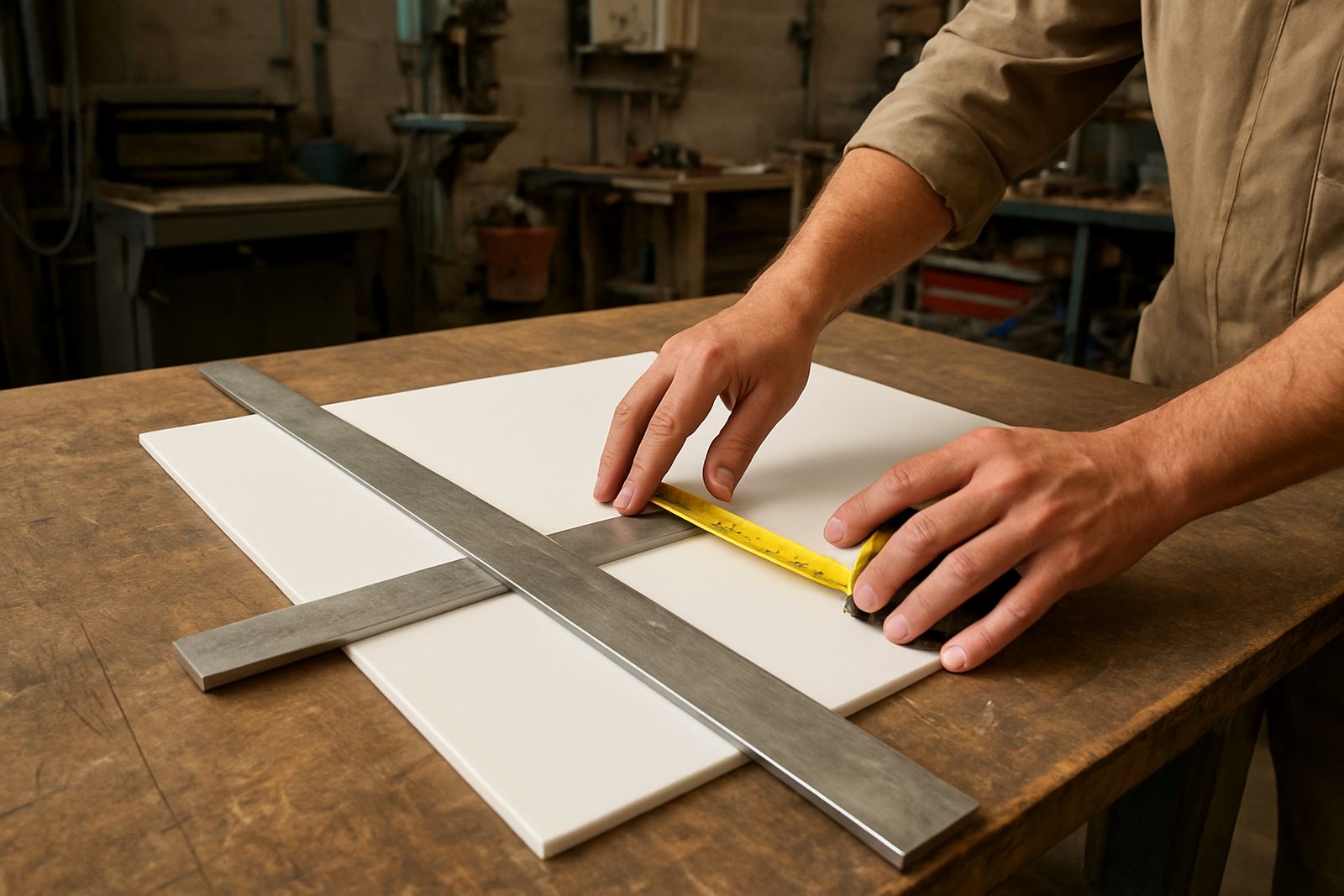
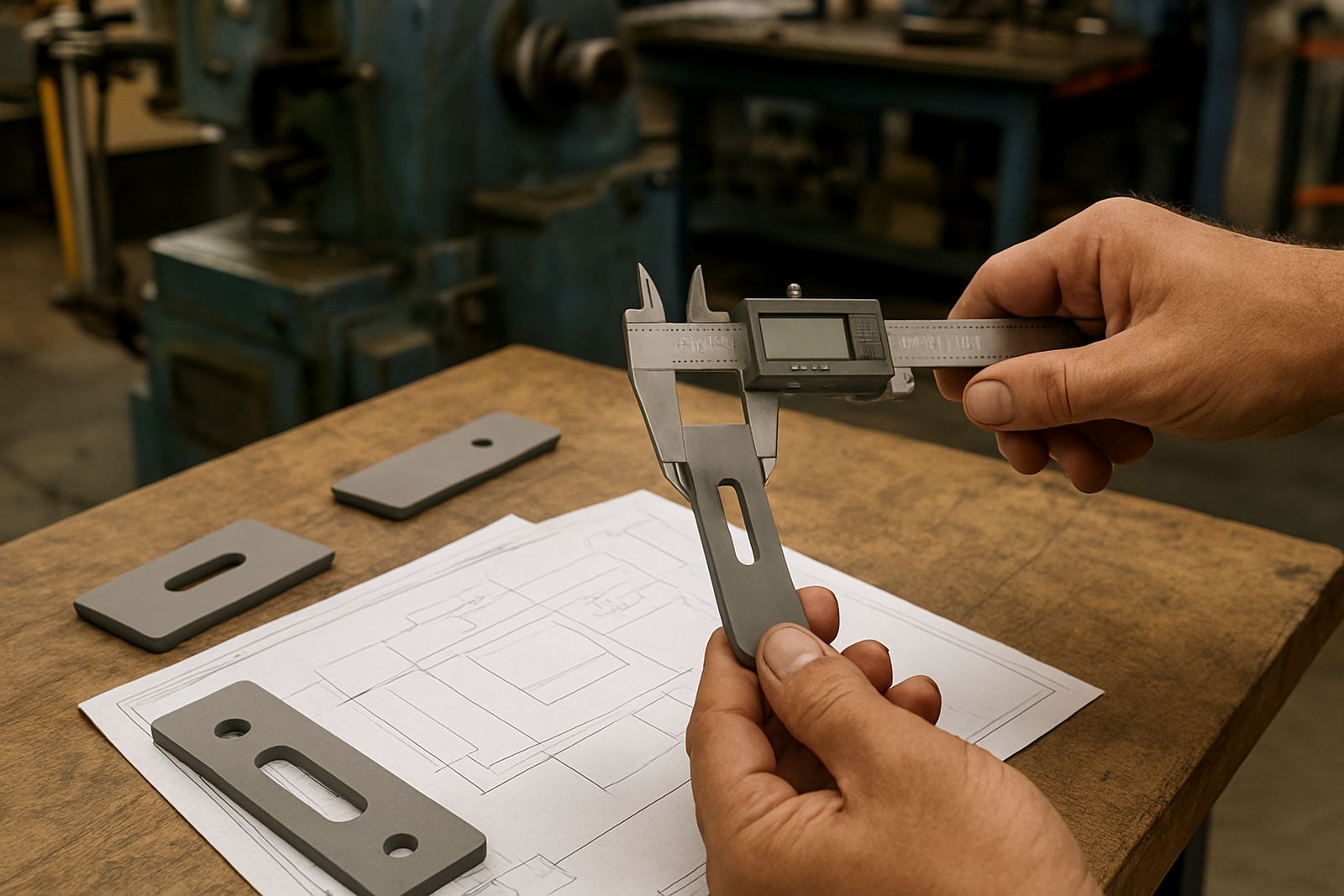
Tolerance is the allowed difference between the size on paper and the size of the finished part. If a panel is meant to be 600 mm wide and the job allows a 1 mm tolerance, the final piece can be a fraction under or over that size and still be acceptable. That small margin matters when parts must slot into frames, line up with fasteners or sit flush against a wall.
On routed plastic and signage, tolerance is not only about length and width. Hole spacing, corner radius, edge finish and depth of cut also count. A neat panel that is 2 mm out on a fixing pattern can give trouble on site, especially when the installer is working on a ladder in coastal wind or in a busy shop front where there is no room to adjust.
Why some sign parts need tighter control than others
Different materials behave differently. PVC foam board, acrylic, polycarbonate and engineering plastics each move a bit in heat, and some flex more than others. A sign face that will be riveted into a light box can usually allow a little more movement than a machined plastic spacer that must sit square in a bracket. For outdoor work in Table View and Blouberg, the salt air and sun also mean expansion and contraction must be planned for from the start.
In practice, the tighter the fit, the more carefully the job must be set up. Tool wear, clamping pressure and cutter choice all affect the final size. If a run of parts is being made for a Durbanville contractor or a shop fitout in Montague Gardens, we check whether the critical dimension is the outer size, the inner cut-out, or the fixing holes. That helps avoid a situation where the part is technically cut, but still does not fit on installation.
- Loose fit: suitable for decorative panels and general signage where small variation is fine
- Medium fit: common for bracket covers, routed lettering and panels that need tidy alignment
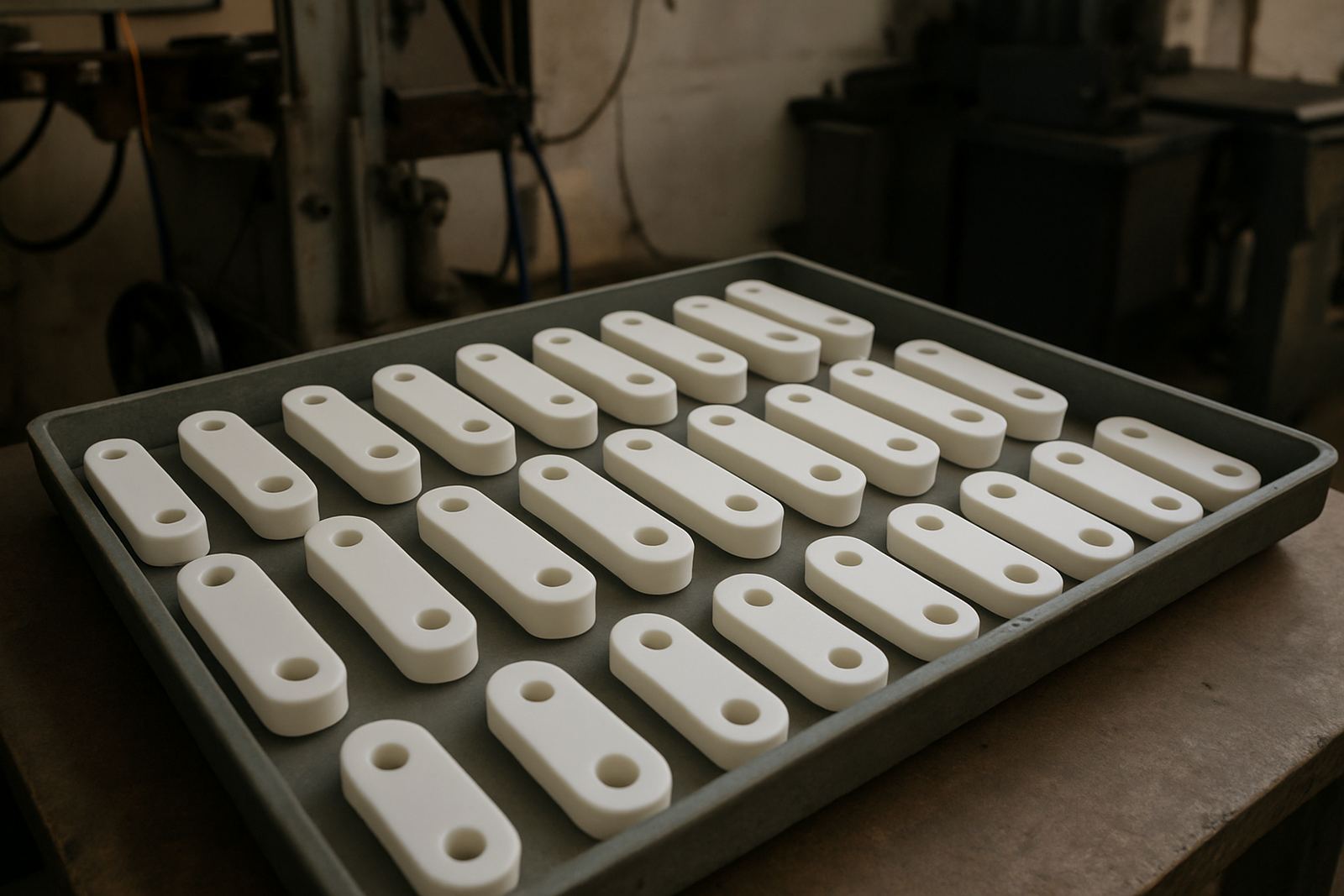
- Tight fit: used for engineering plastics, inserts and parts that must locate accurately
Material choice changes the tolerance you can expect
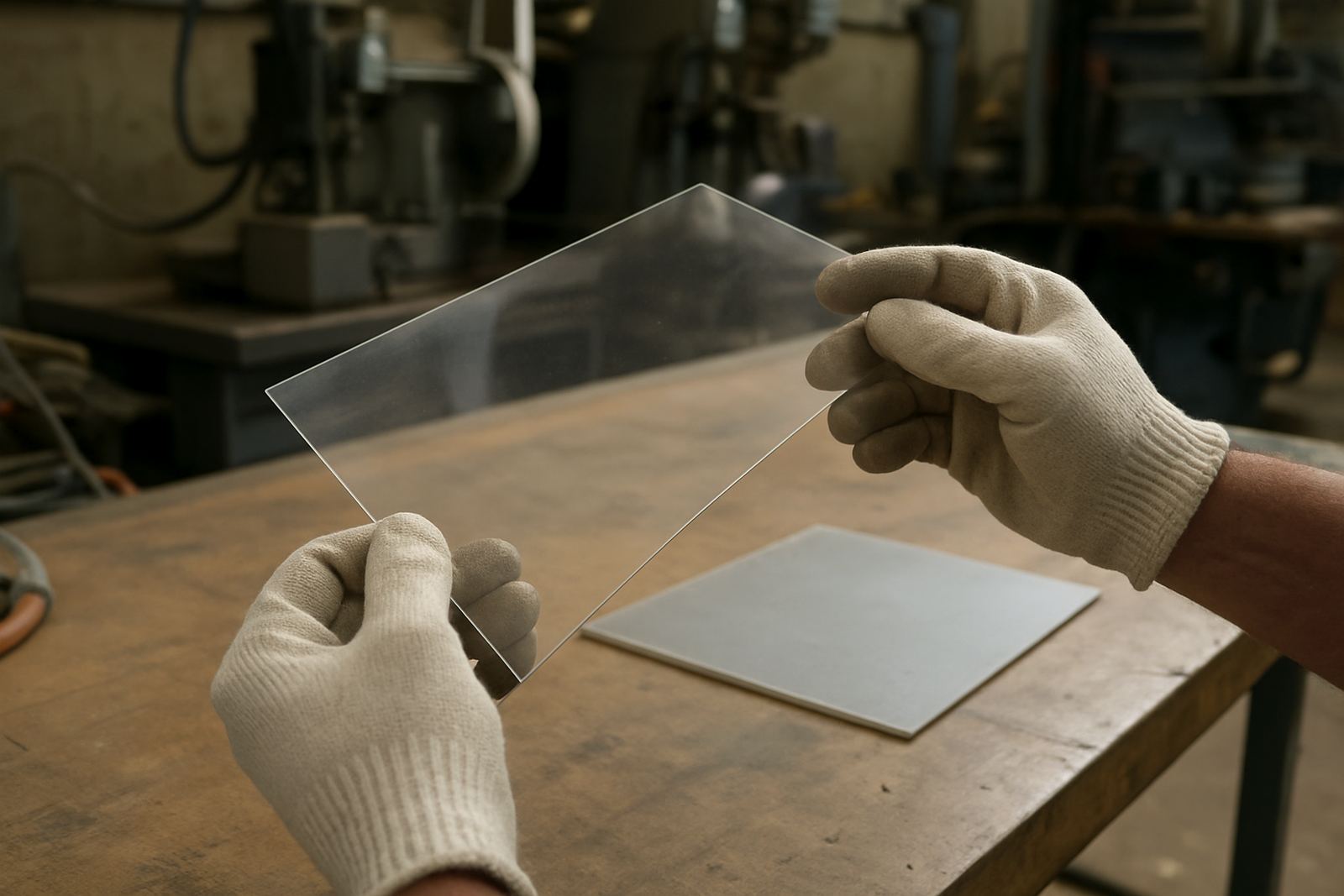
Plastic sheets do not all cut the same way. A rigid acrylic sheet can produce crisp edges but may chip if the feed rate is wrong. A softer PVC sheet cuts easily, yet can leave a slightly rounded edge if the tool is dull. Engineering plastics used for machine parts need more care again, because the part may later be drilled, assembled or handled under load.
Thickness also plays a part. A 3 mm sign panel is easier to keep flat than a 12 mm board, but the thinner sheet can move more while cutting. On larger panels, especially anything over 1.2 metres, the sheet can bow if it is not supported properly. That is why we allow for material behaviour, not only the drawing size. It is not just about the cut, it is about the job lasting once it leaves the workshop.
- Thin sheets may need extra support to stop lift or chatter
- Thicker plastics may need slower cutting to keep edges clean
- Clear plastics often need a finer finish so the edge does not show marks
How we set tolerances for signs and cut parts
We start with the drawing, sample part or installation note. Then we look at what the part must do on site. A fascia sign for a retail front in Parklands may only need neat outer dimensions and clean letter spacing. A machine cover cut from engineering plastic for a workshop in Paarden Eiland may need the holes, rebates and edge profile checked much more closely.
We also factor in the method of fixing. If a sign face is being screwed into an existing frame, the tolerance around the fixing holes may need to be larger so the installer can make minor adjustments. If the part is being bonded, the cut must be accurate because there is less room for correction. We keep notes on the job so the same part can be repeated later without starting from scratch.
For local conditions, allowance is sometimes needed for heat and humidity too. A part that fits perfectly in the cool workshop can shift a little once it is in the sun beside a road in Cape Town. The aim is not to overcut everything, but to choose a sensible tolerance that suits the final use.
Common problems caused by poor tolerance control
Most issues show up only when the installer is already on site. A panel may be too tight for the opening, screw holes may not line up, or engraved text may sit too close to the edge after trimming. In some cases the part is cut correctly but the drawing was not clear about which edge was the reference edge, so the finished piece looks off-centre.
When tolerances are ignored, costs go up quickly. There may be rework, extra material, and time lost while waiting for a replacement. On a coastal job in Blouberg, a simple misfit can turn into a second call-out because the wind picks up, the old fixings do not match and the crew has to stop. That is avoidable with the right measurements and a clear brief from the start.
- Wrong hole spacing can stop a panel from being installed at all
- Overcut edges can leave visible gaps or weak points
- Loose parts can rattle, move or wear faster over time
What to tell us before we route your parts
Clients do not need to use technical language, but the more practical detail we have, the better the result. If the part must fit inside an existing frame, send the internal size and not just the outside size. If the part is for outdoor use, say so. If it must match another panel, send both measurements. A little extra detail saves a lot of back and forth.
Helpful information includes the material type, thickness, quantity, finish and whether the edge will be visible. It also helps to know if the job is for signage, a safety notice, a routed template or a machine component. If the part will be installed in Table View, Milnerton, Cape Town or further out in Durbanville, let us know the site conditions so we can plan for access, fixing and weather.
- Supply a clear drawing or a marked sample if you have one
- State whether the size is exact or can vary slightly
- Tell us how the part will be fixed, screwed, glued or slotted in