What Sandblasted Sign Plates Are Made For
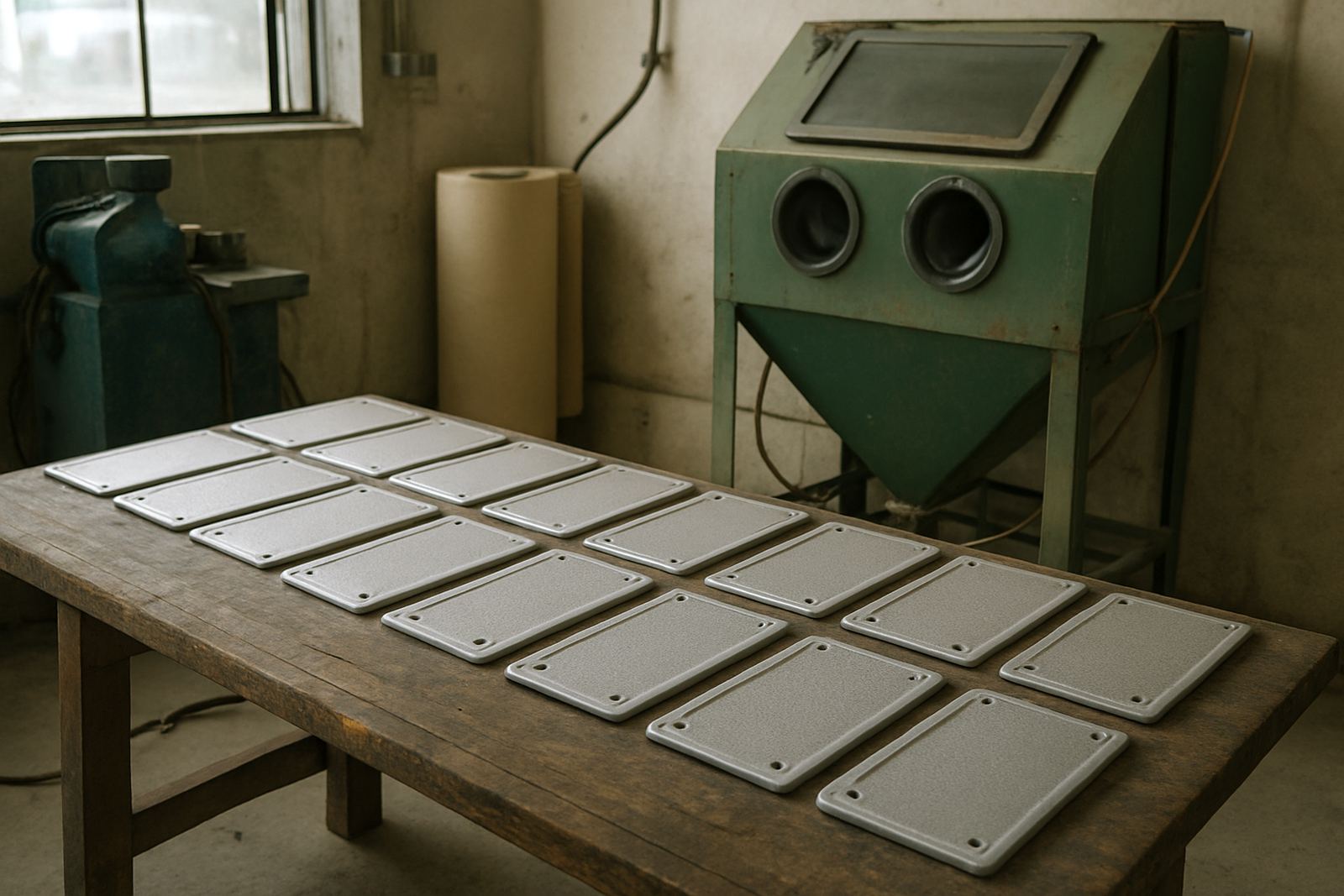
Sandblasted sign plates are engraved or recessed plates with a textured face and crisp letter detail. The sandblasting process removes the top layer of the material in selected areas, leaving the text, logo or pattern standing out clearly. That makes the plate suitable for entrances, office walls, workshop doors, memorials, directional signs and decorative branding where you want a more tactile finish than a flat printed panel.
We make these plates for commercial and industrial clients who want something that lasts in sun, salt air and day to day handling. In Table View, Blouberg, Milnerton and Parklands, many sites need signs that can handle coastal humidity and still look tidy after a few seasons. Sandblasted plates are a practical choice because the finish is not dependent on surface print alone, and the engraving gives the sign its depth. They are also good when the site has load-shedding issues, because the sign remains readable without lighting.
Material Choices, Sizes and Finish Options
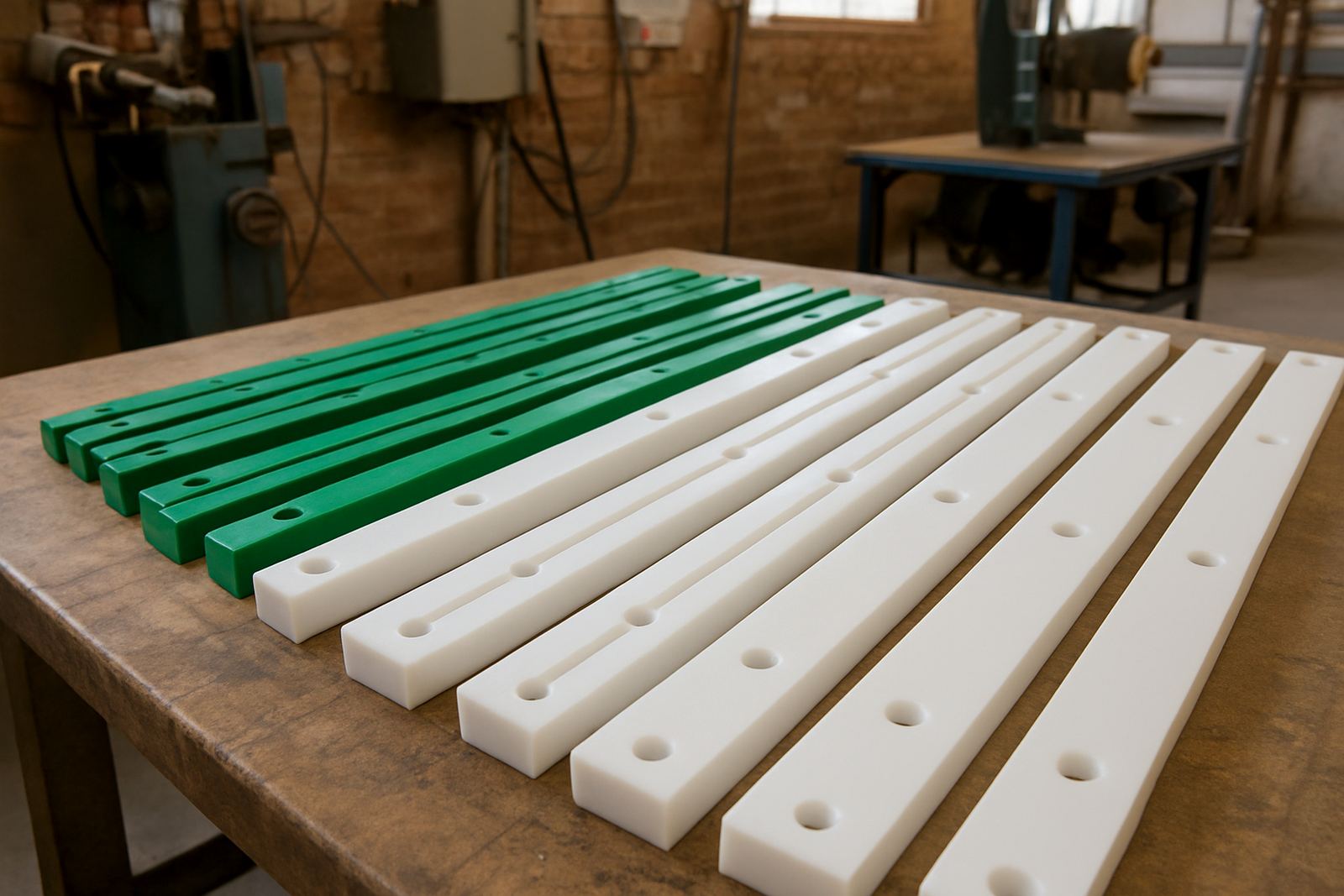
The right material depends on where the plate will go and how much wear it will take. We work with engineering plastics, acrylic, composite sheet and selected metals, depending on the required look and the mounting method. A plate for an office reception is usually lighter and finer, while a yard sign or gate plate may need a thicker base and more secure fixing points.
- Standard thicknesses: 3 mm, 5 mm and 10 mm depending on material and application
- Common plate sizes: 150 x 100 mm up to large format panels for entrances and walls
- Finish options: matt, colour-filled engraving, polished edge, or textured sandblasted face
- Lettering: single line text, multiple lines, logos, arrows and numbering
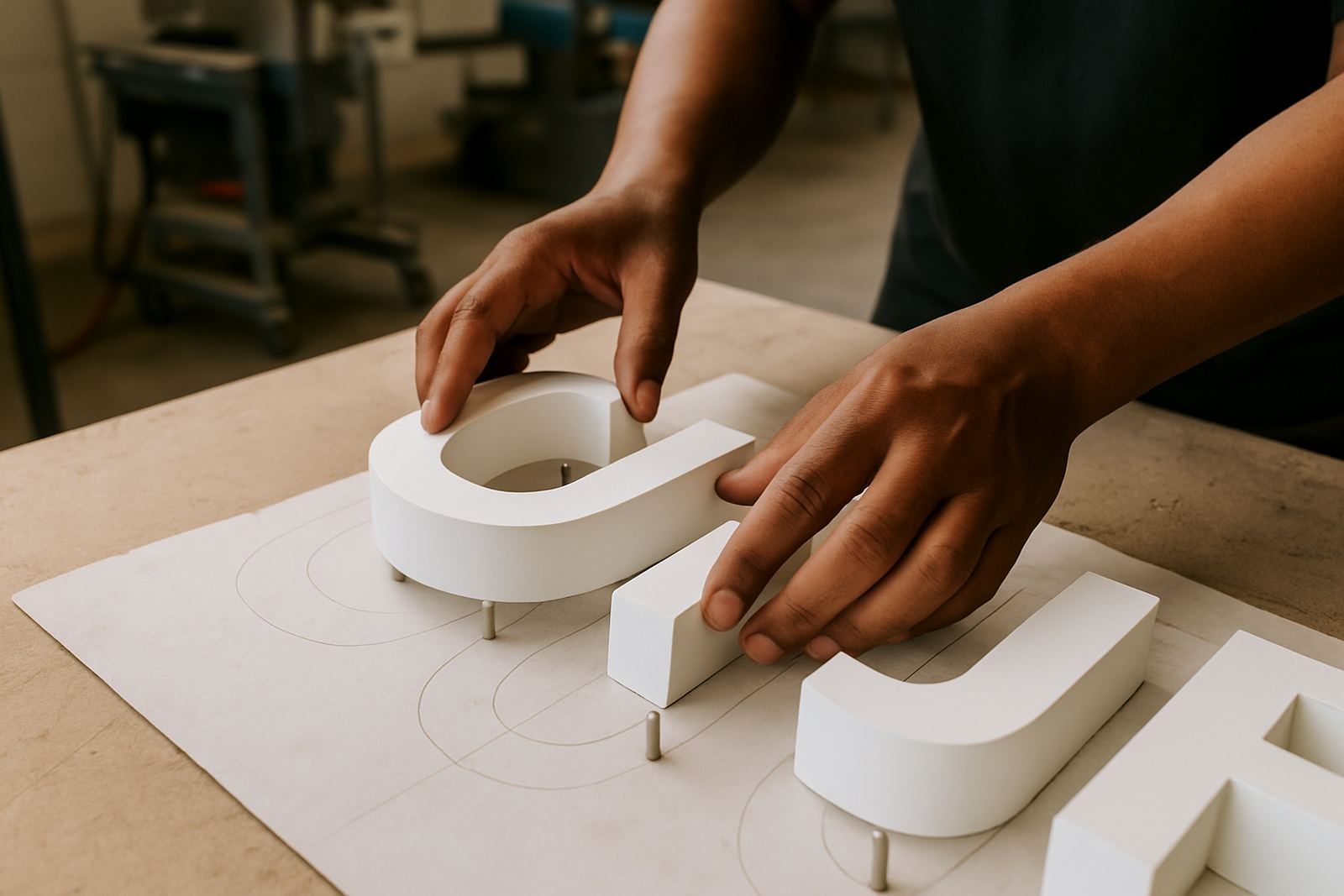
- Mounting: drilled holes, countersunk fixings, stand-off spacers or adhesive backing
We can also cut plates to custom shapes, including rounded corners, tapered ends and shaped tags for plant rooms or equipment labels. If you need repeated sets for a block of offices or a factory floor, we can keep sizing consistent so the job looks neat and easy to read. The workshop setup lets us machine clean edges and keep tolerances tight, which matters when plates have to fit into existing frames or recesses.
Where Sandblasted Plates Work Best
These plates suit a wide mix of sites because the finish is formal without being flashy. They work well on retail entrances, factory gates, office reception walls, body corporate common areas, warehouse doors, surgery rooms, stairwells and private residences. In some cases, a client wants a more decorative piece for a courtyard or entrance pillar, while in others the need is purely functional, such as numbering bays, marking plant rooms or identifying machinery.
Sandblasted sign plates also suit schools, strata complexes and light industrial units where clear identification is needed but the sign must still look presentable from the road. In Cape Town and Montague Gardens, we often get requests for signs that need to stand up to dust, irrigation spray and general cleaning. A sandblasted plate is a good middle ground between a plain sticker sign and a heavier fabricated light box. It gives the site a more permanent feel and is easier to maintain.
- Business entrances and reception areas
- Directional signs and room identification
- Gate plates and address markers
- Industrial equipment labels
- Decorative name plates and wall pieces
Installation, Mounting and Power Requirements
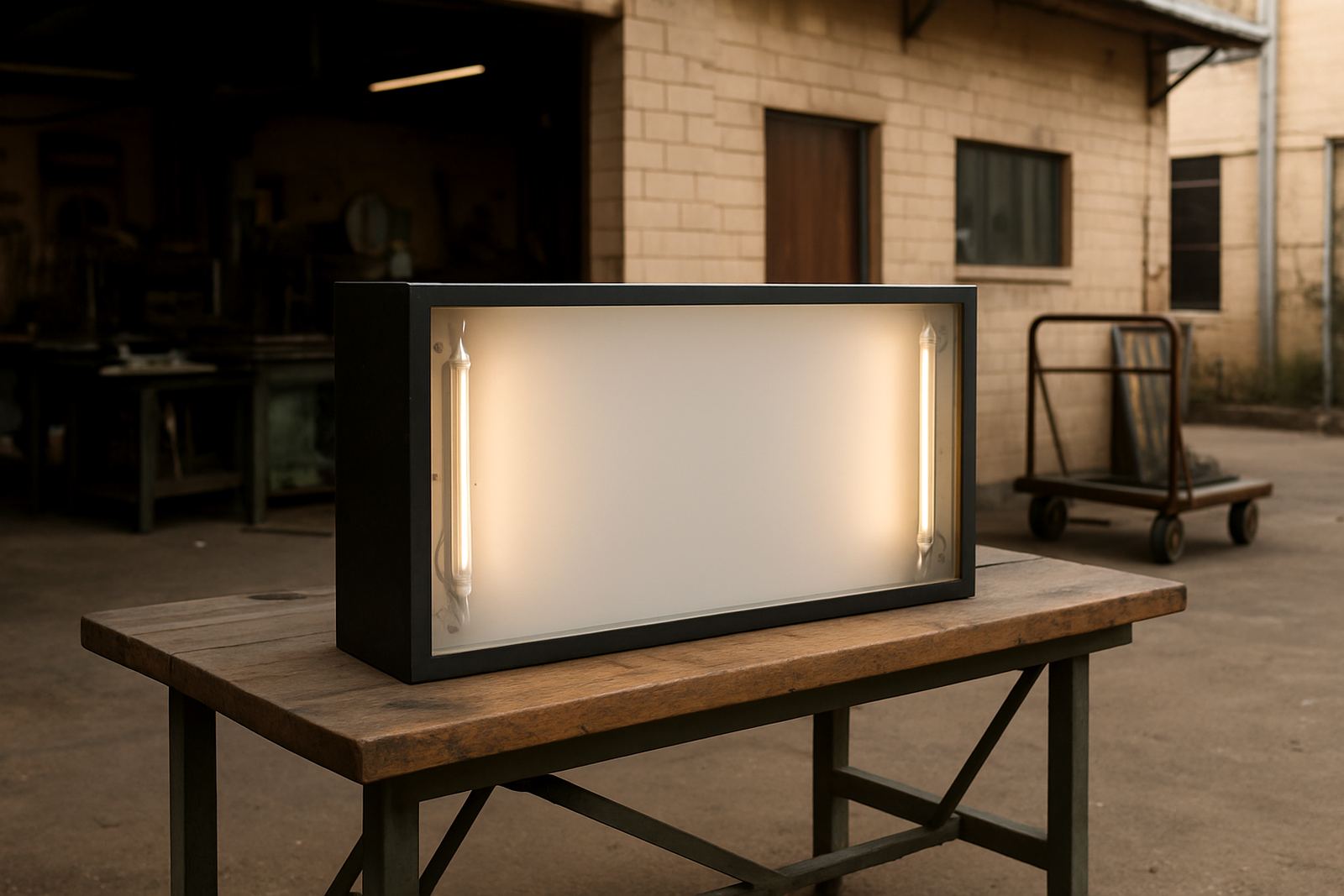
Most sandblasted sign plates do not need power at all, which keeps the installation simple and avoids extra wiring on site. If a client wants the plate paired with a light box, external light fitting or illuminated mounting point, we can plan for that during manufacture. For standard plates, the main concern is the wall type and the fixing method. Brick, concrete, cladding, timber and plasterboard each need a different approach to avoid movement or cracking.
We install throughout Table View, Blouberg, Milnerton, Durbanville, Paarden Eiland and Cape Town, and we check access before starting. On coastal sites we prefer fixings that resist corrosion and retain strength over time. Where the plate will be exposed to wind, direct sun or cleaning chemicals, we recommend a mounting style that allows for expansion and safe removal if servicing is needed. If the sign is going onto a boundary wall, gate or entrance pillar, we also look at visibility from passing traffic so the final position is practical as well as tidy.
- No power required for standard plates
- Optional drilled or hidden fixings for a cleaner look
- Outdoor fixings can be specified for coastal conditions
- We can install onto masonry, cladding, timber and metal surfaces
Care, Cleaning and Sign Maintenance
Sandblasted plates are low-maintenance, but they still benefit from proper cleaning. A soft cloth, mild soap and clean water are usually enough for routine care. Harsh abrasives can flatten the texture or dull the surface, so they should be avoided unless the plate is a heavy industrial type made for rough handling. For colour-filled lettering, gentle cleaning helps keep the contrast sharp for longer.
If a plate is outdoors near the coast, a periodic wipe-down helps remove salt residue and keeps the edges looking neat. In workshop settings, dust, oil and solvent splash can build up on the face of the plate, so it is worth checking the sign during regular maintenance rounds. We also handle sign maintenance for existing clients, including re-fixing loose plates, replacing worn fixings and refreshing damaged sections where practical. If a plate has been bumped or the mounting has worked loose, it is best to deal with it early before the damage spreads.
What To Check Before You Order
The best results come from a clear brief before manufacture starts. You do not need every detail worked out, but the more we know about the site and the purpose of the plate, the better we can advise on material, thickness and fixing style. A reception sign has different needs from a plant room label, and a decorative plate may require a finer finish than a safety marker.
- Exact wording, spelling and line breaks
- Logo or artwork files if the plate includes branding
- Indoor or outdoor use
- Preferred size, or the space available on site
- Mounting surface and whether drilling is allowed
- Any colour preferences for text or background
- Whether the plate must match existing signage on site
If you are unsure about the layout, we can help with practical choices based on visibility, distance and placement. For example, a plate viewed from a driveway may need larger lettering than a sign viewed at arm’s length. For businesses in Blouberg, Parklands and Durbanville, that sort of detail matters because the sign has to work in bright sun, changing light and busy street conditions. A little planning at the start saves rework later and keeps the final plate looking proper.
Key facts
| Material options | Engineering plastics, acrylic, composite sheet and selected metals |
|---|---|
| Thickness range | 3 mm, 5 mm and 10 mm |
| Typical sizes | 150 x 100 mm to large format entrance panels |
| Finish | Textured sandblasted face with optional colour-filled lettering |
| Mounting | Drilled holes, stand-offs, hidden fixings or adhesive backing |
| Power needs | None for standard plates, optional lighting can be added |