Design That Starts With the Site, Not Just the Artwork
Good sign design starts with how and where the sign will be used. We look at wall surfaces, viewing distance, fixing points, sun exposure, wind load and whether the sign must be read by vehicles, pedestrians or staff from across a yard. That matters in coastal areas like Table View and Blouberg, where salt air and afternoon glare can affect colour, finishes and fastening choices. We also factor in municipal rules, landlord limits and access for install crews.
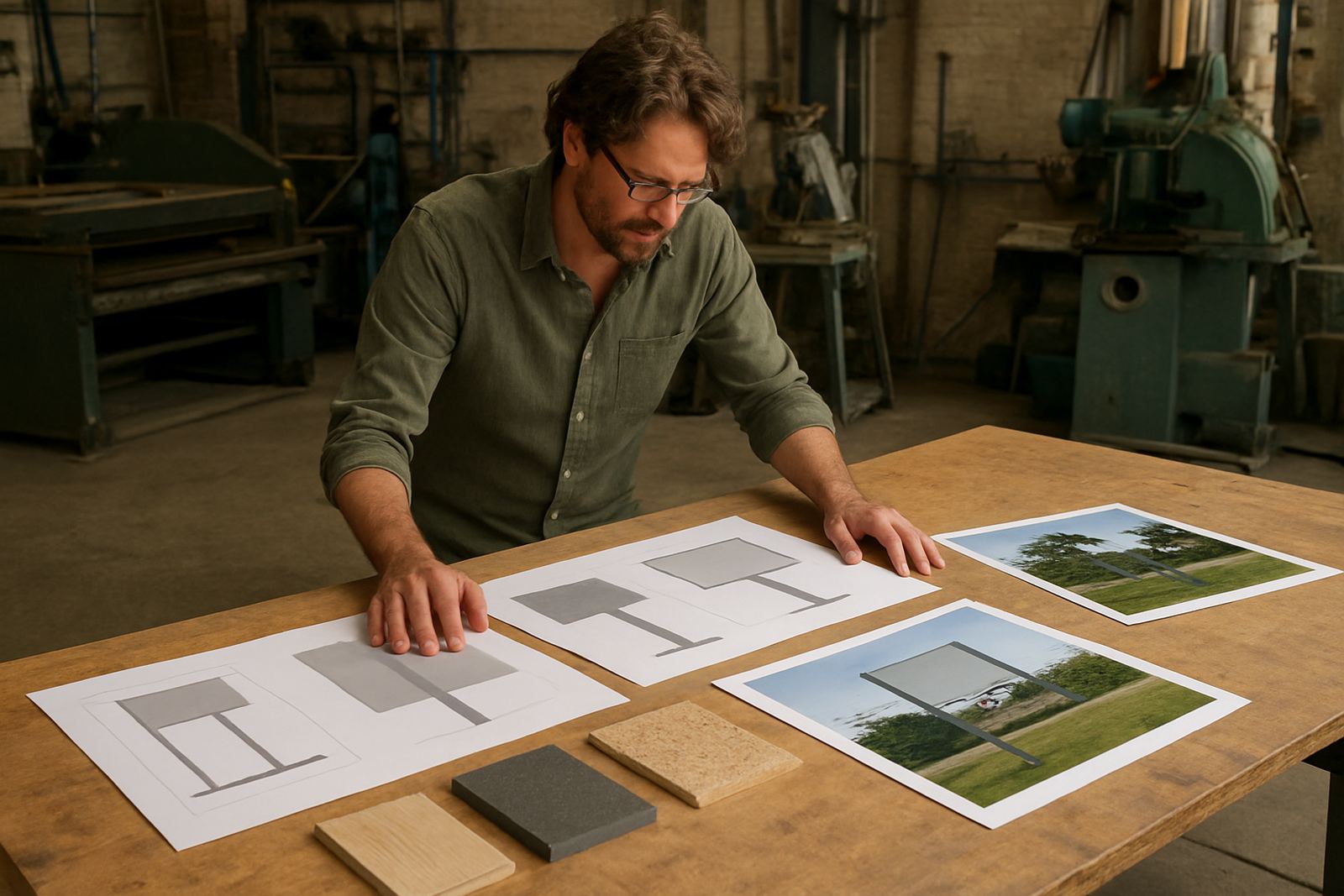
When you send through your concept, measurements or photos, we turn it into a practical layout that can be built in our workshop. That includes proportion, letter height, clear space, mounting method and legibility. If your brief is still rough, we can help shape it into something that suits the building and the job. The aim is simple: a sign that looks right and works right, not only on screen but on the wall too.
- Site check planning for walls, posts, windows and freestanding signs
- Colour matching guidance for painted, printed and illuminated work
- Layout advice for readability at 2 m, 5 m, 10 m or more
- Material selection for indoor, outdoor and coastal use
What We Include in a Sign Design Brief
Our sign design service covers the details needed before manufacture starts. We prepare artwork for shopfront branding, office identification, directional signs, safety signs, light boxes, branded panels and cut vinyl graphics. If the job needs engraving, routing, sandblasting masks or layered build-up, the design is prepared with those production steps in mind. That saves time later and reduces errors during fabrication.
We work with your logo files where available, or we can redraw low-resolution artwork into cleaner production files. If you have brand colours, we use them as closely as the material and print method allow. For signage that must be seen in load-shedding or low-light conditions, we can also plan for reflective film, face illumination or contrast-heavy layouts. Clean lines, correct spacing and sensible fixing positions matter more than fancy effects.
- Artwork setup for manufacture and installation
- Dimensioned layouts and basic sign mock-ups
- Font and colour recommendations for visibility
- Production notes for routing, wrapping, printing or engraving
How the Design Process Works
We keep the process practical and straightforward. First, we confirm the brief and the sign purpose. Then we ask for measurements, photos and any branding files you already have. If needed, we arrange a site visit in Table View, Milnerton, Blouberg, Parklands, Durbanville, Montague Gardens, Paarden Eiland or Cape Town. From there we prepare a workable design direction and confirm materials, size and fixing method before manufacture. It is a proper step-by-step process, not guesswork.
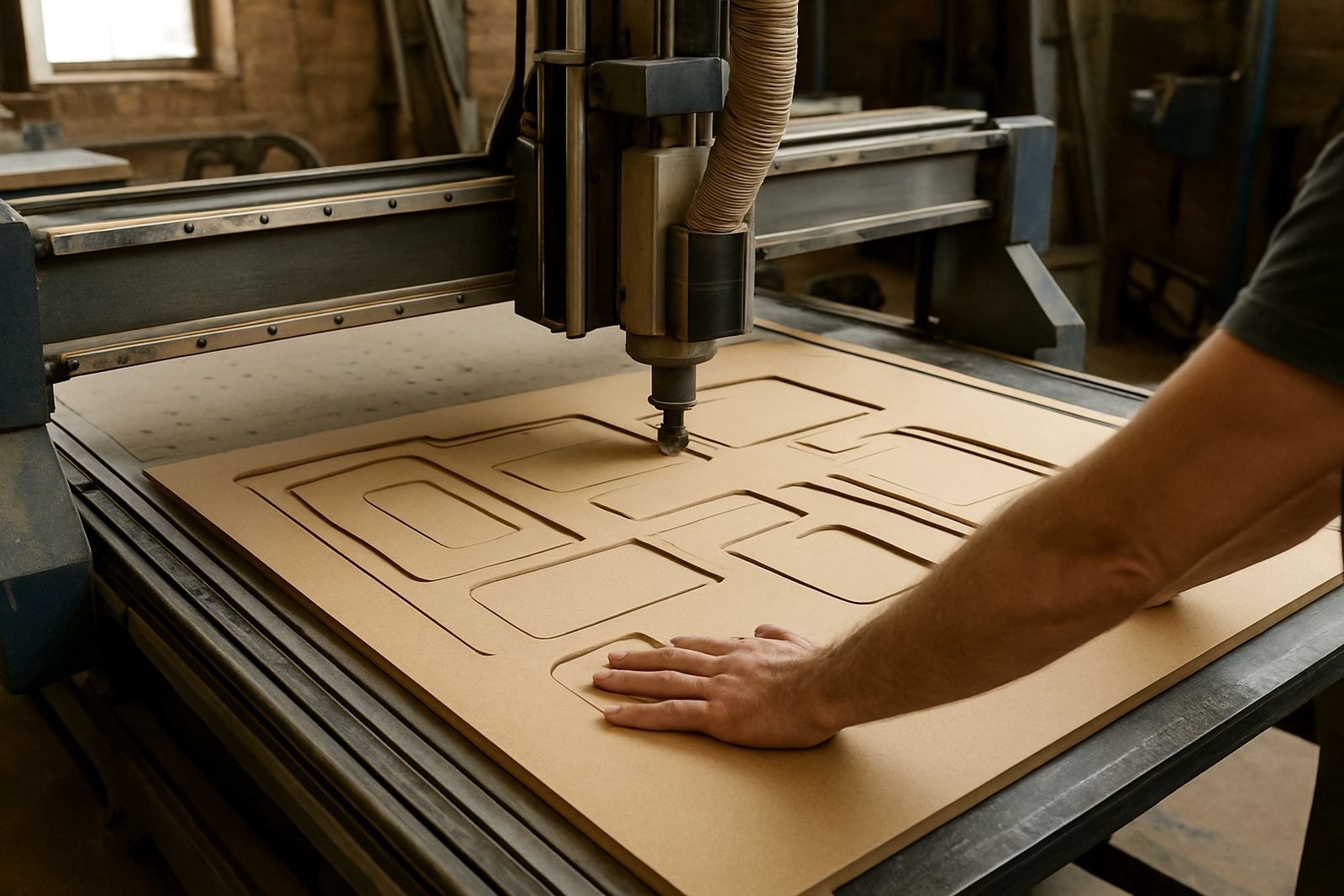
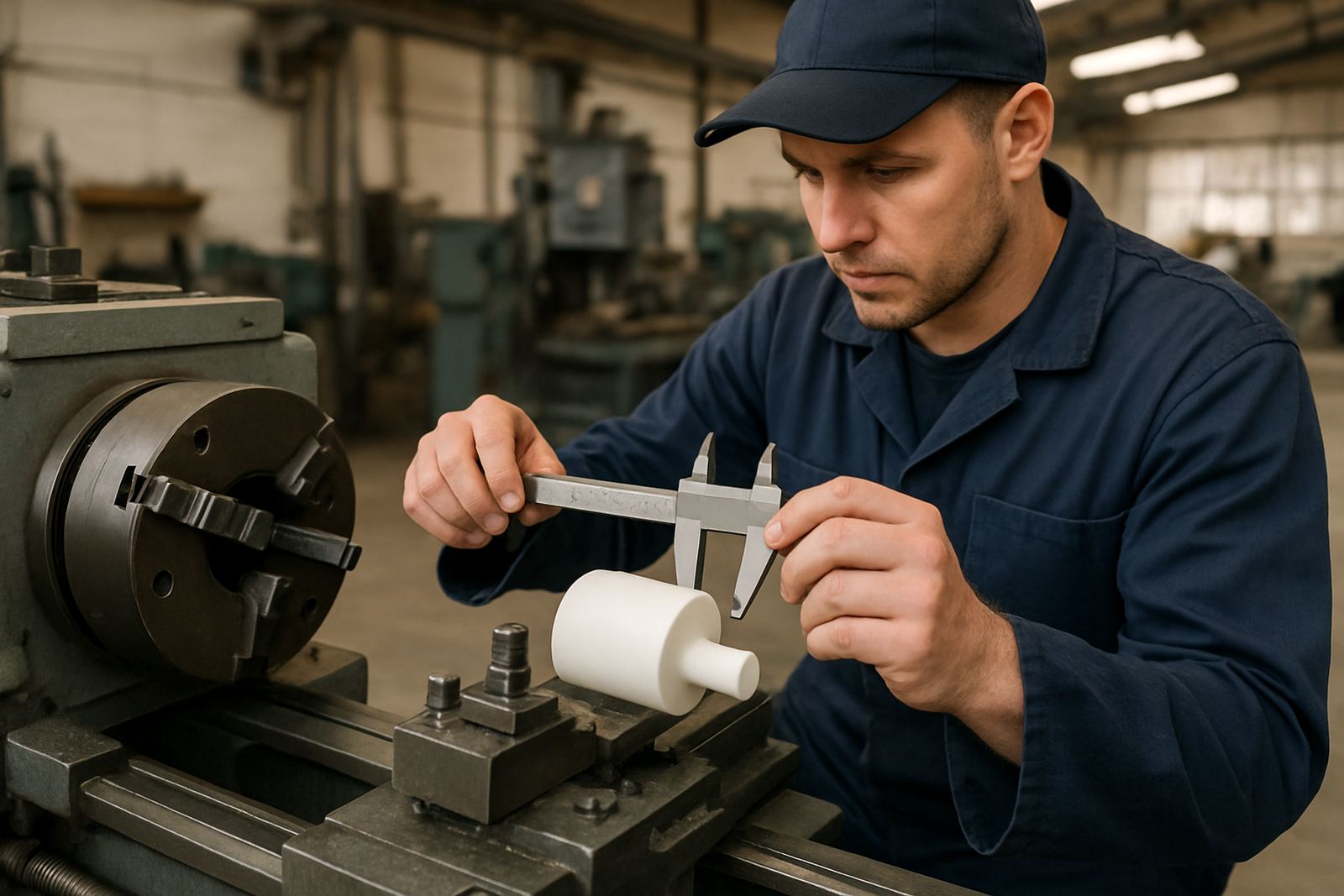
Once the layout is approved, the workshop uses the design to cut, route, print or fabricate the parts. For multi-part signs we keep tolerances tight so the assembled result lines up neatly. If there are site changes, we adjust the design before cutting starts. That helps avoid wasted material and keeps the job on schedule.
- 1. Brief and measurements
- 2. Site photos or visit where needed
- 3. Draft layout with size and material notes
- 4. Approval before production
- 5. Manufacture, install and handover
Turnaround Times and When to Expect Revisions
Turnaround depends on the size of the sign, how much artwork must be prepared and whether the job needs site measurements first. A straightforward safety sign layout may be turned around quickly, while a shopfront package with light boxes, panels and vehicle graphics takes longer because each part must be checked against the final dimensions. For most standard work, we aim to keep the design stage moving so fabrication can start without delay.
Revisions are part of getting the sign right. We normally allow for one or two practical rounds of changes on the layout, especially where wording, contact details or proportions need tweaking. If your team is still finalising brand elements, we can hold the production file until everything is confirmed. That avoids rework and keeps the install date realistic. In busy periods, a clear brief at the start makes a big difference.
- Simple layouts: often a few working days, depending on the queue
- Measured shopfront or vehicle work: allow more time for checks
- Complex illuminated or multi-panel signs: allow for approval and fabrication stages
- Rush jobs are handled case by case, subject to workshop capacity
Pricing Approach That Makes Sense for Businesses
Sign design pricing depends on the scope of the work, the number of layouts required and whether site measurement or technical drawing support is needed. A single safety sign is priced differently from a full exterior branding package. We quote on the actual task, not on a generic rate that ignores the work involved. That keeps things fair for small businesses, property managers and larger sites with multiple signs.
Where possible, we combine design with manufacture so you get one coordinated plan and less back-and-forth. If the sign is likely to need future updates, such as tenant names, opening hours or compliance wording, we can design it in a way that makes changes easier later. For companies with multiple branches, we can also create a repeatable sign format that suits different sites while keeping the same look across all locations.
- Quoted per job based on size, complexity and revision count
- Measurements and material choices affect final pricing
- Combined design and manufacture can reduce total project time
- Repeat formats help lower costs for branch rollouts
Maintenance Planning for Signs That Keep Their Shape
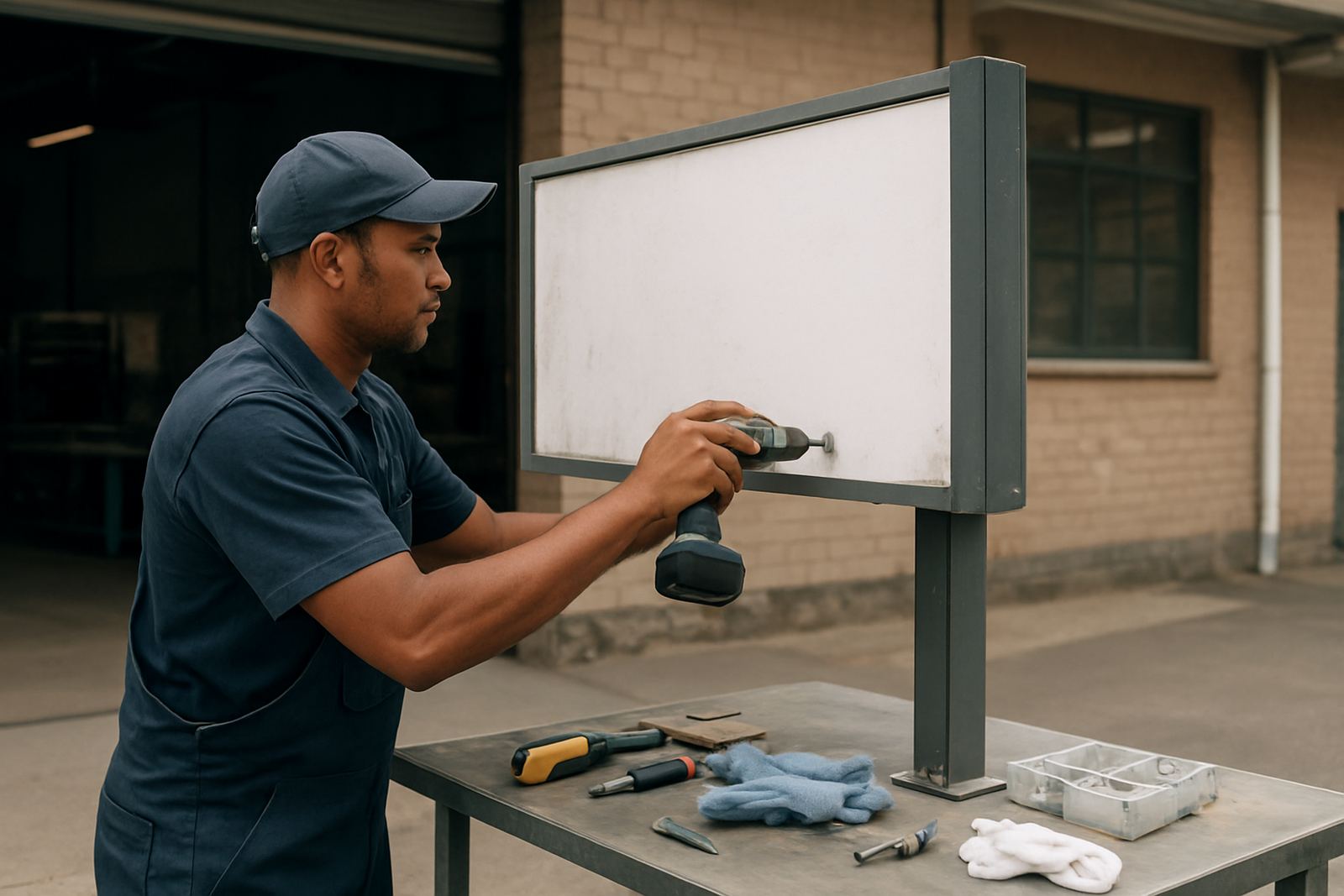
Design should also make maintenance easier. In coastal conditions, adhesive systems, face panels and metal fixings should be checked from time to time, especially on signs exposed to wind and salt air. For illuminated work, we recommend planning for lamp or component access and enough space for safe servicing. A sign that can be opened, cleaned and re-secured properly will last longer and look better between services.
As a general guide, shopfront and exterior signs should be inspected every 6 to 12 months, while coastal or high-exposure sites may need closer attention. We also advise a visual check after major storms or strong winds. If the sign is part of a rental property or retail centre, keeping a simple maintenance record helps with compliance and handover between tenants. Little things like loose trim, fading vinyl or water ingress can be sorted before they turn into bigger repairs.
We design with this in mind so your sign is not difficult to service later. That saves money over time and keeps the front of the business looking neat and presentable.
Key facts
| Service area | Table View, Milnerton, Blouberg, Parklands, Durbanville, Montague Gardens, Paarden Eiland and Cape Town |
|---|---|
| Common sign types | Shopfront signs, safety signs, light boxes, vehicle graphics, directional signs |
| File support | Existing logos, redraws, measured layouts and production-ready artwork |
| Typical material planning | Acrylic, aluminium composite, vinyl, reflective film and engineering plastics |
| Site factors | Wind, salt air, sunlight, fixings, viewing distance and access |
| Maintenance interval | Visual checks every 6 to 12 months, sooner on coastal sites |