What Our CNC Routing Service Covers
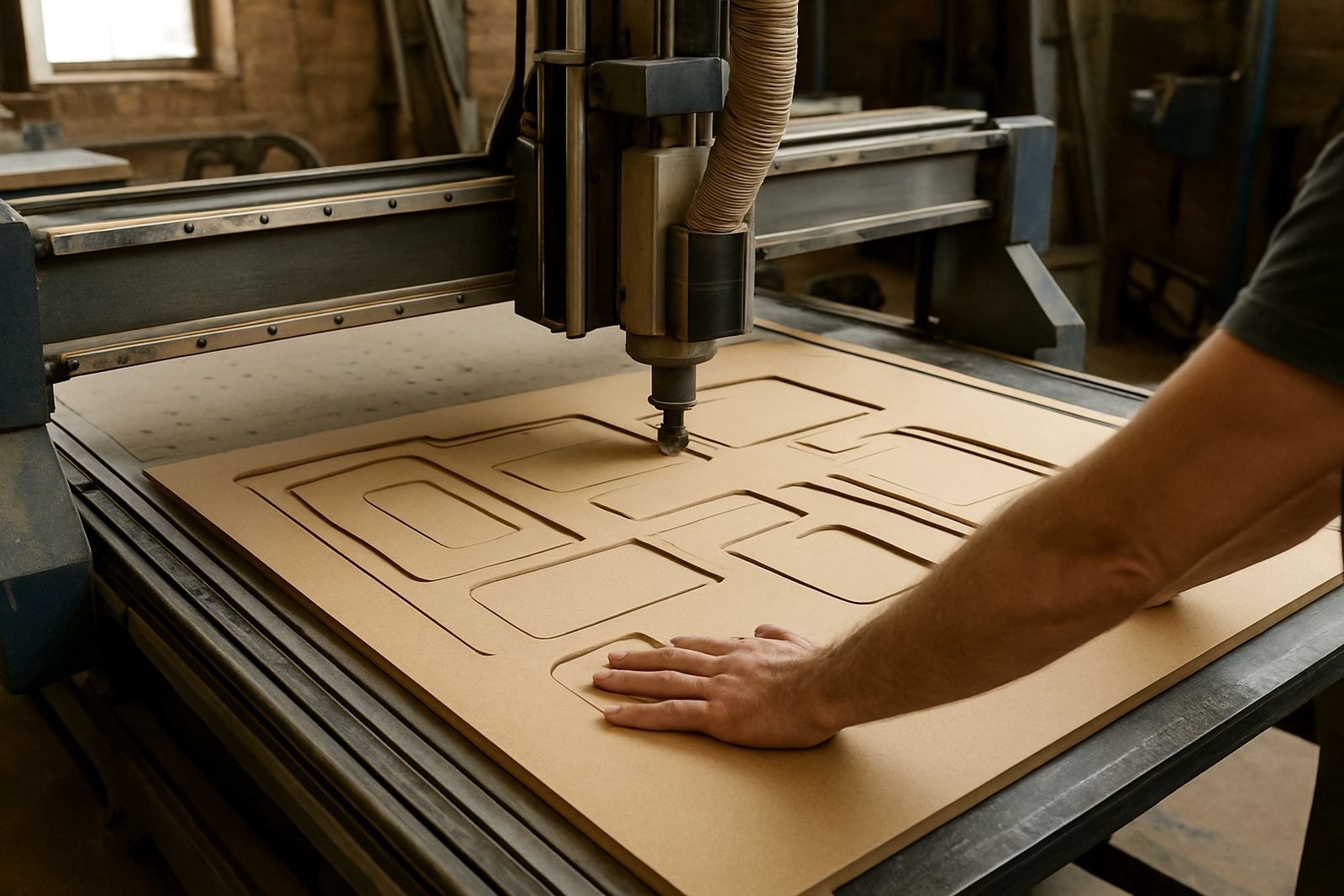
CNC routing is the right choice when a part needs repeatable accuracy, clean profiles and a consistent finish. We cut signage panels, box letters, mounting boards, gasket shapes, control labels, templates and custom plastic components for shopfronts, workshops and industrial sites. Where a hand cut edge can vary from one piece to the next, a routed part stays true to the drawing and is easier to assemble on site.
Our workshop handles small batch work as well as larger runs. Materials include acrylic, PVC foam board, HDPE, polycarbonate, engineering plastics and laminated sheet products. We also machine components for sign installers, builders, fabrication shops and maintenance teams who need cut parts on time, not next week.
- Letters, logos and fascia panels
- Gaskets, seals and shaped inserts
- Spacer blocks, brackets and plastic spacers
- Mounting plates and drilled panels
How We Prepare Your Routing Job
Every job starts with measurements and a clear brief. If you already have artwork or technical drawings, we check the file for scale, line weight and any closed shapes that the cutter must follow. If you only have a sketch or sample part, we can measure it in the workshop and confirm the final size before cutting begins.
We then set the tool path, choose the cutting bit and plan the sheet layout to reduce waste. On thicker plastics or dense sheet stock, feed rate and tool choice matter a lot because too much heat can cause melting or edge distortion. For coastal work in Table View and Blouberg, we also consider sun exposure and moisture so the finished part keeps its shape better over time.
- File check and measurement confirmation
- Material selection and thickness check
- Tool path setup and sheet nesting
- Cutting, deburring and final inspection
Material Options, Sizes and Finish Details
We routinely route sheet sizes up to 2440 mm x 1220 mm, depending on the material and job type. Thickness can range from thin sign face material through to heavier engineering plastics used for wear parts and spacers. Cut edges can be left raw, flame polished where suitable, sanded smooth or prepared for adhesive fixing and mechanical fastening.
If the part is for exterior use, we look at UV exposure, wind loading and fixing points. For example, a routed sign panel for a retail front in Cape Town CBD needs different edge and fixing detail than a machine cover insert in Montague Gardens. The same is true for gaskets and sealing components, where accuracy matters more than appearance. If the fit is off by even a few millimetres, the job can fail at install.
We also supply cut to size pieces for fitters who need holes, slots, countersinks or curved corners already done. That saves time on site and helps keep the job tidy, especially when municipal rules or landlord conditions limit the amount of onsite work that can be done.
Turnaround Times That Suit Workshop and Site Work
Turnaround depends on material availability, job complexity and how much prep is needed before cutting. Simple repeat jobs can often be turned around quickly, while detailed lettering, multi-part nesting or thick engineering plastics may need more workshop time. We keep the schedule practical and will tell you straight if a deadline is realistic or if the job needs splitting into stages.
For urgent site work, we try to align the routing with installation and sign manufacture so you are not waiting on one missing piece. This is useful for retail openings, maintenance shutdowns and replacement parts where a machine or sign must be back in service as soon as possible.
- Small repeat cuts: often same day or next day
- Standard sign and plastic parts: typically 2 to 5 working days
- Complex or high volume jobs: based on drawing approval and material lead time
Pricing Based on Material, Time and Complexity
We price CNC routing according to the sheet type, thickness, total cutting time, setup time and whether the job needs drilling, engraving or finishing. A simple shape in standard sheet stock will cost less than a nested batch with tight tolerances, internal cut-outs and multiple tool changes. If the job uses engineering plastics or thicker material, machining time increases and so does the price.
Quotes are clearer when we receive dimensions, quantity, a sample or a clean drawing. We can also quote on repeat production, which helps businesses in Parklands, Durbanville and Milnerton plan stock with less guesswork. There are no hidden extras for a proper brief, but if the spec changes after cutting has started, we will price the extra work before continuing.
Maintenance, Rechecks and Replacement Intervals
Routed components need occasional checking, especially in outdoor or high wear settings. Sun, vibration, coastal moisture and cleaning chemicals can all affect plastics over time. We recommend inspection intervals based on use: every 3 to 6 months for exterior signage panels, every 6 to 12 months for indoor parts and sooner for gaskets or wear items in active equipment. If a part starts to warp, crack or loosen, replacing it early is usually cheaper than waiting for a larger failure.
For businesses that use repeat parts, we can keep the job spec on file for reorders. That makes replacement faster and helps keep the fit consistent from batch to batch. If needed, we can update the drawing when a fixing point changes or a machine is modified. It saves time and cuts down on site adjustments, which is useful when load-shedding or busy trading hours leave little room for delays.
- Exterior signs: inspect every 3 to 6 months
- Indoor parts: inspect every 6 to 12 months
- Gaskets and wear parts: replace at first sign of distortion or hardening
Key facts
| Max sheet size | 2440 mm x 1220 mm depending on material |
|---|---|
| Typical thickness range | Thin signage sheet through to heavy engineering plastics |
| Material types | Acrylic, PVC foam board, HDPE, polycarbonate and similar sheet stock |
| Cut detail | Letters, profiles, slots, holes, countersinks and curved shapes |
| Finish options | Raw edge, sanded, polished or prepared for fixing |
| Service area | Table View, Milnerton, Blouberg, Parklands, Durbanville and Cape Town |