Built for visibility in coastal light and load shedding
Light boxes need to be visible in bright daylight, after dark and during the short windows when power cuts interrupt normal trading hours. We fabricate each unit to suit the site, the viewing distance and the type of message being displayed. That can mean a slim wall mounted box for a retail frontage, a deeper double sided unit for a forecourt, or a larger fascia sign that must read clearly from the road.
For businesses in Blouberg and along the western side of Cape Town, coastal humidity can affect poorly sealed signage, so we focus on clean joins, proper weather protection and access that makes future servicing simpler. The result is a light box that keeps working and still looks tidy after regular use, a detail many clients only notice when a cheaper sign starts failing.
- Single sided and double sided light boxes
- Wall mounted, fascia mounted and projecting formats
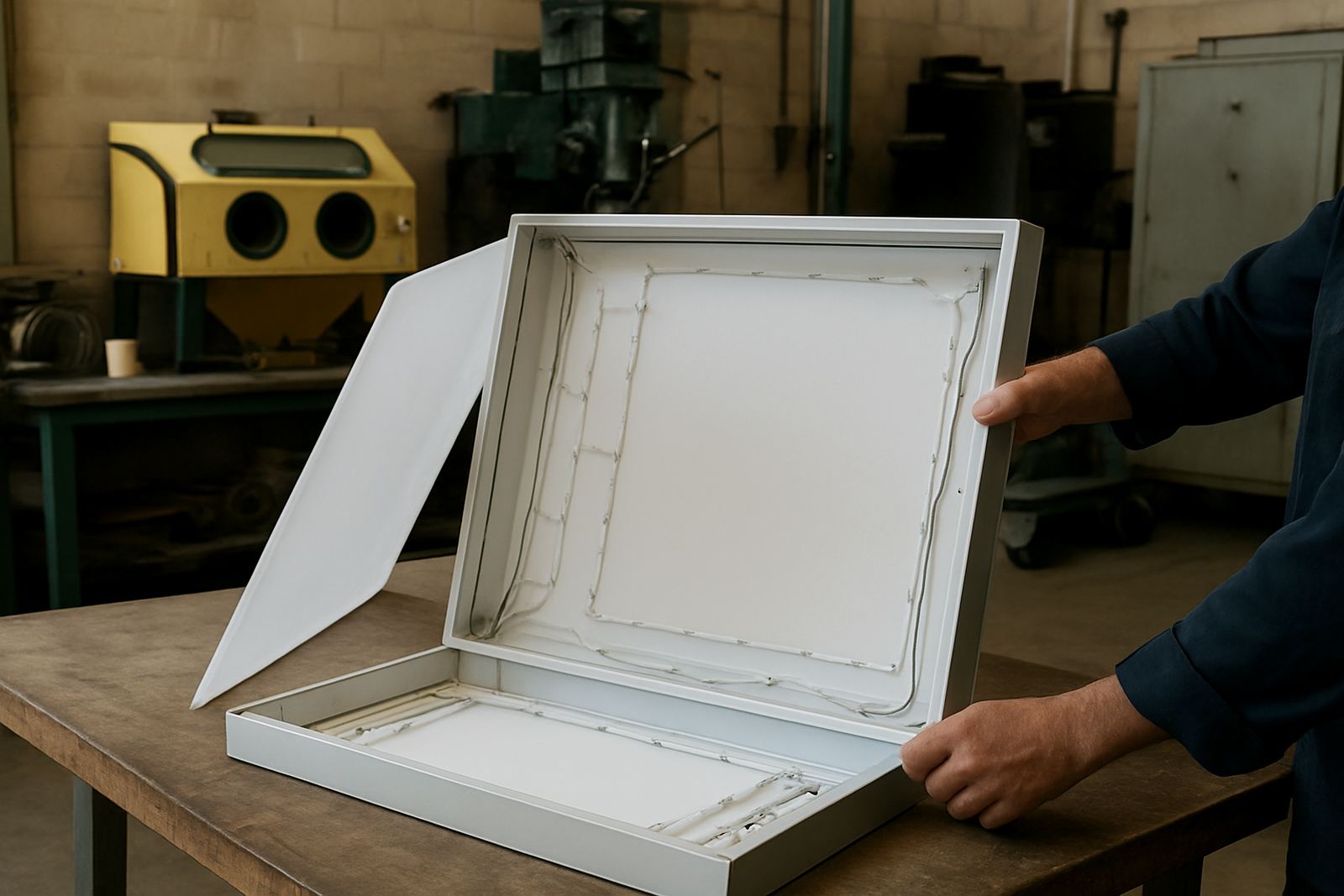
- Internal access panels for lamp or LED service
- Face panels made for print, vinyl or routed graphics
- Built to suit retail, industrial and office sites
What is included in our light box fabrication service
Our service covers the full build, from box construction to final fitment, so you do not have to coordinate separate contractors for the frame, the face and the installation. We also prepare the unit for practical servicing, which matters when a tube fails, a driver gives trouble or the face needs cleaning after dust or salt air exposure.
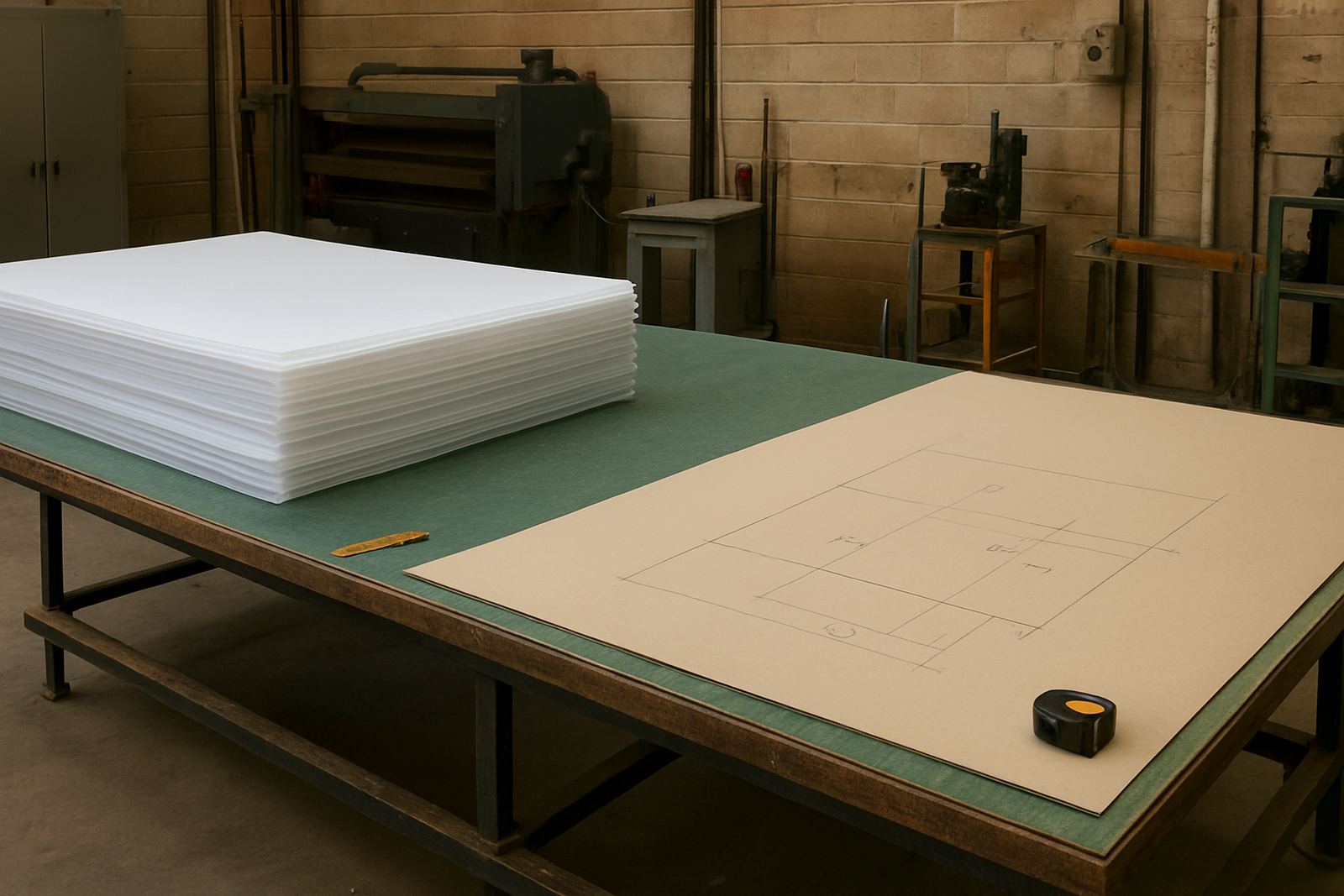
Typical inclusions depend on the design, but a standard project can include the frame, internal supports, translucent face panel, graphics application, lighting hardware, electrical preparation and site installation. If the sign must fit over an existing fascia or into a tight alcove, we measure carefully before fabrication to avoid waste and unnecessary rework.
- Site measure and layout check
- Fabricated steel or aluminium frame where suitable
- Translucent front face, opal or printed finish as required
- LED modules or other internal illumination where specified
- Access points for maintenance and future replacement
- Installation on approval of the final fabrication plan
How we fabricate and finish each box
The process starts with the sign size, the mounting position and the type of lighting needed. From there we confirm the frame dimensions, the depth of the box and the way the front face will be fixed. For some signs a slimmer profile is best, while others need extra depth to spread the light evenly across the face. Good light distribution matters, otherwise you get hot spots and dull corners.
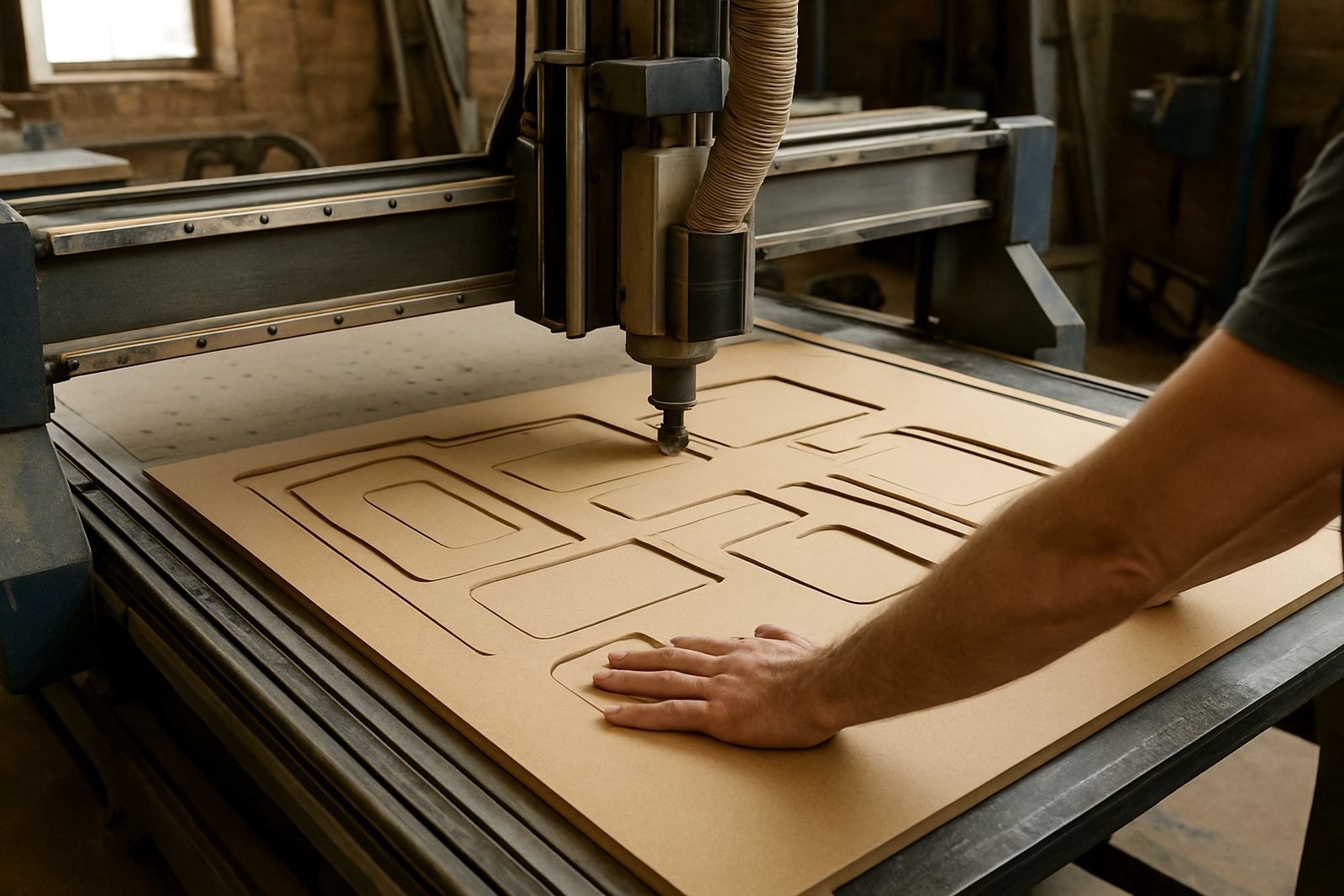
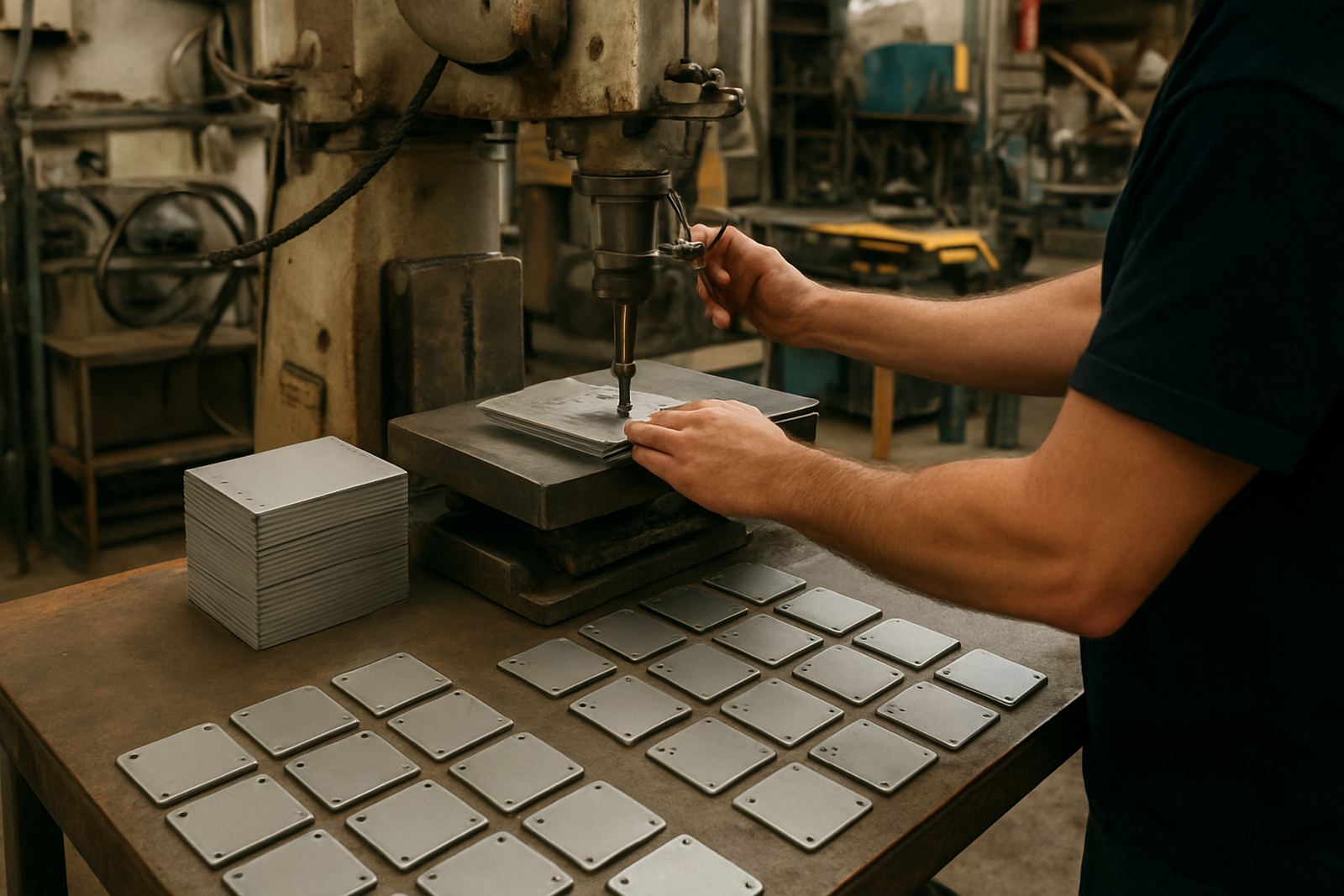
Our workshop team then cuts and assembles the structure, prepares the face and fits the lighting components. When needed, we use CNC routed parts for precise openings, separators and mounting plates. Electrical access is planned from the start so the sign can be opened without damaging the face or frame. Before delivery we check alignment, brightness and finish, and we test the unit as far as site conditions allow.
- Measure and confirm sign position
- Fabricate frame and internal support structure
- Prepare face panel and graphics
- Fit lighting and access hardware
- Check fit, finish and illumination before handover
Materials and specifications that suit South African sites
Different sites call for different materials. A busy retail frontage in Parklands does not need the same build as a warehouse yard in Montague Gardens. We choose materials according to exposure, budget and maintenance access. Where a sign faces wind, dust or direct sun, we prefer construction that stays straight and does not bow easily over time. For coastal locations, we pay attention to corrosion points and sealing, because even a small weak spot can shorten the life of a sign.
We also look at serviceability. If the box is installed high on a wall, maintenance should not require unnecessary dismantling. That is one reason we design practical access and keep the internal layout neat. It saves time later when bulbs or LED components need attention, and it keeps disruption to the business to a minimum. We can advise on suitable face thickness, box depth and mounting methods for your site, so long as the final spec is agreed before manufacture.
Common build choices include aluminium or treated steel frames, translucent face panels, opaque returns where needed and fitted light units arranged to suit the sign size. For cut lettering or logo features, we can combine light box fabrication with engraving or routed elements for a more precise finish.
Lead times and how light box fabrication costs are calculated
Turnaround depends on size, complexity and the amount of electrical work required. A straightforward small sign can be completed faster than a large fascia unit with custom face graphics and internal access panels. For most standard jobs, we give a practical lead time after the site check and approval of the final layout. If a project must be done around trading hours or building access rules, we plan the schedule accordingly.
Pricing is based on size, material choice, lighting specification, graphics method and installation conditions. A sign fixed to an easy ground level surface costs less to fit than one that needs access equipment, night work or extra preparation. We prefer to quote clearly, with the main cost drivers listed up front, so you can compare options without guesswork. If you need to balance cost against lifespan, we can show the differences between a basic build and a heavier duty version before you commit.
- Price depends on dimensions, finish and lighting type
- Installation conditions can affect labour and access costs
- Custom graphics and routed detail add to manufacturing time
- We quote after the site requirements are understood
Care, servicing and maintenance intervals
Light boxes perform best when they are checked before faults become visible to customers. In busy commercial areas, we suggest a visual inspection every 6 months, with a more detailed service once a year. Coastal sites, food outlets and signs exposed to heavy dust may need attention a bit sooner. Routine servicing usually includes cleaning the face, checking seals, testing lighting, inspecting mounting points and confirming that access panels still close properly.
If a face becomes cloudy, a fitting comes loose or illumination starts to dim, it is usually cheaper to address the issue early rather than wait for a larger failure. We can also maintain existing light boxes, not only units we have fabricated ourselves. That helps businesses in Table View, Milnerton and surrounding areas keep signs serviceable without replacing the whole structure unnecessarily.
- Visual check every 6 months
- Full service once a year, or sooner in harsh conditions
- Clean face panels and inspect seals regularly
- Replace failed lighting before it affects the whole sign
Working with Blouberg Signz & Engineering
Our team in Table View handles signage and workshop work under one roof, which helps when a project needs both fabrication and precise fitting. Johan Petrus van der Merwe oversees the business, with Amogelang Sebola coordinating operations, Willem Smit supervising the workshop and Musa Dlamini handling CNC machining where accurate parts are needed. That mix matters when a light box needs special brackets, cut openings or a neat mounting solution that fits the site first time.
We work with businesses across Blouberg, Parklands, Durbanville, Montague Gardens, Paarden Eiland and the wider Cape Town area. Whether you need one illuminated sign or several units for different entrances, we can help you choose a sensible size, a practical finish and a maintenance plan that suits your premises. If you want the sign to last, the build needs to be considered from the start, not patched together after installation.
Key facts
| Typical face thickness | 3 mm to 6 mm translucent panel, depending on size and light spread |
|---|---|
| Frame material | Aluminium or treated steel, selected to suit site exposure |
| Lighting options | Internal LED modules or other specified illumination hardware |
| Access method | Serviceable panels or removable sections for maintenance |
| Common sizes | Small wall signs from 600 mm wide, larger fascia units built to order |
| Recommended maintenance | Inspection every 6 months, full service once a year |