What the Philippi floor needed
The client was a busy manufacturing operation in Philippi, Cape Town, with multiple work zones, storage points and checking stations. The floor had grown in stages, so staff were using a mix of old signs, handwritten labels and taped notices that did not always match the actual process flow. The brief was simple enough to say, but detailed in practice: make the route through the floor clear, label every key point consistently, and do it in a way that would last in a working industrial space.
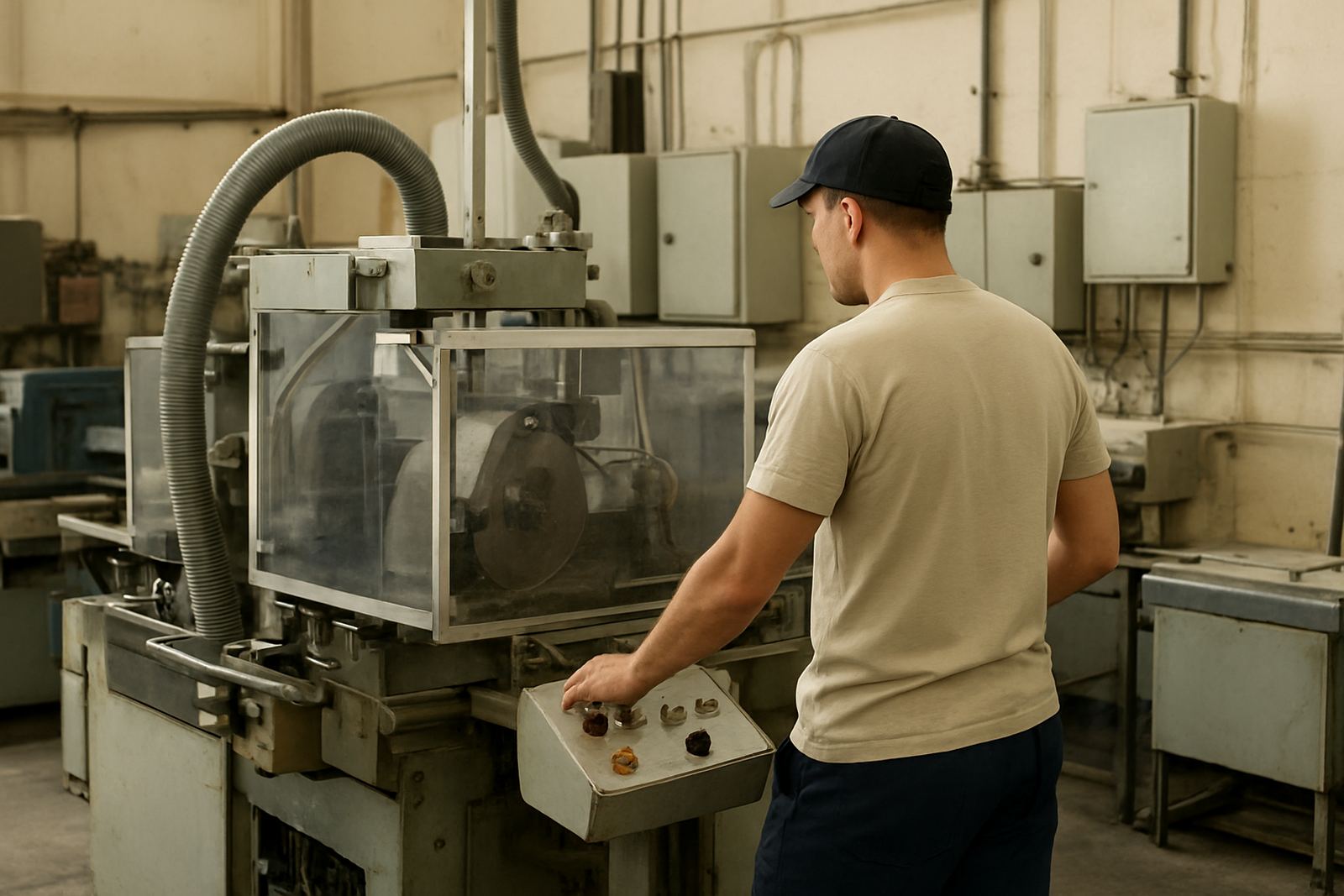
We first walked the layout with the operations team and noted where people entered, where materials changed hands, where finished stock left the line, and where safety notices had to be visible from a distance. The site had limited downtime for installation, so the sign set had to be planned around shifts and cleaning windows. Moisture from washdowns, airborne dust and the usual knocks from trolleys all had to be considered.
- Site: Philippi, Cape Town
- Client type: Manufacturing floor with production, storage and dispatch areas
- Need: Wayfinding, process control and safety labelling
- Constraint: Short installation windows and regular floor movement
How we set out the sign system
We broke the project into three parts: direction boards, process labels and compliance signs. Direction boards were used to guide staff to zones such as intake, staging, in-process areas and dispatch. Process labels marked machines, racks, bins and control points. Compliance signs covered safety notes, PPE reminders and restricted areas. The aim was not decoration, it was speed and clarity under pressure.
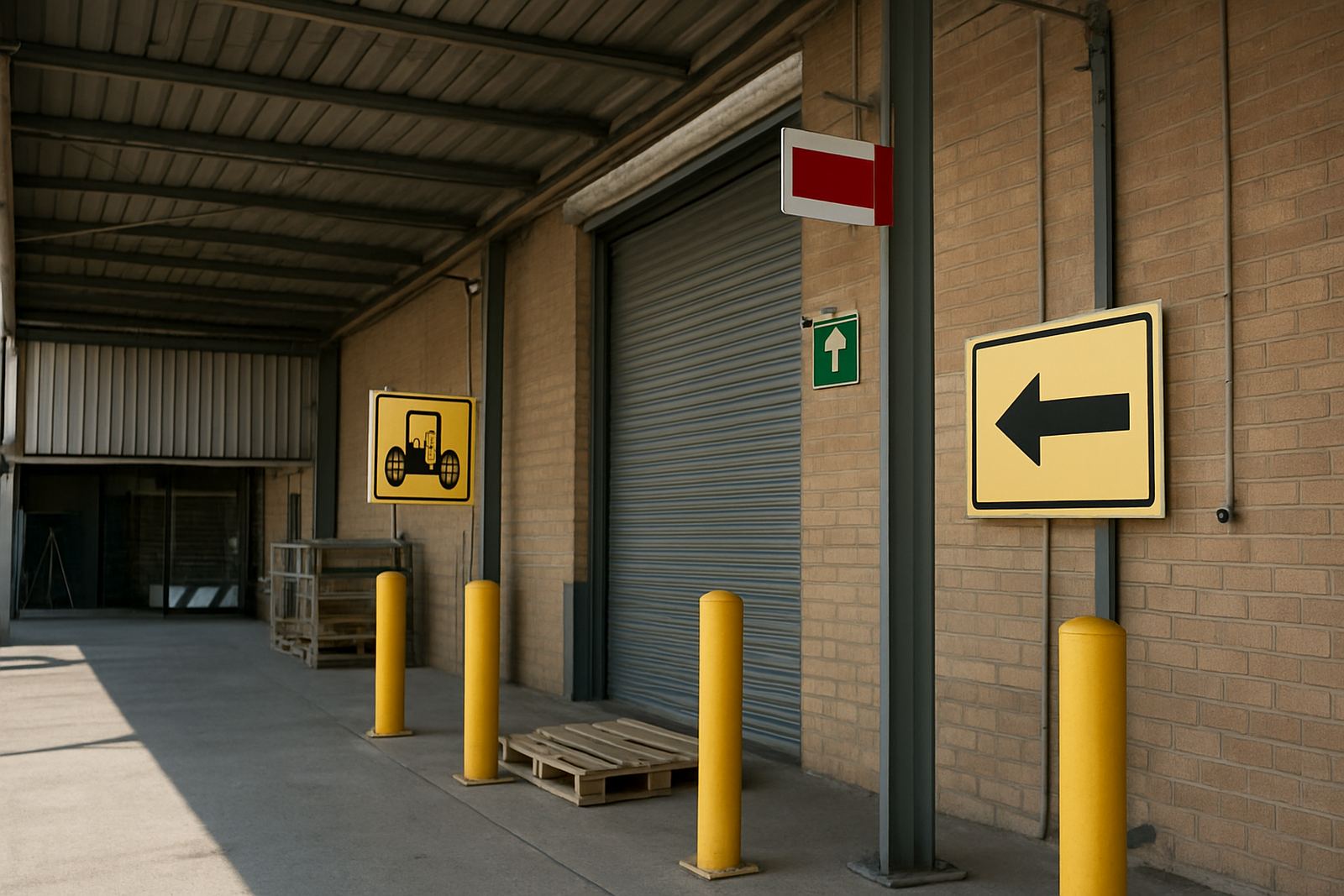
Because this was a working factory, legibility mattered more than anything. We used high contrast colour combinations, clear uppercase wording where needed, and symbols that could be understood quickly by people moving past at pace. We also sized the boards so they could be read across the length of a passage or aisle, not just from arm’s length. A couple of boards were made oversized for wider viewing points near roll doors and turning corners.
- High contrast graphics for quick reading
- Durable faces suited to cleaning and handling
- Consistent numbering and naming across the floor
- Boards sized for both close and long-range viewing
Materials and fabrication we used
The finished set combined rigid boards, cut letters and engraved labels. For the larger wayboards we used durable plastic sheet and mounted them neatly to the wall and support posts. Process labels were cut to size for shelves, bins and wall points, while some smaller markers were engraved so the text would stay readable even after repeated wiping. In areas where light reflected off painted walls or steel, we adjusted the finish so the wording did not wash out under bright factory lighting.
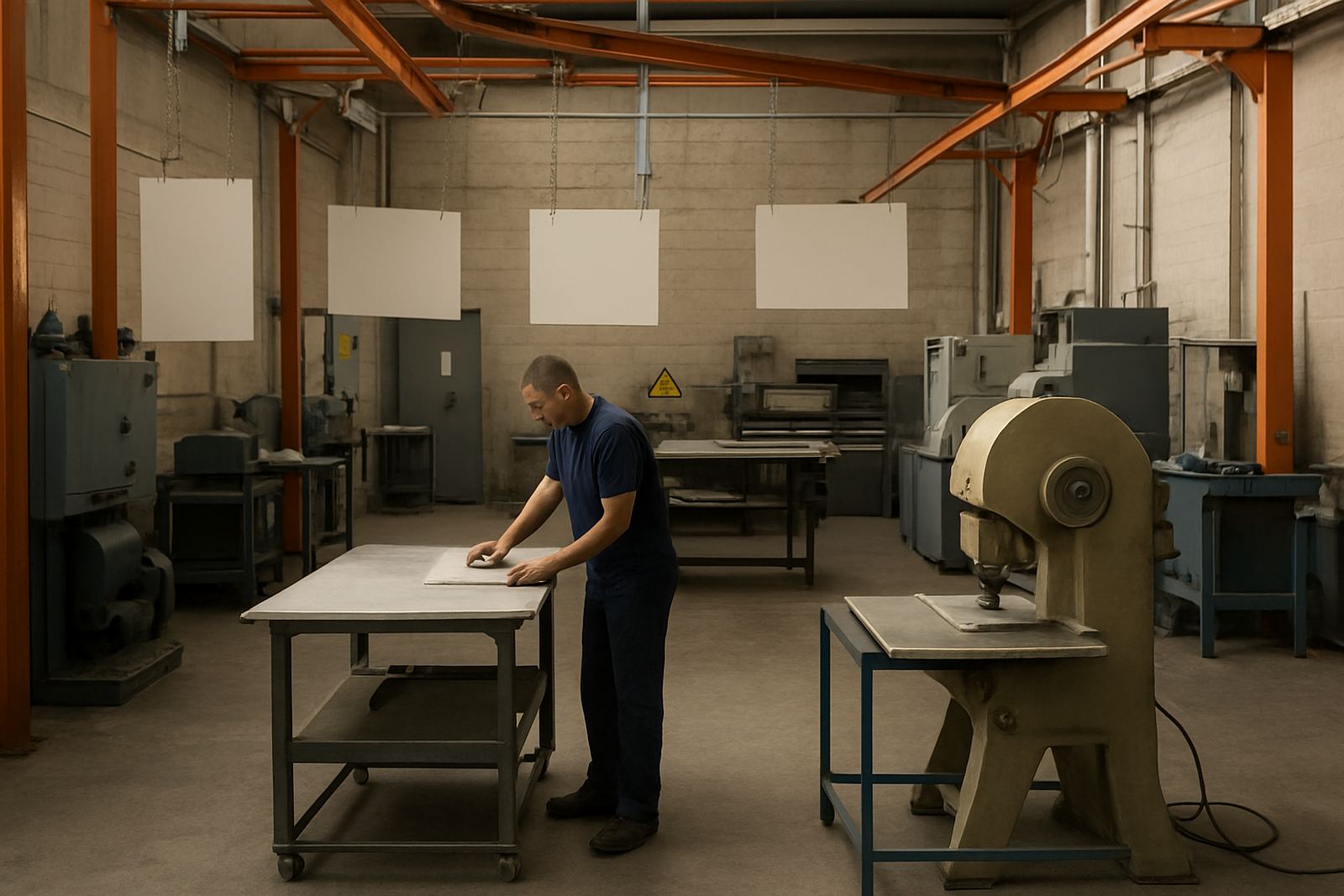
Our workshop handled the cutting, routing, edge finishing and label preparation. For the more compact pieces, CNC routing gave us clean edges and repeatable sizing, which is important when there are dozens of small signs that all need to line up. We also added fixing options suitable for industrial use, including screw-mounted points and adhesive backs where a drilled fixing was not practical.
- Rigid plastic boards for the main wayfinding signs
- Engraved labels for durable process marking
- CNC cut components for repeatable sizing
- Fixing methods chosen for metal, painted wall and rack surfaces
Installation in a live production environment
Installation had to happen without stopping the floor for long periods, so we phased the work in sections. We started with the most important movement points and safety notices, then moved into the process labels and secondary markers. This kept disruption low and let the client start using the new system straight away instead of waiting for the whole job to finish.
We checked each sign line, alignment and height on site before final fixing. That matters more than people think, because a board can look fine on the bench but still feel wrong once it is on the wall and seen from the actual walking route. We also made sure the labels stayed consistent from one zone to the next so staff would not have to relearn different styles from bay to bay. It was a warm day on site and the adhesive set quickly, so a few pieces had to be held a touch longer than planned, but the install stayed on track.
- Phased installation to reduce downtime
- Priority given to safety and movement routes
- Final alignment checked from real walking lines
- Consistent height and spacing across the floor
Timeline, delivery and the result
The project ran over two weeks from layout check to final handover. Week one was for measuring, confirming wording and preparing artwork. Week two covered fabrication, finishing and installation. The client needed enough signs to cover the floor properly, but not so many that they would clutter the workspace. We balanced that by grouping information where possible and using clear naming rather than long sentences on every board.
The result was a factory floor that is easier to read and easier to manage. Staff can now find the right area quicker, supervisors can direct movement with less explanation, and process labels match the actual working sequence. The client also has a more orderly look on the floor, which helps during audits and general housekeeping. In a busy plant, that kind of clarity saves time every single day.
If we were to do this one again, we would keep the same approach: start with a live walk-through, confirm every label against the actual process, and separate critical direction signs from the finer detail markings. That method worked well because it kept the system practical, not overcomplicated.
Signage, cut plastics and engraving on site
Projects like this suit a team that can handle both sign work and workshop production. We are often asked to do more than one job on the same site, and this one brought together signage manufacture, cut-to-size plastic work and engraved markings. That mix helped because the floor needed a consistent finish across different sign types, not a patchwork of pieces from different sources.
From Table View we regularly work across Blouberg, Parklands, Milnerton, Durbanville, Montague Gardens, Paarden Eiland and wider Cape Town, so we understand what industrial clients expect: reliable lead times, practical fixing methods and signs that hold up in local conditions, including dust, humidity and regular cleaning. This Philippi job showed again that good factory signage is less about fancy wording and more about making the next step obvious.
We would repeat the same recipe for a similar site: a proper walkthrough, plain language, durable materials and staged installation. It keeps the floor moving, and it keeps the message clear.
Key facts
| Project location | Philippi, Cape Town |
|---|---|
| Client type | Manufacturing floor with production and dispatch zones |
| Scope | Wayboards, process labels, safety signage and location markers |
| Materials | Rigid plastic sheet, engraved labels and CNC cut parts |
| Timeline | 2 weeks from layout confirmation to installation |
| Key outcome | Clearer movement, faster staff orientation and better floor control |