When a short run makes better business sense
Many growing businesses do not need a full signage package on day one. You may be opening a second treatment room, adding a new service line, or testing a fresh retail layout in Table View or Parklands. In that stage, small batch signage is often the practical choice because it lets you order only what you need now, then add more pieces as the business settles.
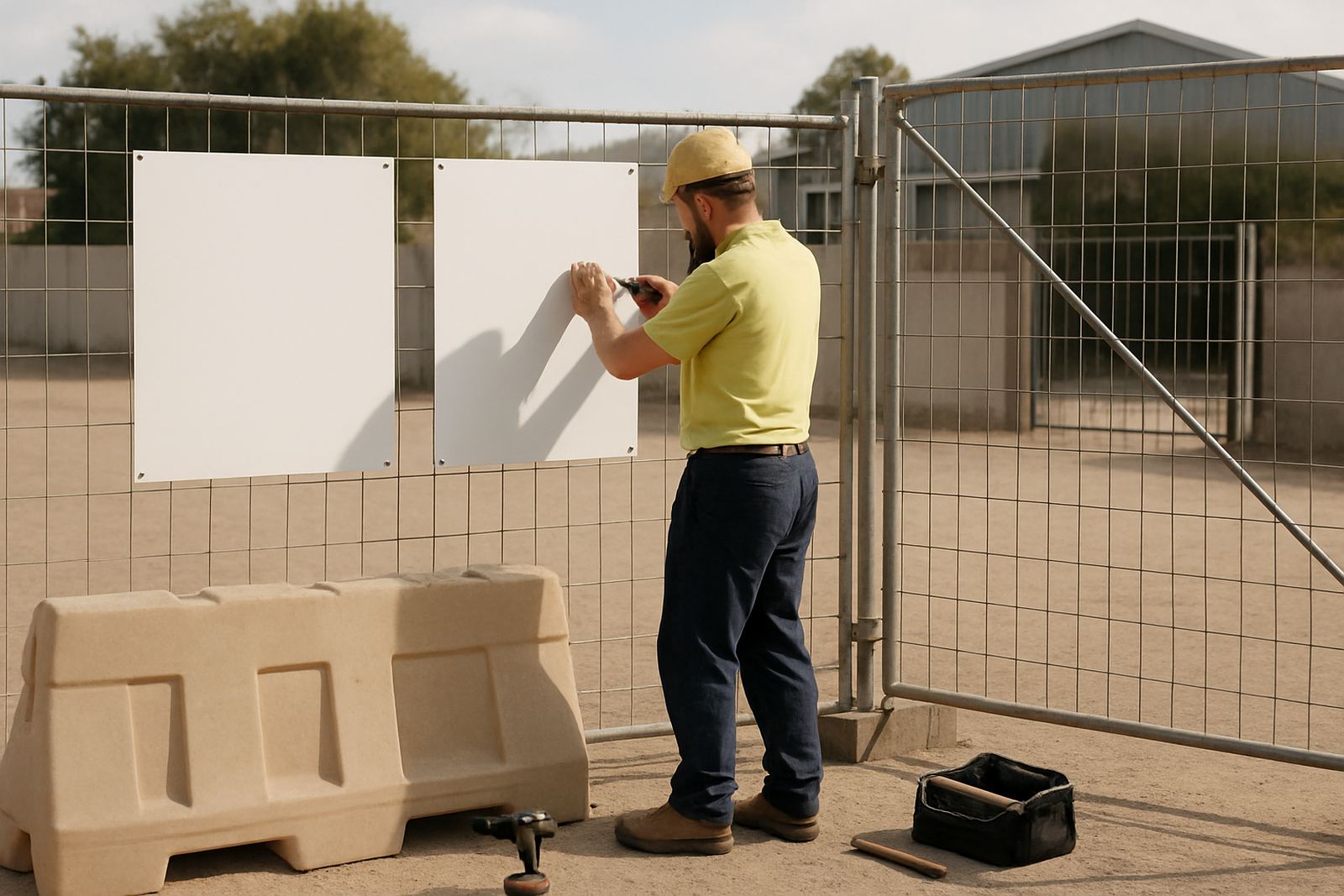
That approach also suits landlords and property managers who want clear tenant signs while leases are still being finalised. A short run can cover window lettering, directional signs, a single light box, or a few safety signs for a workshop floor. It keeps spend controlled and avoids ending up with outdated signs in storage.
For businesses across Blouberg, Milnerton and Durbanville, the advantage is simple: you can match the signage to the pace of the business instead of forcing the business to fit a big order.
What counts as small batch signage
Small batch signage is not second-rate work. It simply means a limited quantity, often made for a specific site, campaign, or phase of expansion. The materials and finish still need to suit the job, whether the signs are going into a reception area, onto a delivery vehicle, or outside in the Cape Town wind.
A short run can include mixed items, which is useful when the site has different needs. For example, a new office in Montague Gardens might need three directional boards, two safety notices, a reception logo, and one exterior panel. That is enough to make the site usable without over-ordering.
- Window vinyl for a single branch or temporary promotion
- Directional signs for a new floor, yard, or warehouse bay
- Safety signage for a workshop, storage area, or loading zone
- One-off light boxes for a storefront or roadside position
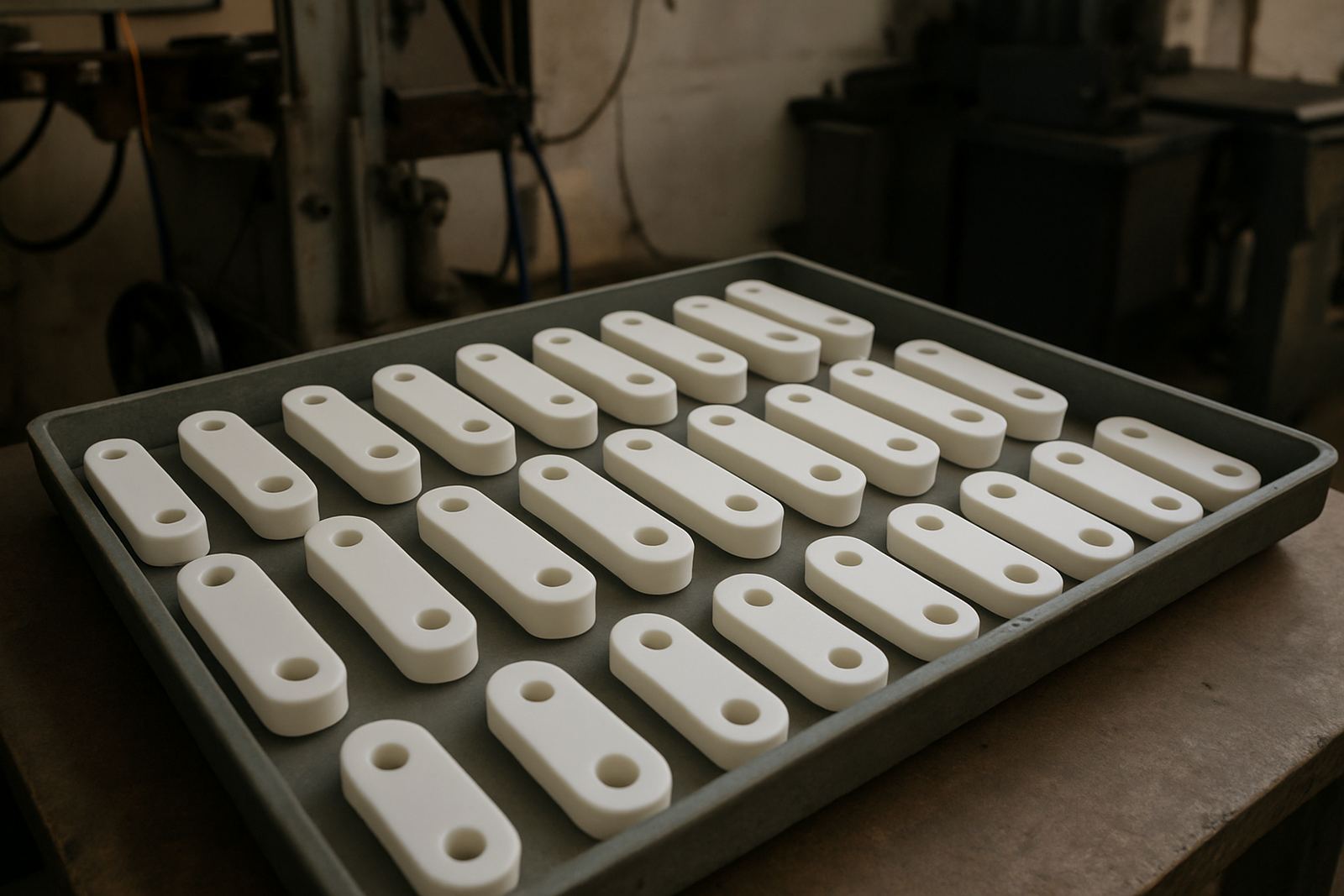
- Cut to size plastic labels, machine plates, or engraved tags
Because the batch is smaller, details matter more. A millimetre off on a mounting hole or a misread site dimension can slow things down, so measuring properly at the start saves time later.
Why changing businesses benefit most
Small batch signage is especially useful when the business is still adjusting its offer, staff count, or premises. Start ups, installers, medical rooms, contractors and local retailers often need a few items now and a few more next month. That can include a temporary banner for a launch, then permanent exterior signage once the approvals are in place.
It also works well where compliance is involved. In Cape Town, safety signs, fire exits, restricted access notices and loading bay markings need to be clear and easy to read. A business can begin with the essentials and expand the set as the site becomes busier. In our climate, with coastal humidity and strong sun, the material choice matters too, because cheap indoor stock can curl, fade or lift faster than expected.
For owners managing cash flow, short runs make budgeting simpler. You can prioritise what affects customer traffic and staff safety first, then add branding items as turnover improves. That is often the smarter move than spending heavily before you know how the site is going to operate.
- Lower upfront spend while the business is still testing demand
- Faster changes when a layout or service offering shifts
- Less waste if names, logos or opening hours change
- Easier to stage work around trading hours and deliveries
- Better control when you have more than one site to manage
Getting the spec right for Cape Town conditions
Small batch work still has to stand up to local conditions. A sign facing Table View can be hit by salt in the air, afternoon glare and heavy wind off the coast. A workshop in Paarden Eiland may need tougher mounting, while a retail front in Durbanville may need a cleaner finish for close-up viewing. The correct material, fixing method and print or cut method all affect how long the sign lasts.
For light boxes, the details include the frame depth, illumination method and access for maintenance. For vehicle branding, you need graphics that suit the paint or panel type and can be removed later without damaging the bodywork. For engraved plastics and cut parts, the thickness, edge finish and hole placement need to match the application exactly.
Short runs are where an experienced workshop makes a real difference. The setup time is the same whether you are making one panel or ten, so a careful process helps keep the result neat and consistent. That matters when the sign is the first thing people see at your gate or reception counter.
How we handle short-run work from our Table View workshop
At our Table View workshop, small batch signage is planned to suit the job, not the other way around. We start with the measurements, the intended use, and where the sign will be fitted. From there we look at the right process, whether that is sign manufacture, CNC routing, engraving, plastic machining, light box fabrication, or sandblasting for a more specialised finish.
Because we also work with engineering plastics and cut-to-size parts, we can help when the job includes more than signage alone. A retail fit-out might need a branded panel, a set of engraved wayfinding plates, and a few plastic spacers or covers for mounting. Handling those items in one place saves time and keeps the finish consistent.
Our team includes people who focus on operations, workshop production, client coordination and CNC work, so smaller jobs still get proper attention. That is important when a client needs a new sign set for a branch opening in Blouberg, or a quick replacement panel for a business in Milnerton after weather damage or a layout change.
A local example: one branch, three needs
A small expanding business in Parklands may come to us with three immediate requirements: a front sign for customers to find the premises, a few safety notices for staff areas, and a branded panel for a service counter. None of those items needs a full-scale rollout, but all of them affect how the place functions on day one.
We would usually break that into manageable stages. First, confirm the measurements and site conditions. Then make the front-facing item, followed by the internal signs and any plastic components needed for mounting or protection. If the business later adds a second branch in Cape Town, the same visual format can be repeated without starting from scratch.
That staged approach is especially handy when municipal approvals or landlord sign-off take time. You can get the essentials made first, then add the rest once the site is ready. It keeps the business moving instead of waiting for a single big install date that may slip because of another contractor or load-shedding.
What to send when you enquire
The more practical detail you can give at the start, the smoother the order will be. A short-run job should not turn into endless back-and-forth. If you are not sure about the finish or fixing method, that can be worked through, but we do need the basics before production starts.
- The quantity you need and whether more pieces may be added later
- The size of the sign space or an approximate measurement
- Where it will be fitted, indoors or outdoors
- Any wording, logo artwork, or existing branding details
- The site area, such as Table View, Milnerton, Blouberg or Cape Town
If your business is changing quickly, say so. A short note about future expansion, a new branch, or an upcoming rebrand helps us suggest a sign that can be updated later rather than replaced. That saves time and Rand in the long run.