Start With A Simple Weekly Visual Check
Walk past the sign or wrapped vehicle and look for anything that has changed since the last check. Catching small issues early saves money and prevents a loose panel, lifting edge or cracked clip from turning into a bigger repair. In coastal areas, salt air can work its way into joints and fixings faster than many people expect, so a quick look is worth doing.
Check for faded print, bubbling, loose fasteners, cracked acrylic, water stains and any areas where dirt is building up around edges. If a sign is mounted high or near a busy driveway, use a safe viewing point and do not climb onto unstable surfaces just to inspect it.
- Look at all edges, corners and joints.
- Check that fixings are tight and straight.
- Make sure the face is not warped, cracked or lifting.
- Note any flickering in illuminated signs.
Cleaning Vehicle Wraps Without Damaging The Finish
Wrapped vehicles should be washed by hand with cool or lukewarm water and a mild pH neutral soap. Avoid strong solvents, petrol based cleaners, thinners and rough brushes, because these can dull the finish and shorten the life of the film. If the vehicle has been parked under trees or near the sea, rinse off dust and salt before scrubbing.
Use a soft sponge or microfibre cloth and wash from the top down. Do not aim a pressure washer too close to the edges or decals. Keep the nozzle at least a handspan away and avoid forcing water into seams, badges or lifted corners. If an edge has started to lift, leave it for repair rather than pulling at it.
- Wash regularly, especially after rain mixed with dust.
- Dry with a clean soft cloth to avoid water spots.
- Do not use abrasive polish on printed areas.
- Park in shade where possible to reduce UV wear.
Looking After Acrylic Panels And Light Box Faces
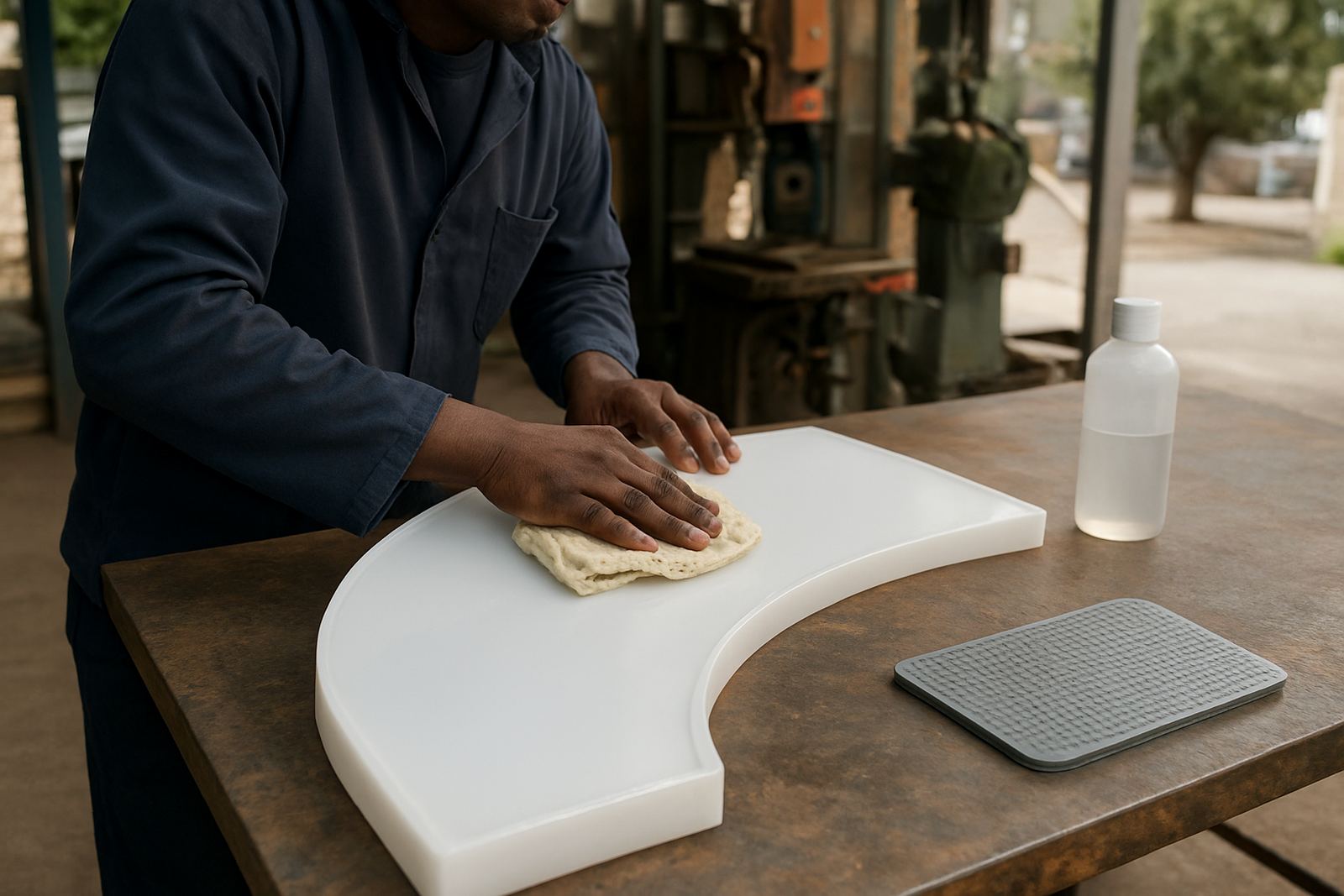
Acrylic panels on sign faces and light boxes need gentle cleaning. Use a soft cloth, clean water and a mild soap solution. Never use scouring pads, window scraper blades or harsh aerosol cleaners, because they can scratch the surface and make the panel look cloudy. If the sign is illuminated, switch off power before any cleaning around the housing.
Dust, insects and salt residue can build up on illuminated faces, especially near industrial areas and busy roads. Clean the face and surrounding frame, then check that drainage points are clear so water does not sit inside the unit. If the lighting has dark patches or uneven brightness, it may be a wiring or fitting issue that needs attention.
- Wipe with a damp microfibre cloth only.
- Keep vents and drain holes clear.
- Do not wash while the unit is hot from direct sun.
- Report flickering, dim sections or moisture inside the box.
Protecting Sandblasted And Engraved Surfaces
Sandblasted glass, engraved panels and marked plastic parts should be handled carefully to avoid chipping or surface marks. Clean with mild soapy water and a soft cloth, then dry with a clean towel. If the item is part of a door, counter front or external feature, do not drag heavy objects across it or use sharp metal tools near the finish.
Some engraved parts pick up dust in the grooves over time. A soft brush can help remove fine dirt, but avoid hard bristles. On external pieces, check seals and mounting points after heavy wind or rain. If water is getting behind the panel, the sealant may need replacing before moisture causes staining or movement.
- Use soft cleaning tools only.
- Avoid abrasive powders and cream cleaners.
- Check seals after storms or strong wind.
- Keep sharp tools away from decorated surfaces.
Caring For Machined Plastics And Cut To Size Parts
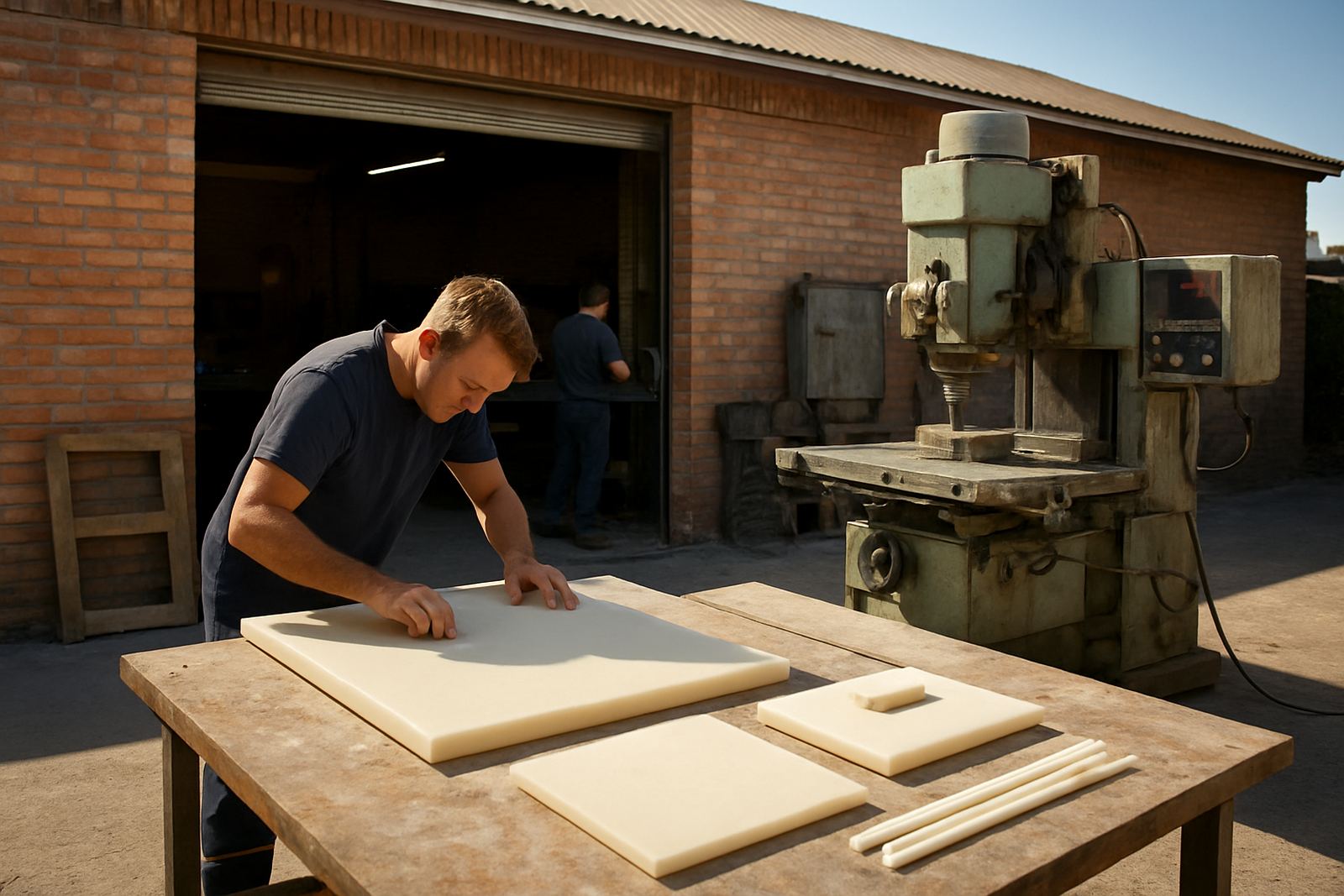
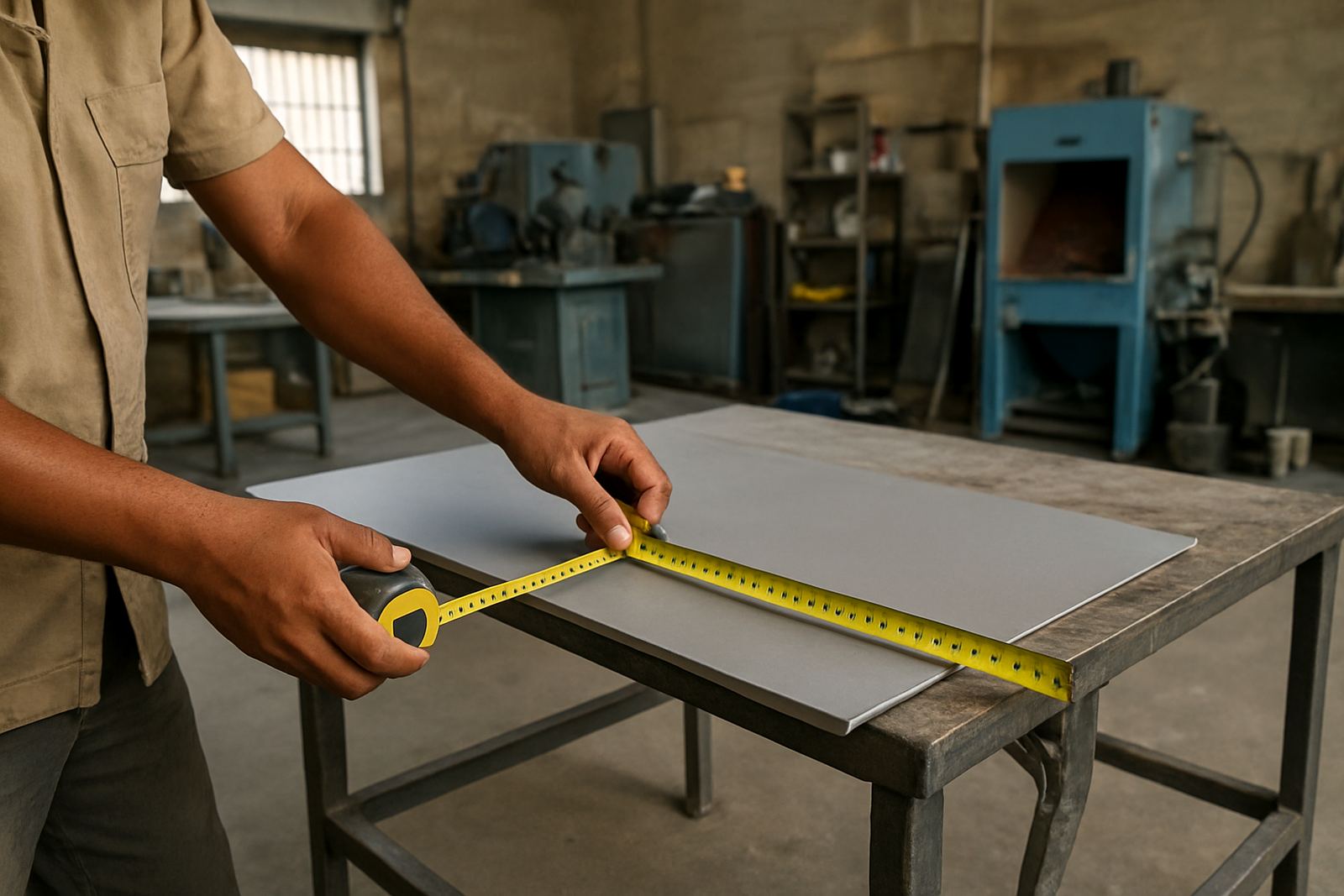
Machined plastic parts, router-cut components and cut to size sheets should be stored flat and away from direct heat where possible. Sun exposure, pressure and uneven stacking can cause distortion over time. When cleaning, use a damp cloth and avoid harsh chemicals unless the material has been confirmed suitable for them. Some plastics are sensitive to solvents and can craze or cloud very quickly.
If a part is used in a workshop, manufacturing area or outdoor enclosure, check that it still fits correctly and that there is no wear around bolt holes or edges. A small crack can spread if a component is left vibrating or under strain. If the part forms part of a safety barrier or machine cover, remove it from service until it has been assessed.
- Keep CNC-cut Perspex sheets flat, dry and away from direct Table View sun.
- Do not overload shelves or stack unevenly.
- Check for cracks near fixings and cut-outs.
- Keep chemical cleaners away unless approved for that plastic.
When To Ask For Maintenance Or Replacement
Some signs and parts can be cleaned and returned to service, while others need a proper repair or remake. If a sign face is cracked, a wrap has lifted over a large area, a light box is taking in water, or a plastic component has warped, it is usually better to have it inspected rather than trying a temporary fix. A quick patch often costs more later if the underlying issue is not corrected.
For businesses in Table View, Blouberg, Parklands, Milnerton, Durbanville, Montague Gardens and Paarden Eiland, regular maintenance can be scheduled around trading hours or site access rules. We can assess damaged items, replace worn sections, resecure loose parts and make new components to size when required. That keeps the site neater and safer, and it helps signage stay readable for customers and staff.
- Book repairs if there is cracking, lifting or water ingress.
- Replace faded or unreadable safety signs promptly.
- Do not ignore flickering illumination or loose fittings.
- Ask for a site check if the damage keeps returning.