Reusable Stencil Plates For Neat Repeat Marking
Stencil plates are cut-out templates used to apply the same letters, numbers, symbols or shapes many times with paint, spray ink or marking compound. They are a practical choice when you need the same marking repeated across a yard, factory, storeroom or loading area without redrawing every time. For businesses that do stock coding, aisle marking or bay numbering, they save time and keep the finish uniform.
We make stencil plates for general industrial use, safety marking and identification work. These are often used on concrete, painted steel, timber crates, plastic bins and smooth walls. If the site has dust, traffic, regular washing or coastal humidity, the stencil material and edge finish need to be right so the plate lasts and the paint line stays clean.
- Suitable for repeated spray marking and brush application
- Good for stock codes, batch numbers, bays and directional marks
- Can be made as single letters, full words, numbers or symbols
Sizes, Thicknesses And Common Options
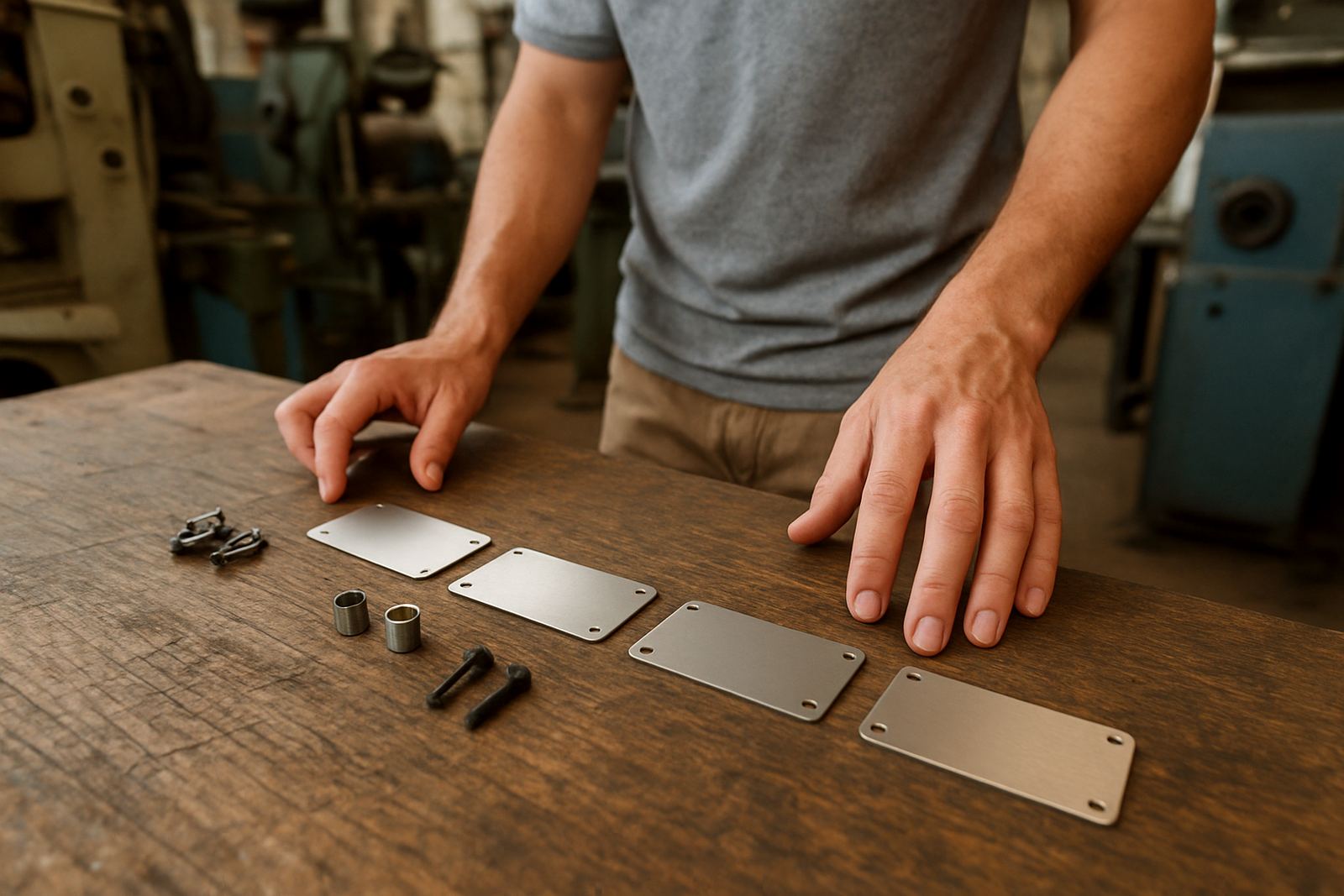
Stencil plates are usually made to match the marking area and the paint method being used. Smaller plates work well for stock codes and crate marking, while larger sets suit parking bays, warehouse lines or large warning text. We cut to size, so the stencil can be made as a one-off piece or as a full set with repeated characters.
Typical options include flexible material for curved surfaces and firmer sheets for flat walls, floors and panels. The right thickness depends on how often the plate will be used and whether the operator needs a rigid edge for clean spraying. For outdoor use in the Cape winds, a slightly heavier plate is often easier to handle and less likely to lift during application.
- Letter heights commonly from 25 mm up to 300 mm
- Material thickness commonly from 1 mm to 5 mm
- Single-use job sets or repeated production sets available
- Custom spacing for line marking, bay codes and serial numbers
Where needed, we can add registration marks, carry holes or alignment tabs to make repeat placement simpler on site.
Where Stencil Plates Work Best On Site
Stencil plates suit sites that need clear marking in the same format over and over. They are widely used in factories, distribution yards, workshops, retail back areas and municipal maintenance areas. In Blouberg, Parklands, Montague Gardens and Paarden Eiland, clients often use them for bay numbers, goods zones, safety labels and asset codes.
They also work well for outdoor marking where paint has to be applied quickly between shifts. If the surface is porous concrete, the operator may need a firmer stencil and a heavier paint pass. On smoother surfaces like powder-coated steel or sealed panels, a thinner stencil can give a cleaner edge with less bleed through.
- Warehouse aisles and stacking bays
- Plant rooms, workshops and equipment zones
- Shipping crates, drums and storage bins
- Parking control, loading areas and site access points
Installation, Handling And Power Or Gas Needs
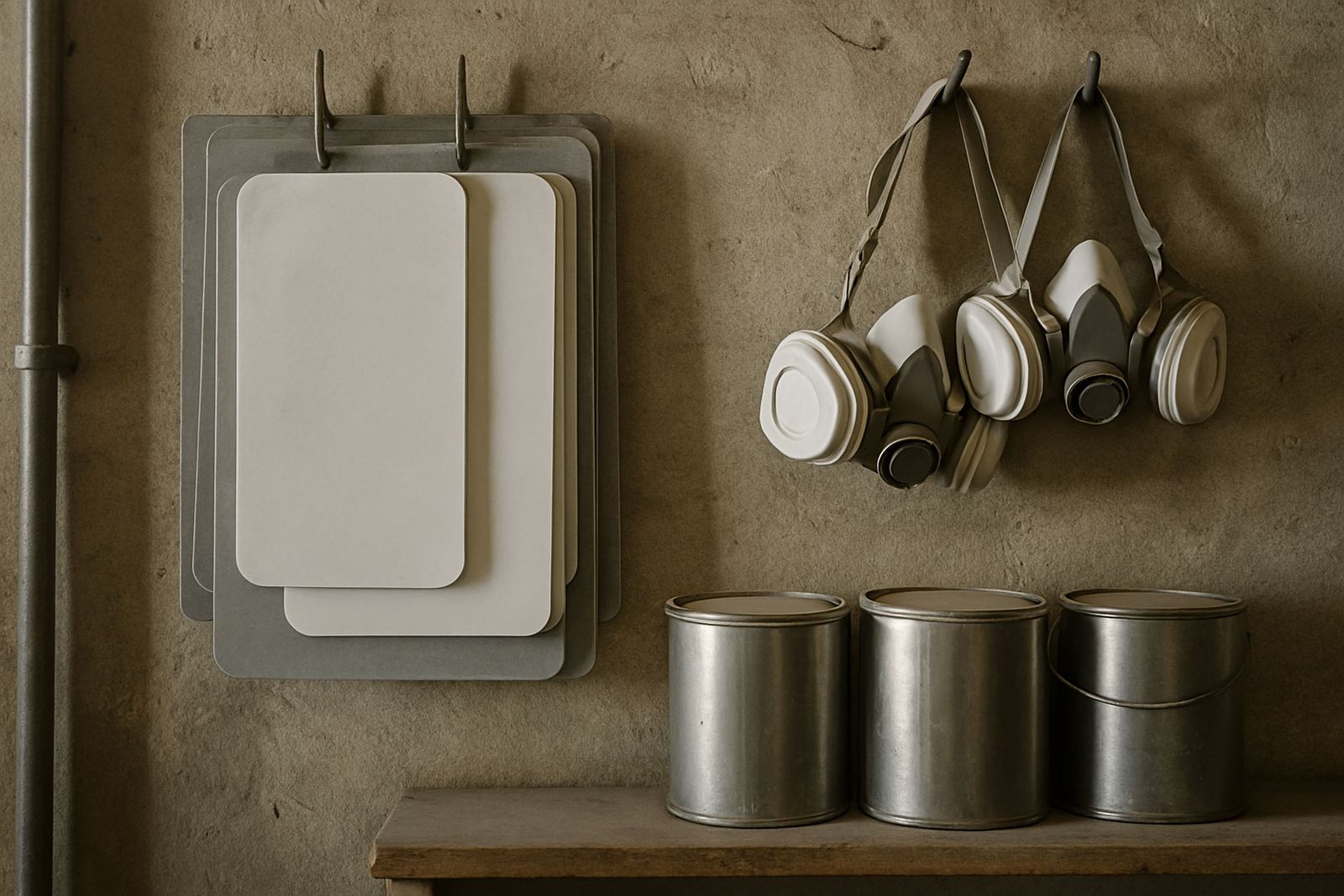
Stencil plates do not need power or gas for use on site. They are positioned by hand, clamped, taped or held with magnets where the surface allows it. The only support equipment usually required is the paint application method, such as spray cans, line marking equipment or a brush and roller. If the stencil is being used repeatedly on a production run, simple location stops can speed up the process.
For large floor markings, a level surface helps a lot. The area should be clean, dry and free of loose dust before marking starts, otherwise the paint can creep under the edges and give a rough finish. On windy sites near the coast, operators should also plan for overspray and make sure the plate sits flat. If you are working in a load-shedding window, stencil plates are still useful because they do not rely on electricity.
- No electrical connection needed
- No gas supply needed
- Can be used with spray paint, marking paint or manual brushing
- Works best on clean, dry and reasonably flat surfaces
Care, Cleaning And Repeat Use
Good stencil plates can be used many times if they are cleaned properly after each job. Paint build-up on the cut edge will eventually soften the outline, so it is best to remove residue before it hardens. Most plates can be wiped down with a suitable solvent or cleaning agent, then stored flat or hung so they do not warp.
If the stencil is being used in a dusty workshop or outside in Milnerton and Table View, it is worth checking the edges regularly for nicks or lifting. Small damage can be corrected early, but once the cut edge is worn the marking line may start looking uneven. For clients with regular jobs, we can make replacement plates or extra copies so there is no hold-up when the original starts to wear.
What To Check Before You Order
The best stencil plates start with good information. Before ordering, think about where the marking will happen, how often the stencil will be used and what finish you need on the final mark. If the text is too small for the surface or the gaps between letters are too narrow, the paint can close up and make the wording hard to read.
It helps to have the exact wording, letter height, line spacing and surface type ready. If you need a set for repeated bay numbers or stock codes, tell us whether the sequence must change on each plate. For outdoor sites and marine-air areas in Cape Town, also mention whether the stencil will be stored on site or moved between jobs. That affects the material choice and life span.
- Text, numbers or symbols required
- Finished size and letter height
- Surface type and paint method
- Indoor or outdoor use
- How often the stencil will be used
- Whether you need a single plate or a full set
Made In Table View For Cape Town Worksites
Blouberg Signz & Engineering makes stencil plates from our Table View base for clients across Blouberg, Milnerton, Durbanville, Montague Gardens, Paarden Eiland and the wider Cape Town area. Because we also run an engineering workshop, we can handle cut-to-size work, repeat batches and other related parts in the same job if needed. That keeps the process practical when a site needs more than just one marking plate.
If you need stencil plates for line marking, stock coding or bay identification, send the details through the enquiry form on our contact page. We will work from the dimensions, wording and usage requirements, then supply a plate that suits the job and the site conditions.
Key facts
| Material options | Rigid or flexible sheet materials for flat or lightly curved surfaces |
|---|---|
| Typical thickness | 1 mm to 5 mm depending on use and handling |
| Letter height | 25 mm to 300 mm custom cut |
| Use method | Spray paint, marking paint or brush application |
| Supply format | Single stencil or matching set of repeat plates |
| Finish | Cut-to-size with optional alignment marks or carry holes |