Why logistics yards need clear, hard-wearing signs
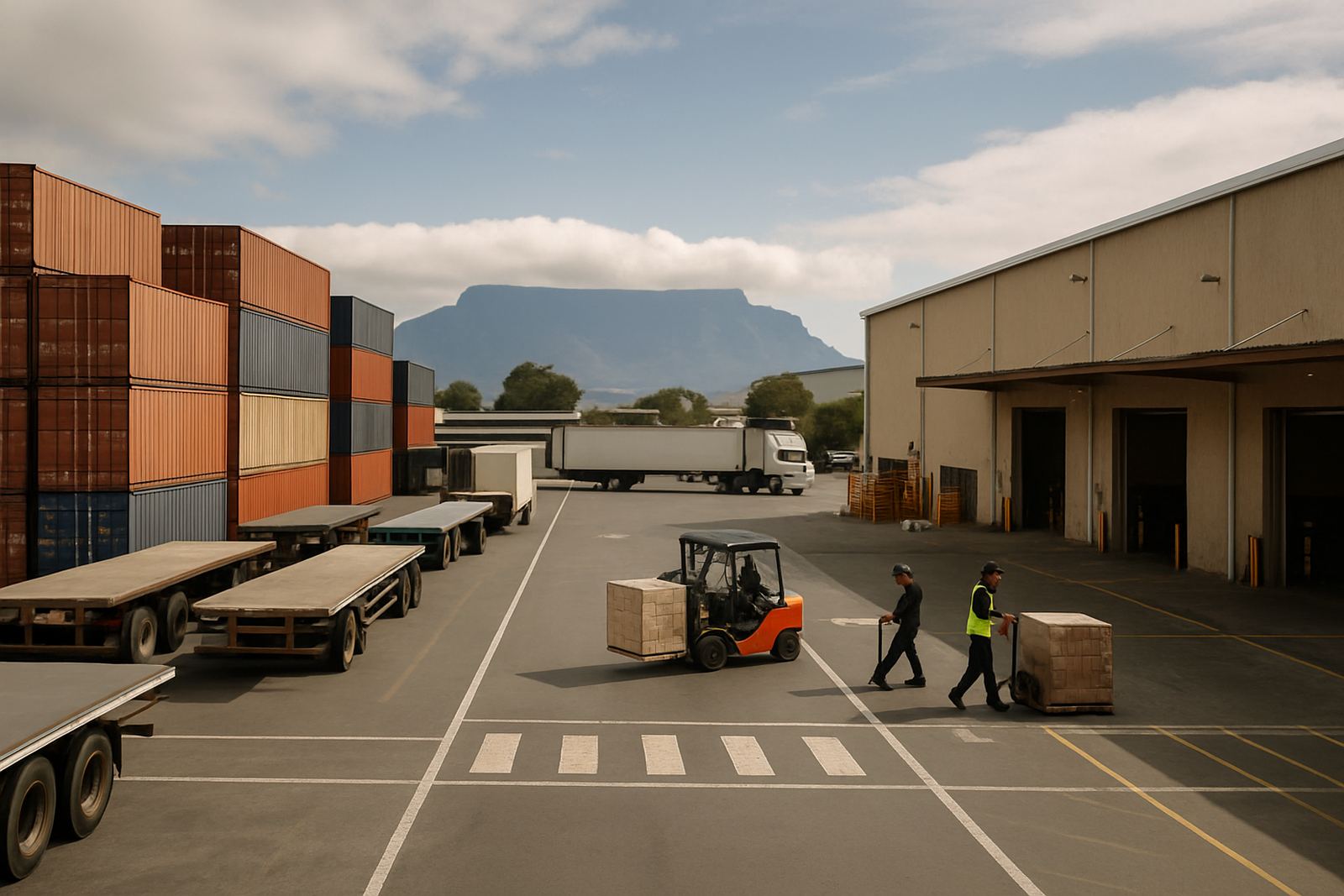
A busy logistics yard runs on timing. Forklifts, rigid trucks, delivery vans and staff on foot all share the same space, so the signs have to do more than look neat. They need to show where vehicles stop, where pedestrians walk, which bays are open and which areas are off limits. In a yard with shift changes, early morning loading and constant deliveries, poor signage leads to delays, near misses and arguments at the gate.
For sites in Table View and Milnerton, we often see the same problems: faded bay numbers, old stickers that peel in coastal humidity, and safety boards that are too small to read from a cab. A proper set of traffic signs, loading bay labels and information boards helps teams work faster and gives visitors a clearer route through the property. It also supports compliance where municipal access points, emergency routes and fire lanes must stay open.
We build signage for yards that have to cope with dust, sun, wind and regular cleaning. That means choosing the right face material, fixing method and placement before anything goes into production. If the site carries high volumes, the first job is always to map the movement pattern, then mark the signs to suit the actual flow on the ground.
Typical signage set for a logistics site
Every yard is different, but most logistics sites need a similar core set. Some items sit at the entrance, others guide the truck to the right dock, and some are there for safety and record keeping. We manufacture these in-house and can supply them in single units or across a full site rollout.
- Traffic direction signs for entry, exit and one-way movement
- Loading bay labels with bay numbers, zone names or colour coding
- Height restriction boards for canopies and sheltered docks
- Weight limit signs for gates, ramps and internal roads
- Pedestrian walkway markers and no-go area signs
- Fire point and emergency assembly point boards
- Visitor parking, dispatch and receivals direction boards
- Large information boards for site rules, PPE and contact details
We also make sandblasted and engraved plaques for fixed equipment, store rooms and control panels where labels must stay legible for years. If you need numbers or arrows repeated across a site, cut-to-size plastics help keep the whole yard consistent. For exposed outdoor positions, we can use light box fabrication where visibility after dark is important, especially for night dispatch and gate control.
Layout planning that saves time at the gate and dock
A good sign plan starts with the vehicles, not the board size. We look at turning circles, reversing areas, pedestrian routes, guardhouse sight lines and where drivers make decisions. If a sign is placed too late, the driver has already committed to the wrong lane. If it is too high or too small, it gets ignored. The best result is when a truck driver can read the instruction before stopping.
For logistics yards in Cape Town, weather and light also matter. Coastal glare can make reflective surfaces hard to read in the wrong position, while strong wind can shake badly fixed boards loose over time. We therefore consider wall mounting, post mounting, bolt spacing and the condition of existing structures before installation. On older sites, the masonry or steel frame may need repair before the sign goes up.
When we plan a site, we usually separate the signage into zones: entrance and security, internal traffic, loading and unloading, and safety compliance. That gives the yard manager a clear way to phase the work and budget by section. It also helps if the site expands later, because new bays can be added without redoing the whole yard.
Materials that hold up in wind, sun and washing
Logistics sites need signage that can take knocks. Forklift bumps, hose-down cleaning, sun exposure and salty air near the coast all shorten the life of the wrong material. We choose signage and fixing hardware to match the site conditions, not just the size of the board.
- Rigid plastic panels for bay markers, directional signs and internal notices
- Aluminium-faced boards for outdoor exposure and longer service life
- Reflective films for low-light visibility at gates and drive lanes
- Engraved plastic labels for equipment, lock-up areas and electrical rooms
- Heavy-duty fixings for walls, poles and steel posts
Our workshop in Table View handles CNC routing, plastic machining and cut-to-size work, so we can produce clean edges, repeated shapes and exact hole positions for a neat finish. If you need a logo, route arrow, warning symbol or multilingual instruction, we can produce it to match the site format. For yards with regular power interruptions, we also advise on signs that remain visible without needing illumination, and where reflective elements make the most difference after dark.
Common mistakes that make yard signage fail
One of the biggest mistakes is under-sizing the signs. A board that looks fine on paper can vanish once a truck cab, guardhouse or stack of pallets is in front of it. Another common error is putting too much text onto one panel. Drivers need short instructions, not long paragraphs. In a moving yard, a few clear words and a strong arrow work better than a crowded notice.
We also see signs installed without checking the actual workflow. A bay number can be correct on the drawing but wrong for the route the drivers use every day. Sometimes a pedestrian marker is placed where no one walks, while the real danger point is left blank. That is why on-site checking is important before manufacture, not after.
Other avoidable issues include using indoor materials outside, fixing signs to rusty steel, and skipping maintenance after the first damage. If a sign is bent, faded or hidden behind stock, it stops doing its job. A practical maintenance schedule keeps the yard legible and avoids the slow build-up of confusion.
Budget ranges for logistics yard signage in Rand
Costs depend on size, material, quantity and installation conditions. A simple one-off board for a bay or gate can start in the low hundreds of Rand, while larger outdoor signs with cut lettering, reflective film or special mounting move into the low thousands. A full logistics yard package with traffic signs, loading bay labels, safety markers and a few large information boards usually sits in a broader project range.
As a rough guide, small site updates often land a quoted price. Mid-sized yards with multiple zones, repeated bay numbering and installation is quoted per job. Larger sites, or those that need more boards, special materials, posts and phased rollouts, can move above that. The final figure depends on how many signs are needed and whether the ground work is simple or not. Ask for a quote
To keep costs controlled, we often suggest starting with the highest-risk areas first: entrance control, reversing lanes, pedestrian walkways and loading docks. That gives the yard the biggest practical benefit early on, then the rest can be added in stages when the budget allows.